


Abu Samra Border: Saudi Arabia to Doha Guide
Posted on:
July 24, 2026
If you're planning a road trip from the Kingdom into Qatar, the Abu Samra border is the only route in. It's the single land crossing connecting Saudi Arabia to Qatar, and for travelers heading to Doha, it's often a far more flexible and scenic option than flying, especially if you're bringing your own vehicle, traveling as a family, or combining Qatar with a wider Gulf road trip.
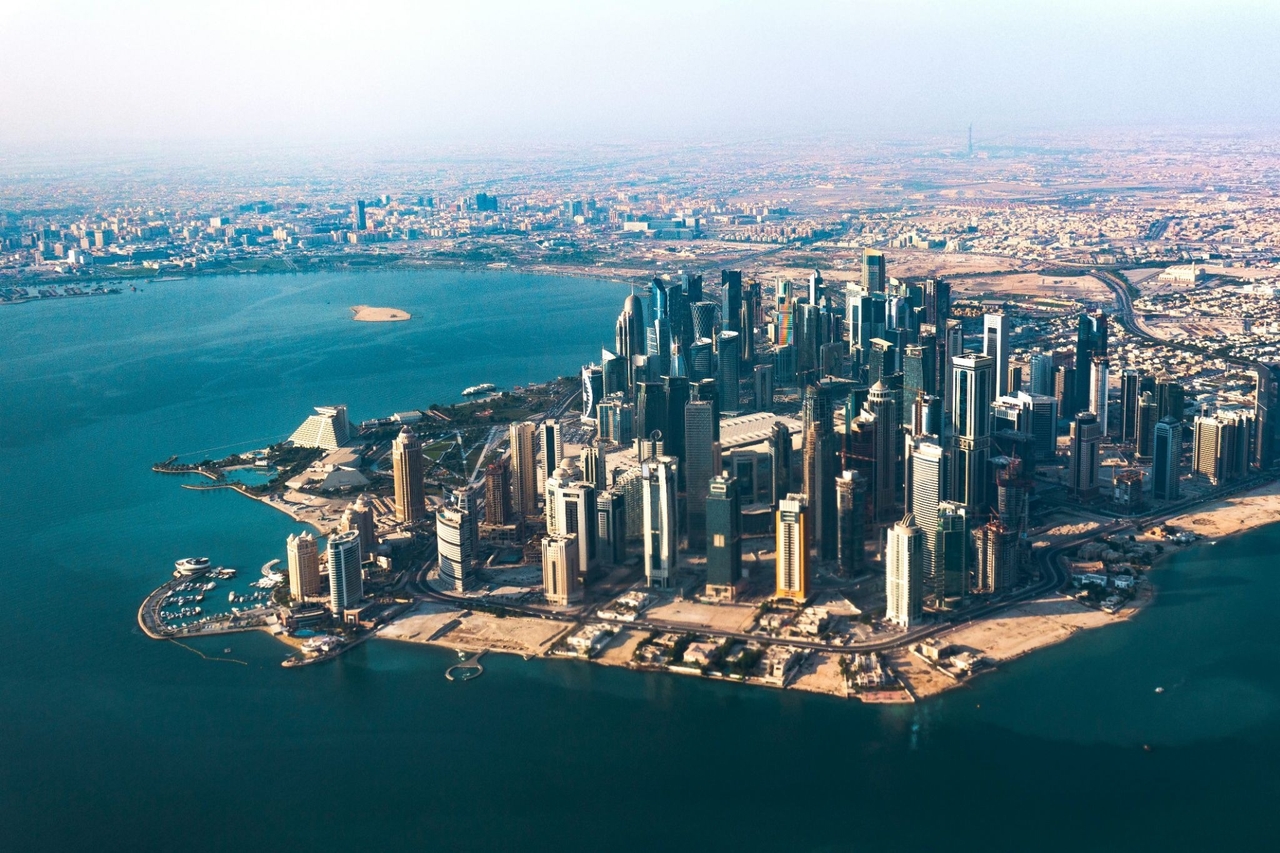
Every year, thousands of tourists, families, business travelers, and GCC residents cross the Abu Samra border crossing to explore Qatar or continue their journey across the Gulf. To ensure a smooth experience, it's important to understand the latest entry requirements, vehicle regulations, visa rules, insurance requirements, and pre-registration process before you travel.
This guide walks you through everything you need to know about driving from Saudi Arabia to Qatar via the Abu Samra border crossing, from documents and pre-registration to timing, what to expect at the checkpoint, and where to go once you arrive in Qatar, Doha.
Where Is the Abu Samra Border?
The Abu Samra border sits at the southern tip of Qatar, roughly 80–100 km from Doha, along Salwa Road. On the Saudi side, the corresponding checkpoint is known as the Salwa border, so you'll see both names used depending on which side of the crossing you're researching. Abu Samra is on the Qatari side; Salwa is on the Saudi side. Together, they form the only land connection between the two countries.
Because it's the sole overland gateway, this crossing also serves travelers coming from the UAE, Bahrain, Kuwait, and Oman who are routing through Saudi Arabia to reach Qatar by road, so if you're coordinating a wider GCC itinerary, this is the checkpoint everyone eventually passes through.
Because the Abu Samra and Salwa together form Qatar’s only land border with Saudi Arabia, the crossing works in both directions; travelers frequently ask whether it’s possible to cross from Qatar to Saudi Arabia as well as the reverse, and the same checkpoint, documents, and pre-registration process apply either way.
Why Travelers Choose the Abu Samra Border
Many visitors prefer driving through Abu Samra because it offers several advantages:
Greater flexibility than air travel
Ideal for family road trips and group travel
Convenient for travelers bringing their own vehicle
Easy access for GCC residents and citizens
A practical option for multi-country Gulf road trips
If you're planning to explore Qatar at your own pace, driving through the Abu Samra border can be a convenient and enjoyable way to begin your journey. For a full breakdown of arrival options into Doha, including flights and other routes, see our Getting to Doha guide.
Documents and Requirements to Cross the Abu Samra Border
Before you set off, make sure you have the following ready. The Abu Samra border requirements are straightforward, but missing even one document can mean a long wait or being turned back at the checkpoint.
The exact requirements vary depending on whether you're a GCC citizen, GCC resident, or international visitor. However, every traveler should confirm the latest entry requirements before departure, as regulations may change.
For Saudi and GCC nationals/residents:
A valid passport (with at least six months' validity remaining); a GCC national ID card is also accepted at the checkpoint in place of a passport for citizens, but the document must be undamaged and clearly legible, as worn or water-damaged IDs are sometimes rejected
A valid driving licence; GCC-issued licences (Saudi, Qatari, Emirati, Bahraini, Kuwaiti, or Omani) are accepted for driving in Qatar without needing an International Driving Permit; if you're a GCC resident but hold a non-GCC licence, check with your insurer beforehand
Vehicle registration documents (Istimara) for the car you're driving; the name on the Istimara should match the driver's ID; if you're crossing in a borrowed or company-owned vehicle, carry a signed authorization letter from the registered owner to avoid delays
Valid vehicle insurance that covers cross-border travel into Qatar; a standard Saudi-only policy is not sufficient; confirm with your insurer that coverage explicitly extends beyond Saudi borders, as this is one of the most common reasons vehicles get held up at Salwa
A valid Qatar entry visa or visa-free eligibility, depending on nationality; GCC citizens cross visa-free, but GCC residents who are not citizens of a GCC country should verify their own visa requirement in advance, since eligibility depends on their actual nationality, not their country of residence
For non-GCC nationals travelling from Saudi Arabia:
A valid passport; six months' validity minimum, and it's worth having at least one blank visa page free, as some border counters will flag passports that are nearly full even if technically valid
A confirmed Qatar visa or Hayya permit (Qatar's official entry permit system); apply through the Hayya Portal well before travel, since processing can take a few days during busy periods; carry a printed copy in addition to the digital version
An International Driving Permit if you're not a GCC national; this must be paired with your original home-country licence; an IDP alone, without the underlying licence, is not accepted
Vehicle insurance valid for entry into Qatar; since February 2026, foreign-registered vehicles can arrange this in advance through Qatar's online MSAR insurance platform, which offers both short-term (1–2 weeks) and long-term (1 month or more) options and also grants access to a dedicated fast lane at the border; on-site, same-day insurance purchase is no longer available, so this step can no longer be left until you arrive at the checkpoint
On qualifying for a visa specifically: many Saudi travelers ask about Qatar visa for Saudi citizens requirements. As GCC nationals, Saudi citizens do not need a visa to enter Qatar and can cross using just their national ID or passport. If you're travelling with a companion who holds a different nationality, check their specific visa requirements separately, since rules vary widely by passport. Confirm the latest entry and visa requirements directly through Qatar's official Hayya platform: hayya.qa
Step-by-Step: Driving from Saudi Arabia to Qatar
Here's what the journey actually looks like once you're on the road.
1. Plan Your Route to Salwa
Most travelers driving from Saudi Arabia to Qatar approach via Al-Ahsa or Dammam, joining the highway that leads directly to the Salwa checkpoint. If you're coming from Riyadh, expect a considerably longer drive than from the Eastern Province; plan for fuel stops and a rest break, since much of the route runs through open desert with limited services. Google Maps and Waze both track this route reliably, but it's worth downloading offline maps as a backup, since signal can drop out for stretches in the more remote sections. If you're travelling with others, agree on a rally point at the Salwa side beforehand in case vehicles get separated during processing; it's common for a group to be split across different queues.
2. Clear Saudi Exit Procedures at Salwa
At the Saudi side, you'll pass through immigration and customs. Officers will check your passport, vehicle documents, and, depending on your nationality, may require biometric verification (fingerprints, photo, and eye scan). Men and women, as well as GCC citizens and residents, are typically processed through separate queues, so allow extra time here. First-time crossers should expect this stage to take longer than subsequent trips, since biometric enrollment is usually only required once. Keep your phone charged and accessible, as some counters may ask you to show a digital copy of your visa or Hayya confirmation alongside your physical documents.
3. Cross Into Qatar at Abu Samra
Once cleared on the Saudi side, you'll drive a short distance to the Qatari immigration and customs checkpoint at Abu Samra. This is where your Qatar visa, Hayya permit, or GCC ID is verified, and your vehicle is cleared for entry. If you pre-registered through Metrash or the Hayya Portal, look for signage directing pre-registered vehicles to a separate lane; this is where the time savings from pre-registration actually materialize, so it's worth double-checking you're not defaulting into the general queue by mistake.
4. Continue to Doha via Salwa Road
From the Abu Samra checkpoint, it's a direct drive north along Salwa Road into central Doha, roughly 80–100 km, depending on your exact destination in the city. The road is a well-lit, multi-lane highway for virtually its entire length, and fuel stations become more frequent the closer you get to the city, so it's a good stretch to top up before navigating central Doha traffic.
For the full Saudi Arabia to Doha by road experience, road conditions are generally excellent on both sides, with well-maintained highways and clear signage. The main variable isn't the driving itself; it's the time you spend at the checkpoints, which is exactly why pre-registration (covered next) makes such a difference.

Once you're in Doha, see our Getting Around Doha guide for the best way to navigate the city after your long drive.
Abu Samra Border Pre-Registration: Metrash and Hayya
This is the single most useful step for avoiding delays, and it's one many first-time travelers skip simply because they don't know it exists.
Abu Samra pre-registration is an optional digital service offered by Qatar's Ministry of Interior that lets you submit your trip and vehicle details in advance, unlocking access to a dedicated fast-track lane at the border. It's not mandatory, but it meaningfully cuts down waiting time, especially during weekends, public holidays, and peak travel seasons when queues can stretch for hours.
How to pre-register depends on who you are:
Qatari citizens and residents: Use the Metrash mobile app. Open the "Travel Services" section, select "Pre-Registration for Abu Samra Border Crossing," choose whether your trip is an entry or exit, and submit your expected travel date and vehicle details. The app also lets you review and edit a previously submitted trip, reapply using details from a past crossing, and add extra travellers to a single registration, useful if you're coordinating a family trip or a group crossing together.
International visitors and non-Qatari vehicles: Use the official Hayya Portal instead. Select "Abu Samra Border Pre-Registration" from the homepage and complete the same vehicle and passenger details. If you're travelling in a rental or company-registered vehicle, check with the provider first; not all rental agreements permit cross-border travel, and some require separate written authorization before you can register the vehicle for the crossing.
Both platforms let you submit documentation ahead of time, so border staff can process you through a dedicated lane rather than the general queue. Given that thousands of vehicles pass through this crossing daily, this step alone can be the difference between a 20-minute crossing and a multi-hour wait.
It's worth submitting your pre-registration a few days ahead rather than the night before, especially around holidays. The system allows you to select a preferred travel date and time slot, and popular slots during peak periods can fill up. Once submitted, take a screenshot or save a PDF of your confirmation; while the border staff can typically look up your registration digitally, having it on hand avoids any delay if there's a system issue at the checkpoint. Keep in mind that pre-registration confirms your slot for that specific trip only; if your travel date changes, update or resubmit rather than assuming the original registration still applies.
Complete your pre-registration or check current requirements directly on Qatar's Ministry of Interior portal: portal.moi.gov.qa
Border Timing, Wait Times, and the Best Time to Cross
The Abu Samra border operates 24 hours a day, seven days a week, so there's no official "closed" window to plan around. That said, timing still matters a great deal for how smooth your crossing will be; the same trip that takes 20 minutes on a quiet Tuesday morning can take three or four hours on a holiday weekend, and the difference usually comes down entirely to when you show up rather than anything about your paperwork.
Busiest periods to avoid if possible:
Weekends (Thursday evening through Saturday); this is consistently the heaviest traffic window, as it aligns with the regional weekend for both Saudi Arabia and Qatar
Public and religious holidays, including Eid periods; expect the longest queues of the year around Eid al-Fitr and Eid al-Adha, when GCC families travel in large numbers for extended visits
School holiday weeks, when families travel in higher numbers; particularly the summer break and mid-year school holidays, when road-tripping families make up a much larger share of crossings
National holidays on either side, such as Qatar National Day or Saudi National Day, which can create short but intense surges even outside the usual weekend pattern
Best times to cross:
Early morning on weekdays, when traffic is lightest; generally before 9 AM sees the shortest queues
Outside of major GCC holiday windows
Mid-week (Sunday through Tuesday) tends to be noticeably quieter than the run-up to the weekend
Late at night or overnight crossings can also be fast, since the border never closes, though be aware that fuel stations and rest stops along the route have more limited hours overnight than during the day
A note on weather and seasonal timing: Summer months bring extreme desert heat, often well above 40°C during the day, which makes any extended wait at the checkpoint far more uncomfortable. Carry extra water and consider timing your crossing for early morning or evening if travelling between May and September. Winter months (November through February) are generally more comfortable for waiting in queues and are also when GCC road-trip traffic tends to be highest, so the trade-off between weather comfort and traffic volume is worth factoring into your dates.
If you're wondering whether the crossing is reliably open, it's worth noting that Abu Samra hasn't always operated without interruption; the border was closed between June 2017 and 2021 during a period of regional diplomatic tension, and traffic has resumed fully since Qatar and Saudi Arabia restored relations. Today it runs 24/7 with no scheduled closures, but as with any international crossing, it's sensible to confirm current status through official sources before a long drive, especially if you're traveling during a period of regional travel advisories.
If your travel dates are flexible, shifting even a day or two away from a long weekend can significantly reduce your time at the checkpoint. Pre-registration (above) helps regardless of timing, but it's especially valuable if you're forced to travel during a peak period; travelers without pre-registration during an Eid weekend have reported waits stretching several hours longer than the pre-registered fast lane.
What to Expect at the Checkpoint
Understanding the physical layout of the crossing helps you prepare mentally and practically for the process. Knowing roughly what each stage looks like ahead of time also makes it much easier to keep documents organized and know what to hand over at each stop, rather than fumbling through a folder while an officer waits.
On the Saudi side (Salwa), you'll find a substantial, modernized facility with separate processing lanes. Expect standard immigration and customs checks, and depending on your nationality, a biometric registration step (fingerprint, photo, and eye scan) if this is your first time crossing. The facility has distinct lanes for GCC citizens, GCC residents, and other nationalities, and separate queues for men and women, so don't be surprised if your group is split up temporarily even if you're travelling together. Customs officers may also do a brief visual check of the vehicle itself, particularly the trunk, so it's worth keeping bulky luggage reasonably accessible rather than tightly packed against the vehicle's rear panel.
On the Qatari side (Abu Samra), the facility has been significantly upgraded in recent years, with expanded passport counters and improved capacity for high-volume periods. It's designed to process several thousand vehicles per hour, which is part of why pre-registered fast-lane traffic moves so much faster than the general queue. You'll pass through Qatar's immigration checkpoint first, where your passport, visa, or Hayya permit is checked and stamped, followed by a vehicle and customs check where officers verify your Istimara and insurance documents. If you're bringing goods into Qatar; gifts, food items, or anything beyond personal luggage, be prepared for a more detailed customs inspection, as certain food products and all alcohol are restricted or prohibited entirely.
A few practical notes:
Keep all documents easily accessible rather than packed away in luggage; a small folder or document wallet within arm's reach of the driver saves real time across both checkpoints
Have physical copies of your visa/Hayya permit as backup, even if you also have digital versions; phone battery and signal aren't guaranteed at every counter, and some officers still prefer a paper copy
If traveling with children, have their documents ready separately, as some checkpoints process families together but verify each passport individually; this includes infants, who need their own passport and, where applicable, their own visa or Hayya registration
Vehicle insurance for foreign-registered cars can now be arranged in advance through Qatar's MSAR online platform, which also unlocks a faster processing lane; since on-site insurance purchase has been discontinued, arriving without this sorted in advance means you could be turned back rather than simply delayed
Dress modestly for both checkpoints, as this is standard expectation at any official facility in the region, and avoid anything that could be flagged during the vehicle inspection
If you're unsure which lane applies to you, it's generally faster to ask an officer directly than to guess; joining the wrong queue and needing to be redirected costs more time than a quick question up front
Restroom and prayer facilities are available at both the Salwa and Abu Samra sides, along with small retail and food kiosks, so a longer wait during peak periods is manageable rather than something you need to plan food and water around in advance
Distance and Travel Time from Major Saudi Cities to Doha
Understanding how long your specific journey will take helps with planning fuel stops, rest breaks, and arrival timing.
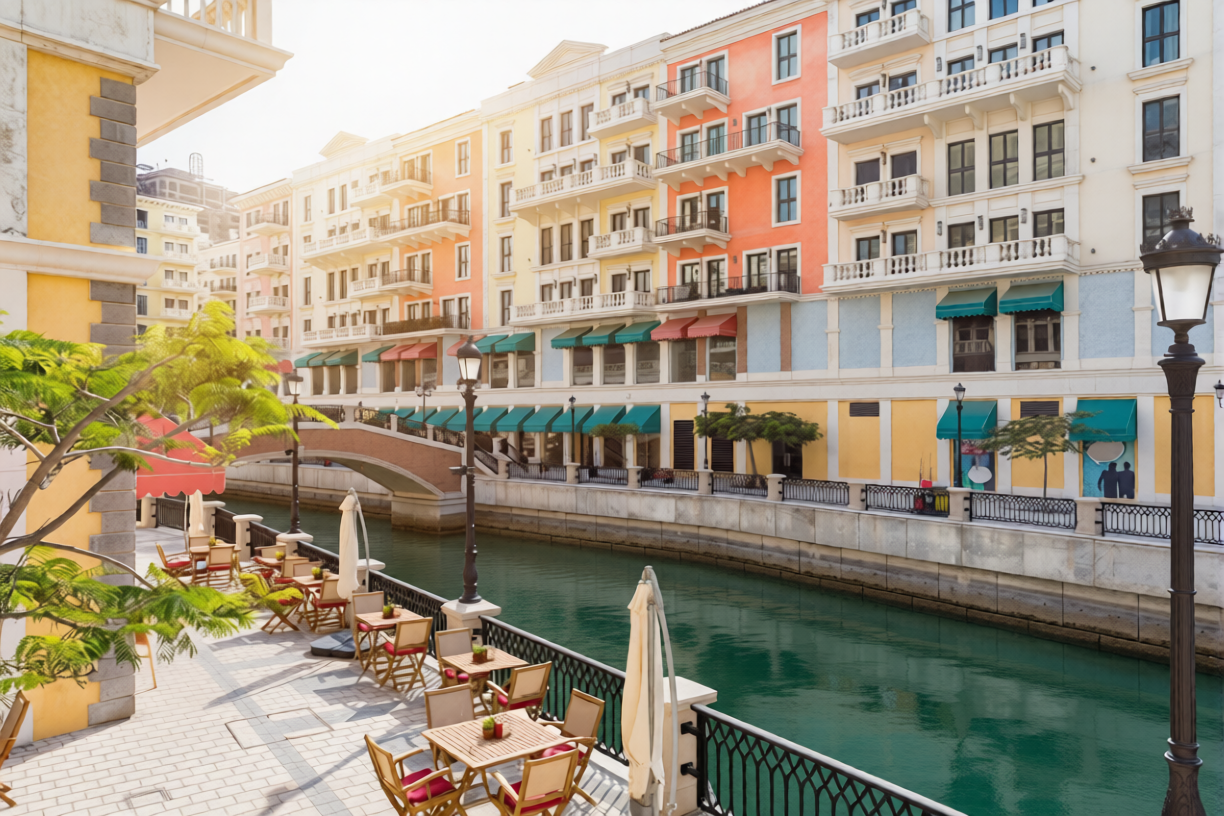
Al-Khobar / Dammam (Eastern Province) to Doha: approximately 400–450 km, with a drive time of roughly 4.5–5.5 hours. This is the most direct and popular starting point for the crossing, since it's closest to the Salwa checkpoint; most day-trip and short-stay travelers from Saudi Arabia to Qatar begin their journey from here.
Al-Ahsa to Doha: approximately 350–400 km, with a drive time of roughly 4–5 hours. Al-Ahsa is actually the closest major city to the border itself, making it a common overnight stop for travelers coming from further west before continuing on to Salwa the next morning.
Riyadh to Doha: approximately 900+ km, with a drive time of 9–10+ hours. This is a full day's drive on its own even before factoring in checkpoint time, so most travelers either leave very early in the morning to arrive at a reasonable hour or plan a stop along the way.
Jeddah to Doha: approximately 1,700+ km, with a drive time of 17+ hours, making a multi-day trip strongly recommended rather than optional. Attempting this route in one continuous stretch is genuinely not advisable given fatigue and the long, sparsely serviced desert highway involved.
For anyone driving from Riyadh or further west, it's worth planning an overnight stop rather than attempting the full journey in one stretch; the route runs through long, open desert highway with limited amenities in places. Riyadh-based travelers often break the journey around Al-Ahsa or the Eastern Province, which conveniently also positions you close to the border for an early start the next day. Whichever city you're starting from, factor in extra time beyond the raw drive duration for fuel stops, rest breaks, and, as covered in the checkpoint section above, the time spent actually crossing at Salwa and Abu Samra, since that's the variable most likely to extend your total travel time beyond what the driving distance alone suggests.
Once you've mapped your route, check our Hamad International Airport guide if part of your group is flying in to meet you instead of driving.
Where to Stay Once You Arrive in Doha
After a long drive, choosing the right base in Doha makes a real difference, especially if you're arriving tired after several hours on the road and want to settle in quickly rather than navigate unfamiliar city traffic while searching for your hotel. Doha has options across every budget and travel style, and where you stay can shape the rest of your trip more than people expect.
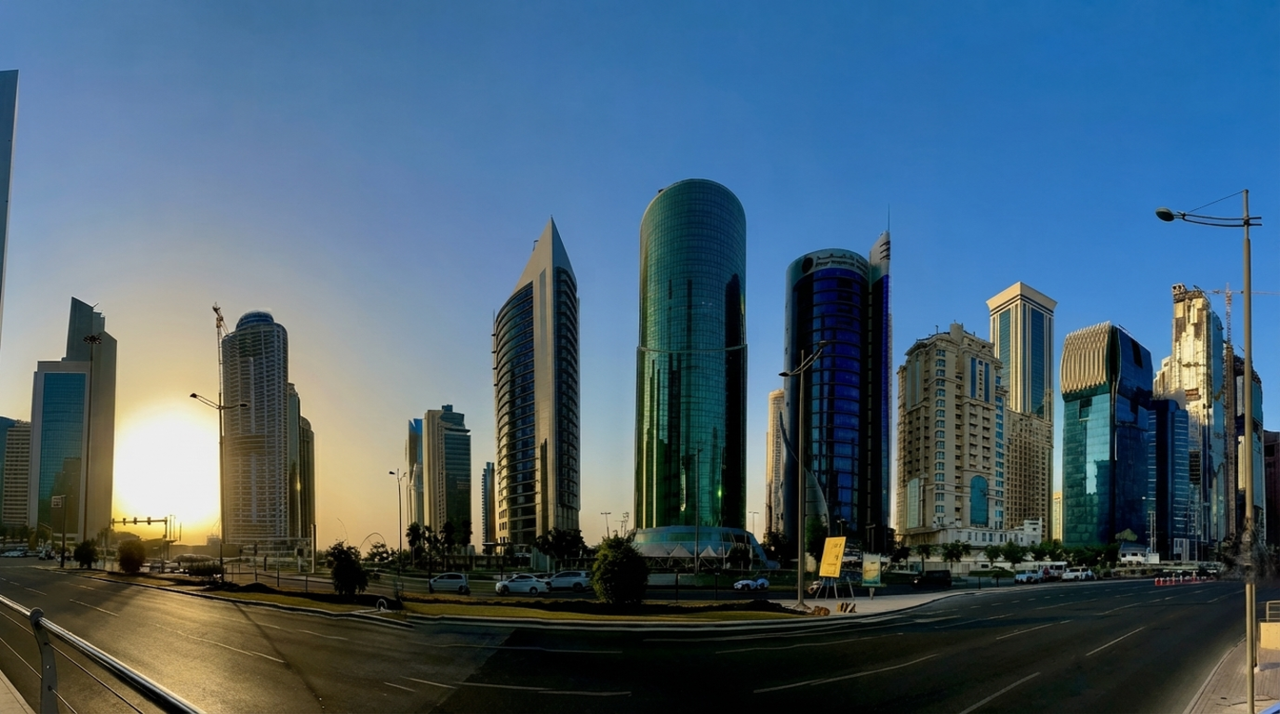
West Bay: Doha's modern skyline district, with high-rise hotels, easy access to City Center Mall, and a central location that puts you within easy reach of most of the city; a solid choice if you want convenience above all else after a long drive.
The Pearl-Qatar: A more upscale, resort-style option with waterfront views, marina dining, and boutique retail right outside your door; better suited to travelers looking to relax rather than stay close to the older parts of the city.
Near Souq Waqif and the Corniche: Central, walkable, and close to some of Doha's best-known cultural sites and restaurants; a good fit if you want to explore on foot rather than rely on taxis or driving once you've arrived.
Al Waab / Aspire Zone area: Generally quieter and more residential, with family-friendly hotels and easy access to parks and sports facilities; worth considering if you're travelling with kids and want some breathing room after the drive.
Beachfront resorts further along the coast: A good option if part of your trip is about unwinding rather than sightseeing, though bear in mind these are typically a longer taxi or drive from the city center.
A couple of practical notes specific to road-trippers: if you're arriving late at night after a long drive, it's worth confirming your hotel's check-in hours in advance, since some smaller properties have limited overnight reception. If you're continuing to drive your own vehicle around Doha, also check whether your hotel offers secure or covered parking, particularly if you're driving a foreign-registered car; some downtown properties have limited on-site parking and rely on nearby paid lots instead.
Browse our full breakdown of neighborhoods and hotel options in Where to Stay in Doha.
Top Things to Do in Doha After Your Crossing
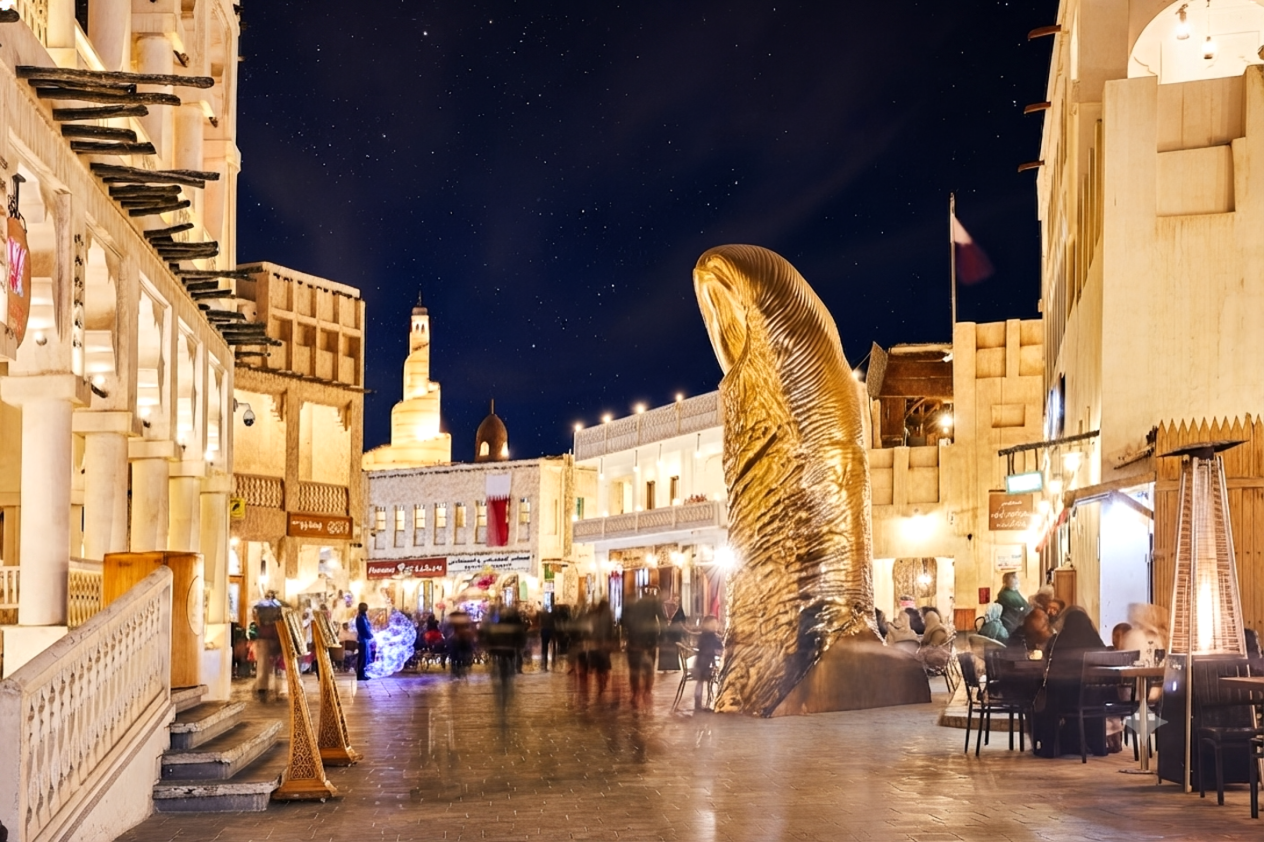
Once you've made it through the border and settled in, Doha rewards the drive. The city blends traditional Gulf culture with striking modern architecture, so it's worth building in enough time to experience both sides of it rather than rushing through on a tight schedule. A few highlights worth building into your itinerary:
Souq Waqif: Doha's traditional market, ideal for an evening stroll, shopping, and local food. Beyond the spice stalls and textiles, the falcon souq tucked into one corner is worth a look even if you're not buying, and the restaurant alleyways come alive after sunset with outdoor seating and shisha lounges. This is a good first stop on your evening after a long day of driving.
Museum of Islamic Art: one of the region's standout cultural landmarks, right on the Corniche. Designed by I.M. Pei, the building itself is as much a highlight as the collection inside, and the surrounding park is a popular spot for an evening walk with skyline views back toward West Bay.
The Pearl-Qatar: upscale waterfront dining, marina views, and boutique shopping. It's designed for a slower pace, so it works well as a half-day where you can walk the marina promenade, browse the shops, and settle into a long lunch or dinner without an itinerary to rush through.
Katara Cultural Village: beaches, galleries, and beachfront cafes in one walkable area. Look out for the amphitheater and the row of art galleries near the cultural village entrance, and if your visit lines up with an exhibition or event, it's worth checking the schedule in advance.
Desert Safari excursions: a popular half-day or full-day trip from Doha into the dunes, and a fitting way to bookend a desert road trip. Most operators combine dune bashing with a stop at an inland sea viewpoint and a traditional camp dinner, which makes for a natural close to a trip that started with hours of desert highway on the drive in.
The Corniche waterfront promenade: a long, easy walking or cycling stretch along the bay with views of the West Bay skyline, and a good option if you want to stretch your legs after the drive without committing to a full activity.
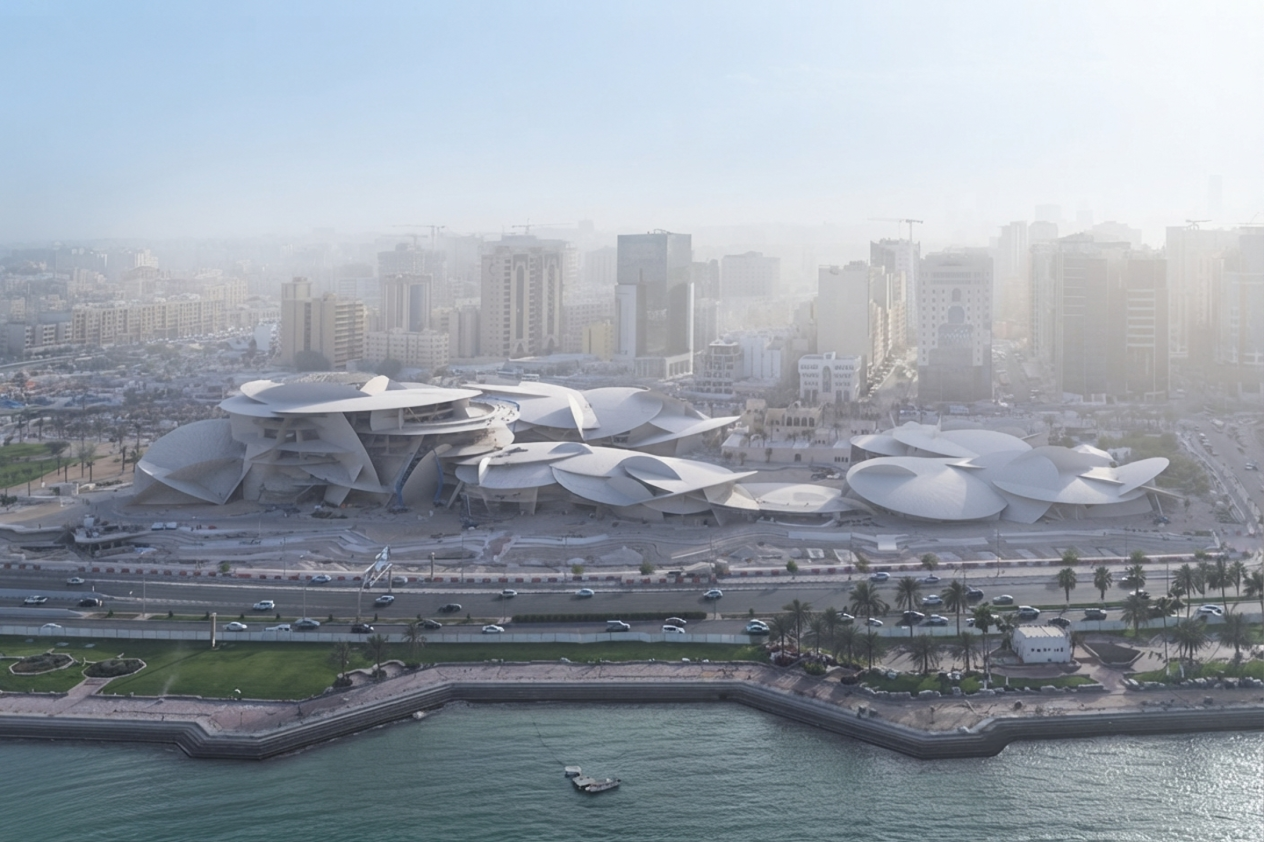
National Museum of Qatar: distinctive architecture inspired by the desert rose formation, with exhibits covering Qatar's natural and cultural history, making it a good complement to the Museum of Islamic Art if you have time for both.
For the full list of curated experiences and bookings, visit our Doha travel blog.
Practical Tips for a Smooth Abu Samra Crossing
A little preparation can make a big difference when crossing the Abu Samra border. Whether you're visiting Qatar for business, tourism, or a family trip, these practical tips will help you reduce waiting times and avoid common issues at the checkpoint.
Pre-register before you travel: this is the single biggest time-saver available, whether via Metrash or the Hayya Portal. Do it a few days ahead rather than the night before, especially around holidays, since preferred time slots can fill up during peak periods.
Travel with a full tank: fuel stations exist along the route, but plan ahead given the desert stretch, and don't assume every station will be open or staffed late at night; topping up before you leave your starting city is the safest approach.
Avoid peak weekend and holiday windows where possible: Thursday evening through Saturday, plus Eid and school holiday periods, see the longest queues by far. Shifting your travel date by even a day can make a noticeable difference.
Keep both digital and physical copies of your passport, visa/Hayya permit, and vehicle documents: phone battery, signal, and screen glare can all make digital copies harder to show quickly at a counter, so a printed backup avoids unnecessary delays.
Arrange vehicle insurance in advance through Qatar's MSAR platform if you're driving a foreign-registered car: on-site short-term insurance is no longer offered, so this step needs to be sorted before you leave rather than at the checkpoint itself.
Double-check your specific nationality's requirements, since rules can differ for GCC citizens, GCC residents, and non-GCC travelers passing through Saudi Arabia: don't assume the rules that apply to a travel companion apply to you as well, particularly if you're in a mixed-nationality group.
Carry small denominations of Qatari riyal and Saudi riyal for any incidental costs along the route, such as fuel or food stops, since not every stop along the desert highway is guaranteed to accept cards.
Check your vehicle's condition before setting off: tyres, coolant, and AC in particular, given the desert driving conditions and the extended time you may spend idling in queues at the checkpoint.
Time your crossing with the heat in mind during summer months: early morning or evening crossings are far more comfortable than a midday wait in peak heat if you end up in a longer queue.
Plan the Rest of Your Trip
Now that your route into Doha is sorted, it's time to plan what comes next. A smooth border crossing is just the first piece of a well-planned trip; the rest of your itinerary, from where you stay to how you get around once you're in the city, matters just as much for how the trip actually feels once you arrive.
Explore our complete Plan Your Trip hub for visas, accommodation, getting around, and everything else you need for a smooth Qatar arrival, by road or by air. Whether you're weighing up neighborhoods to stay in, figuring out the best way to get around Doha once you've parked the car, or double-checking visa requirements for a travel companion of a different nationality, it's all covered in one place so you're not piecing together separate searches after you've already set off.
If you'd rather not handle the drive yourself, or if part of your group is planning to add on a day trip once you've arrived, you can also book a private transfer or desert safari Doha excursion in advance through Viator, a useful option if you want your first hours in Doha sorted without arranging anything on the ground.
If your travel dates or plans are still flexible, it's also worth checking current entry requirements and any travel advisories before you finalize your trip, since border and visa rules can be updated with relatively little notice. For official Qatar tourism information and current travel advisories, visit Visit Qatar, Qatar's national tourism authority.
Frequently Asked Questions
Latest Posts