
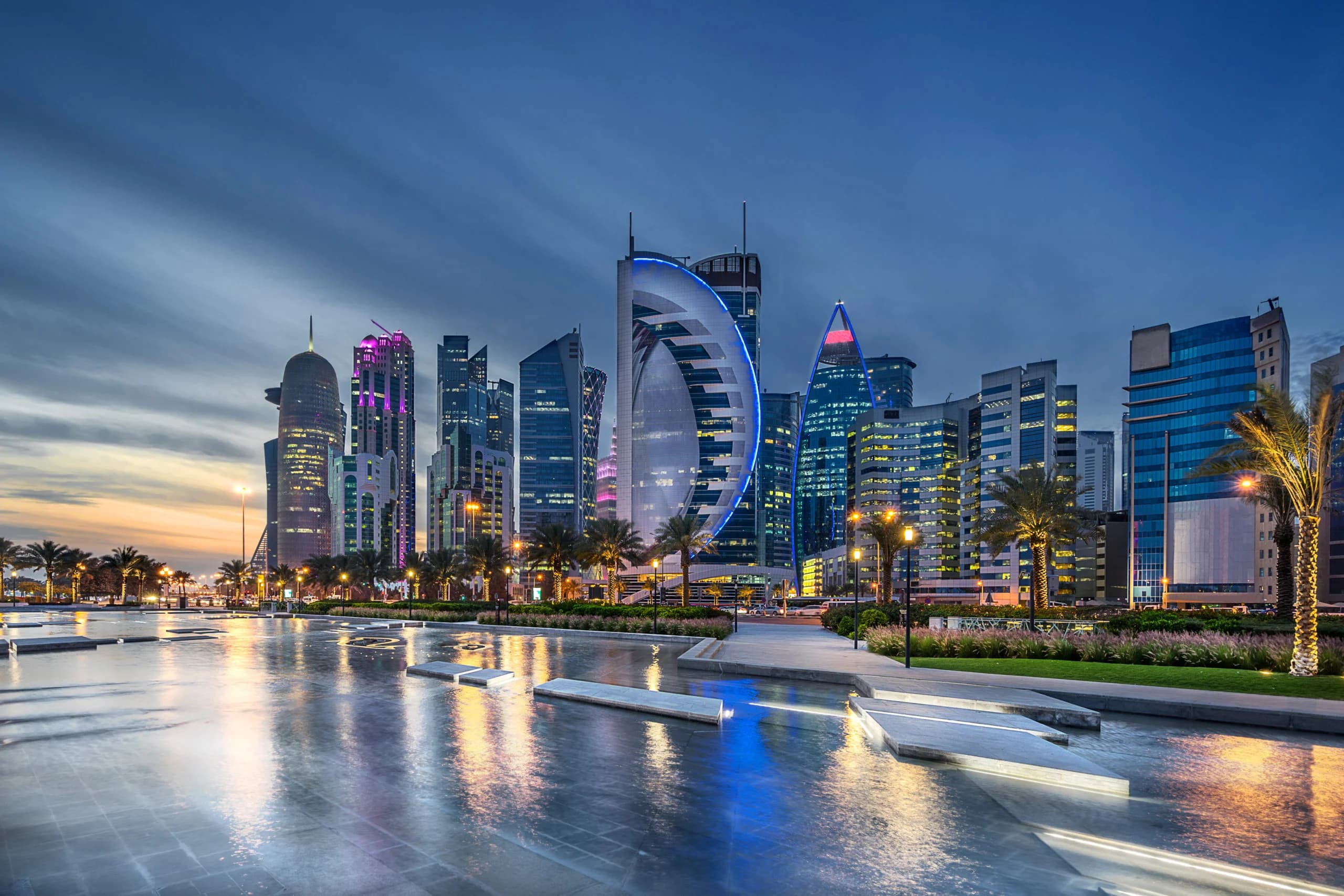
Msheireb Museums
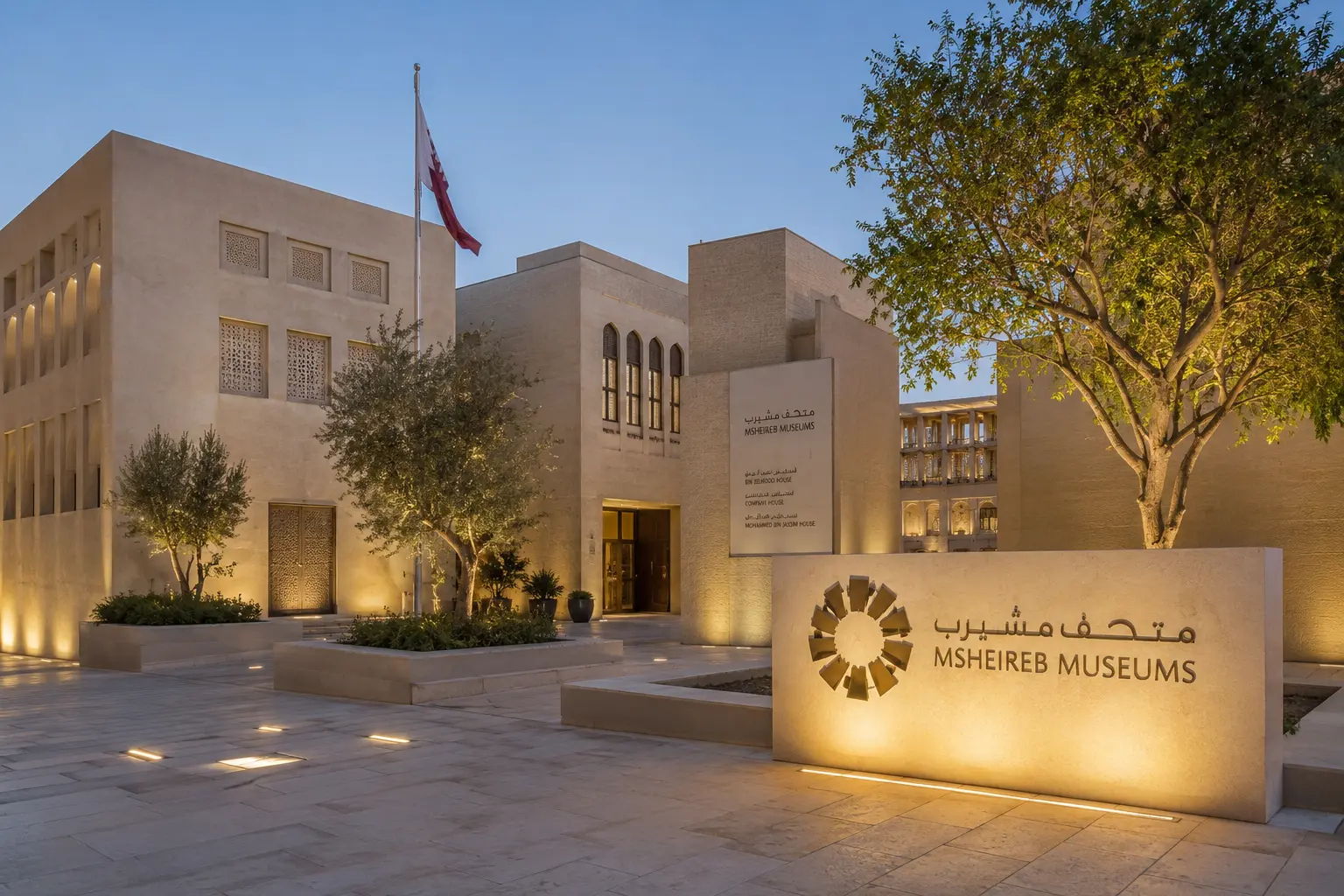
Discover the Msheireb Museums
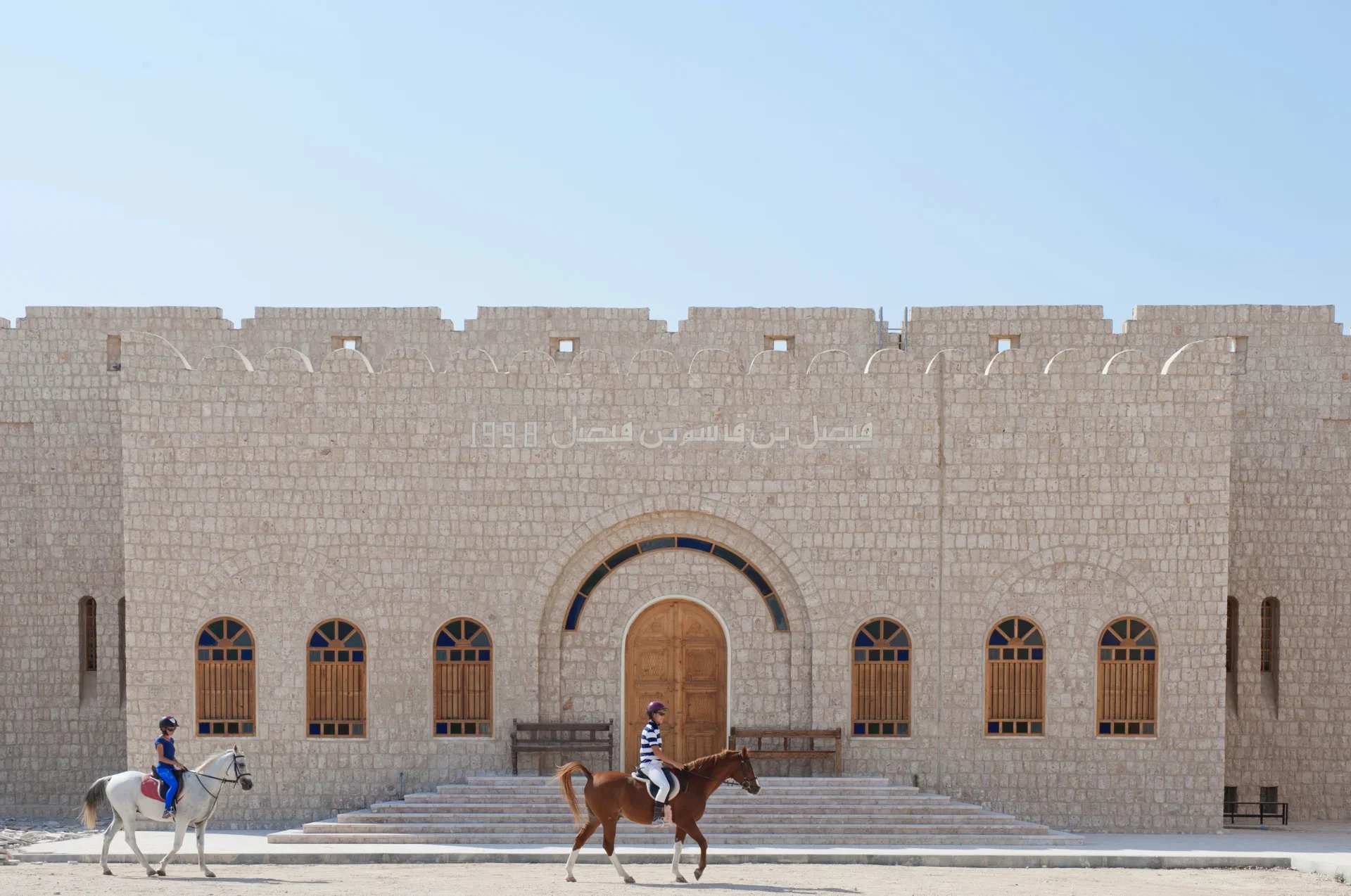
Step off the tram in the heart of downtown Doha and the city changes pace. The traffic falls away, the streets narrow, and four beautifully restored courtyard houses open in front of you, shaded by colonnades and cooled by the same open plan design Qatari families relied on a century ago.
These are the Msheireb Museums, and they are the most welcoming introduction to Qatari history you will find in the city. Not a single grand building, but four real homes, each one restored to its original character and each telling a different chapter of how this country came to be.
You wander between them across open courtyards. In one, the story of Doha's old quarter and the modern district built around it. In another, the men who found oil and the country it transformed. In a third, a 1920s family home laid out exactly as it was lived in. In the fourth, an honest and moving account of slavery in the Gulf, told in the house where a trader once lived.
Best of all, every one of them is free. All four sit within a two minute walk of each other, Souq Waqif is ten minutes away on foot, and the whole visit fits comfortably into a morning.
If you have time for only one cultural stop in central Doha, make it this one.
Why Msheireb Museums Are Worth Your Time
The big museums on the Corniche are spectacular, and you should see them. But they tell the story from above. Msheireb tells it from inside the houses where it happened, which is a very different experience.
You will find yourself standing in a real courtyard, listening to a Qatari oil worker describe his first day on the job in the building where his company was headquartered. You will walk through a family kitchen restored to how it looked in the 1920s. The scale is human, the pace is yours, and the detail sticks with you far longer than a display case usually does.
The houses themselves are part of the pleasure. Msheireb Downtown Doha was one of the largest urban regeneration projects in the Gulf, and rather than sweep these buildings away, Qatar restored them with traditional materials and built the new district around them. The contrast between a hundred year old courtyard and the contemporary streets outside is one of the most striking things in the city.
And then there is Bin Jelmood House, which is the reason this site is talked about internationally. Set in the former home of a slave trader, it confronts the history of slavery in the Gulf and the wider Indian Ocean world with real honesty, including testimony from descendants of enslaved people. Few countries anywhere have chosen to examine their own past this openly, and it makes for a powerful, thoughtful hour.
Known for: Four restored heritage houses, each telling a different chapter of Qatar's story
Setting: The historic heart of Msheireb Downtown Doha, a short walk from Souq Waqif
Themes: The city's own history, the oil boom, Qatari family life, and slavery and abolition
Opened: 2015, as part of the Msheireb Downtown regeneration
Status: Free to enter, and one of the most rewarding cultural stops in central Doha
Four Houses, One Courtyard
Part of the charm is the architecture, and it is worth pausing to notice how these houses work before you step inside.
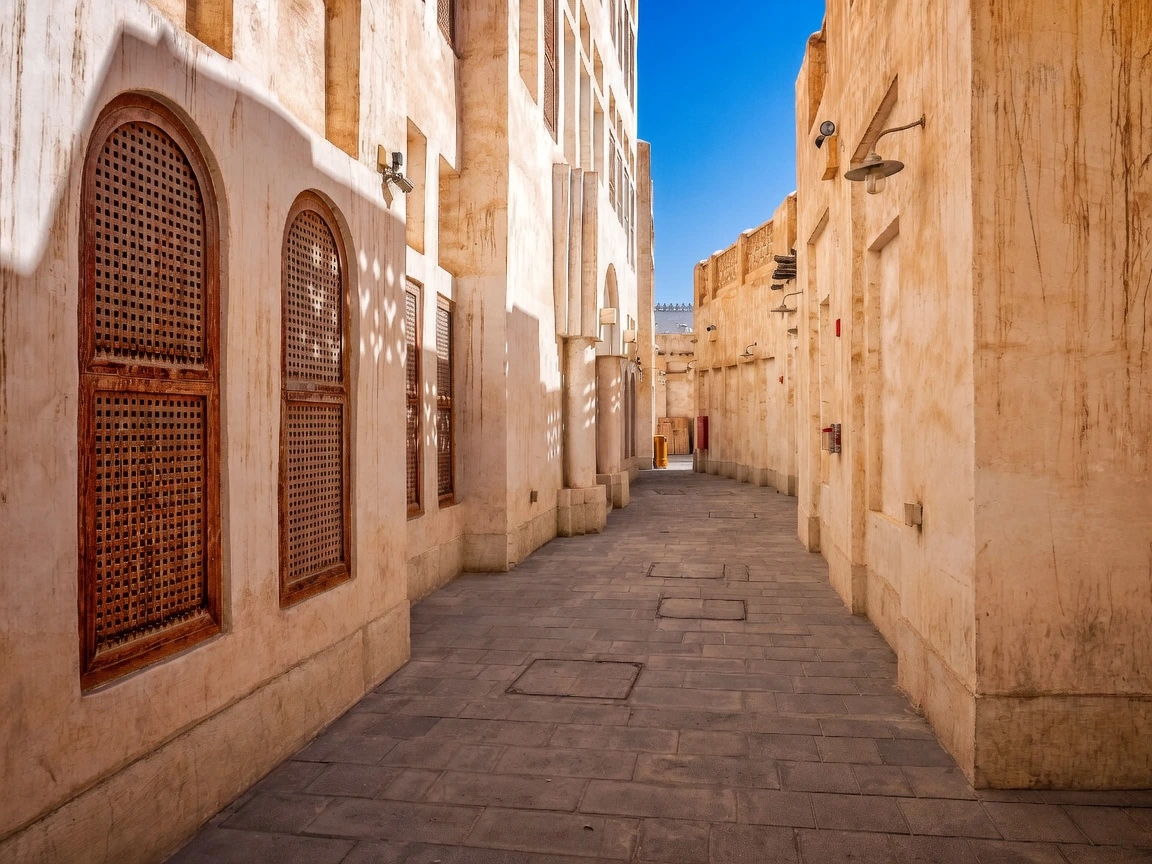
They turn their backs on the street and open inward onto courtyards. Thick walls hold the cool of the night through the heat of the day, colonnaded verandas keep the sun off the rooms behind them, and the open square at the centre draws air through the whole building. It is a design perfected over centuries in the Gulf, and standing in one of these courtyards in the middle of a Doha afternoon, you can feel exactly why it worked.
The restoration was done with traditional techniques and materials, with the modern services and screens tucked into floors and recesses rather than fixed to the walls. The result is that they still feel like homes. You notice the carved doorframes, the texture of the plaster and the light falling into the courtyard long before you notice you are in a museum.
Step outside and the new Msheireb rises around you in the same pale stone, low rise and shaded. Walking from a 1920s courtyard straight into a contemporary Qatari street, in one movement, is a small thrill.
Inside the Four Houses
Each house takes one subject. There is no fixed route, but the order below flows best.
Mohammed Bin Jassim House
Built by Sheikh Mohammed bin Jassim Al Thani, son of the founder of modern Qatar, and now dedicated to the story of Msheireb itself. It shows you what the old quarter looked like, why it was rebuilt, and how the new downtown was designed around traditional form and shade. Start here, because it makes sense of everything outside the door.
Company House
The former headquarters of Qatar's first oil company, telling the story of the petroleum industry through the men who worked in it. Original equipment, photographs and recorded interviews with Qatari oil workers and their families bring an extraordinary period to life, when a small pearling nation changed beyond recognition within a single generation.
Radwani House
A family home first built in the 1920s, excavated and restored to show how domestic life in Doha evolved across the twentieth century. The kitchen, the majlis and the courtyard are set out as they were actually used, and archaeological finds from the site are displayed where they were uncovered. The gentlest and most charming of the four.
Bin Jelmood House
The most significant of the houses, devoted to the history of slavery in the Gulf and the Indian Ocean world. It traces the trade, the lives it shaped and the path to abolition through audiovisual testimony, including from descendants of enslaved people, and carries the subject into the present day. There is a library here developed with Qatar National Library. Allow the most time for it, and expect it to stay with you.
Guided Tours and the Audio Guide
Free guided tours can be arranged in advance and add a great deal, especially at Bin Jelmood House. A self guided audio option is available if you prefer to set your own pace, and all signage is bilingual in Arabic and English.
The District Around Them
Do not rush away once you have finished the houses. Msheireb Downtown Doha is one of the few genuinely walkable quarters in the city, and it is lovely at either end of the day.
It was designed as a modern reading of traditional Qatari urbanism, with low rise buildings in pale stone, narrow streets aligned to catch the breeze, courtyards and colonnades instead of glass towers. A free tram loops through it, which children enjoy more than they expect to.
Al Kahraba Street runs through the middle as a pedestrian spine, lined with cafes, independent shops and galleries, and it is the natural place to sit with a coffee afterwards. The Barahat plaza and the Galleria host events through the cooler months, and by evening the whole district is lit and busy, with Souq Waqif waiting ten minutes east.
Eat, Drink and Take Something Home
There is no restaurant inside the museums, but you are spoiled for choice outside. Al Kahraba Street and the Msheireb Galleria offer cafes, bakeries and restaurants within two or three minutes of the houses, from specialist coffee shops to proper sit down dining.
For something closer to the spirit of what you have just seen, walk ten minutes east to Souq Waqif and take a table among the Qatari and Levantine restaurants in the alleys.
Sogha from Msheireb, the museums' own shop, has outlets in the Company House orientation space and in Bin Jelmood House. It stocks work by Qatari and regional makers, and it is one of the better places in the city to find a souvenir worth carrying home.
Visitor Essentials
Opening hours: Monday to Thursday 9am to 5pm. Friday 3pm to 9pm. Saturday 9am to 5pm. Closed Sundays.
Admission: Free for everyone, with no ticket and no advance booking required.
Closures: Also closed on official public holidays and occasionally for special events, so check before travelling if your dates are tight.
Time meeded: About 90 minutes for all four houses at a steady pace. Two to three hours if you take Bin Jelmood House slowly, which most visitors do.
Guided tours: Free, and bookable in advance. A self guided audio option is available instead.
Facilities: Restrooms, prayer facilities, a library at Bin Jelmood House and gift shop outlets in two of the houses.
Access: All four houses are wheelchair accessible, with wheelchairs available in each.
Dress: Modest dress covering shoulders and knees, in keeping with the setting.
Photography: Welcome for personal use, and the courtyards are beautiful. Be discreet inside Bin Jelmood House.
With children: Three of the houses suit all ages easily. Bin Jelmood House deals with slavery frankly and is better suited to older children and teenagers.
Getting Here
Metro: Msheireb station, the interchange for the Gold, Red and Green lines and the easiest metro connection in Doha. Take the Downtown East exit.
Tram: The free Msheireb tram runs through the district. Get off at the Heritage Quarter stop and Bin Jelmood House is right beside you.
On foot: About 10 minutes from Souq Waqif, walking west past Al Koot Fort.
Taxi: Around 20 minutes from Hamad International Airport and 10 to 15 from West Bay.
Car: Underground parking runs beneath Msheireb Downtown, which is the simplest option if you are driving.
Make a Morning of It
This is a half day that builds beautifully, and it pairs far better with the old city than with the Corniche museums.
Arrive as the houses open at 9am, while the courtyards are cool and quiet. Begin at Mohammed Bin Jassim House to get your bearings, then move through Company House and Radwani House. Save Bin Jelmood House for last, since it is the one you will want to sit with rather than rush away from.
Step out onto Al Kahraba Street for lunch and a coffee in the shade, then walk ten minutes east into Souq Waqif and let the afternoon look after itself among the alleys, the falcon souq and the old coffee houses.
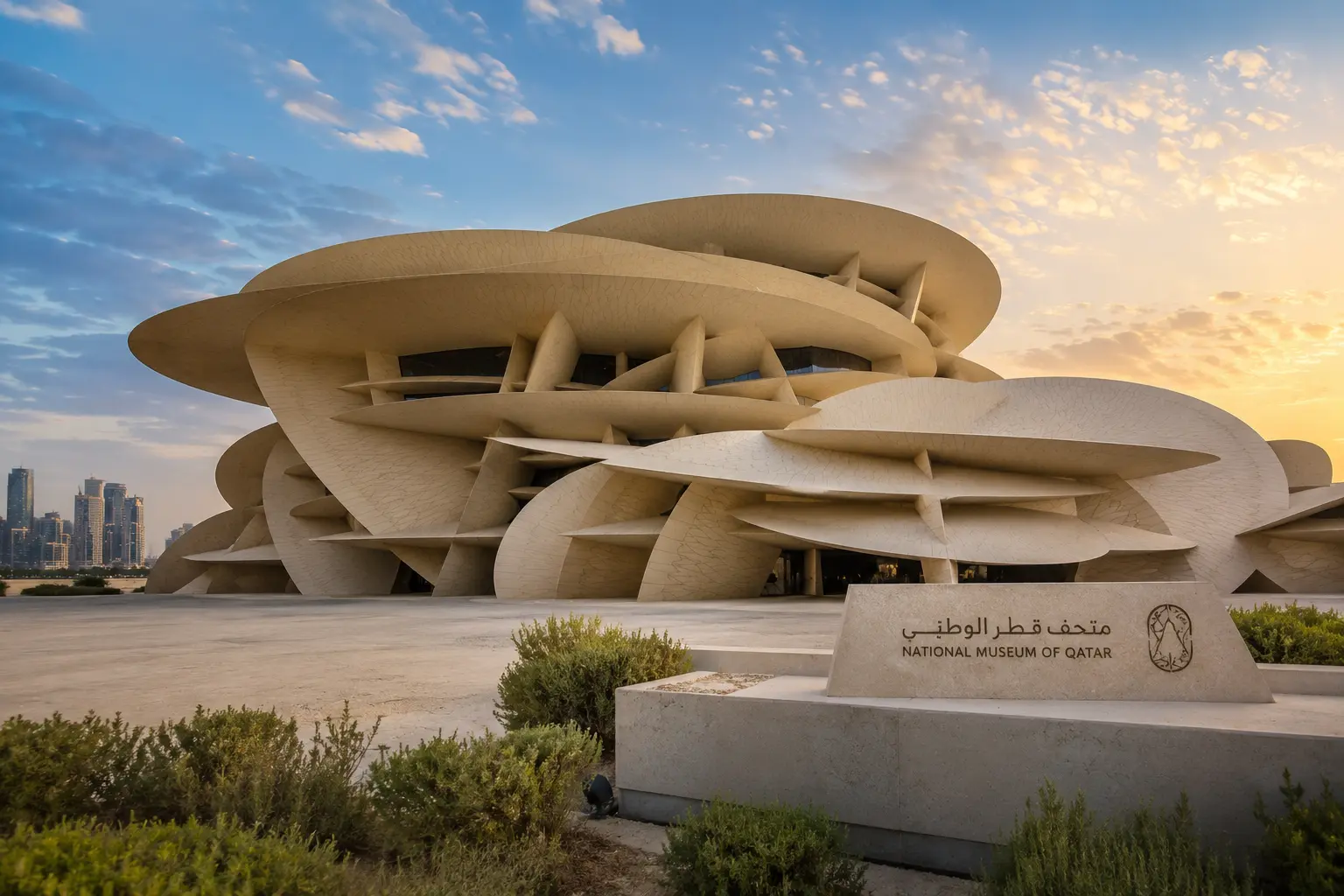
One piece of planning advice. Msheireb Museums close on Sundays, the National Museum of Qatar on Tuesdays and the Museum of Islamic Art on Wednesdays. Three different days, so no single day costs you more than one of them.
Stay Nearby
Msheireb is the most convenient base in the city, with hotels inside the district putting you two minutes from the houses and directly above a three line metro interchange.
The Souq Waqif area next door offers boutique heritage hotels with more character and the old town on your doorstep. Either one keeps almost everything on this page within walking distance, which is rare in Doha.
Frequently Asked Questions
Explore Tours
No tours found for Museum of Islamic Art right now.