
Souq Waqif Doha: Everything to Know Before You Go
Posted on:
July 31, 2026
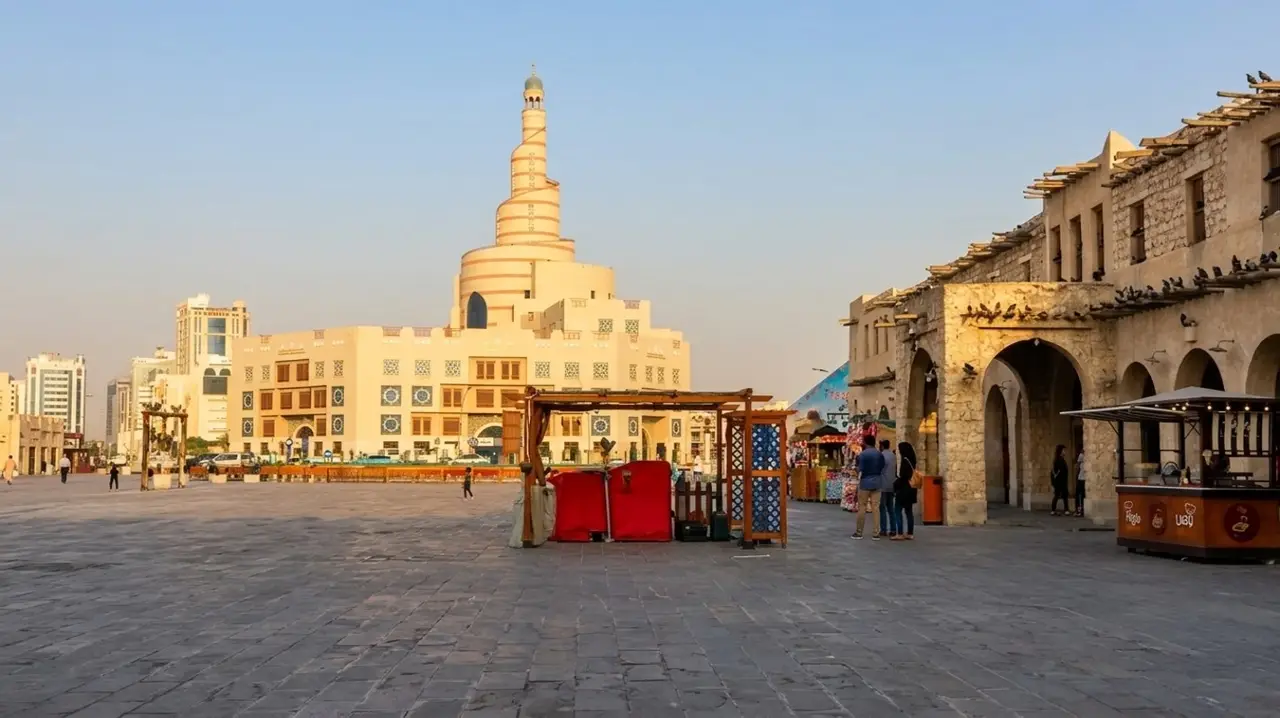
If there is one place in Doha that captures the soul of Qatar before the skyscrapers and shopping malls took over, it is Souq Waqif. This is the market that locals still shop at, that layover travelers rush to see in a three-hour window, and that first-time visitors put at the very top of their Doha itinerary. Whether you are staying in the city for a week or you only have a few hours between flights at Hamad International Airport, this guide covers everything you need for a visit to Souq Waqif Doha, including opening hours, entry fees, how to get there, what to wear, and the best things to do once you arrive.
What Is Souq Waqif?
Souq Waqif, which translates roughly to "the standing market," is the oldest souq in Qatar, with roots going back around 250 years to when Bedouin traders gathered along the banks of the Wadi Musheireb to sell wool, livestock, and goods carried in from the desert. The market has been restored over the years to preserve its mud-rendered walls, wooden beams, and narrow winding alleys, so walking through it today feels closer to Qatar's past than almost anywhere else in the capital.
Today the souq is part market, part cultural district. You will find spice and coffee traders, textile and abaya shops, a gold souq, a falcon souq, an art centre, boutique hotels, and dozens of restaurants and shisha lounges spread across its lanes. It sits close to the Amiri Diwan and has an underground walkway connecting it to Msheireb Downtown Doha, so it pairs naturally with a wider walking tour of the city center.
Souq Waqif Opening Hours
Souq Waqif operates on a split schedule that catches a lot of first time visitors off guard.
Most retail shops open from around 10 am to noon, close for the afternoon, then reopen from 4 pm until 10 pm. Restaurants and cafes tend to run much longer hours, generally from 8 am until midnight, and some stay open around the clock. During Friday prayers, expect many shops to pause briefly.
During Ramadan, the schedule shifts again. Stores typically operate from 8 am to noon, then reopen in the evening from Iftar until midnight, with the souq's Eastern Square hosting the nightly firing of the Iftar cannon, a tradition worth timing your visit around if you happen to be there during the holy month. You can check the current calendar on Qatar's official tourism site, Qatar Tourism, before you travel since hours can shift slightly around public holidays and events.
Because of this rhythm, the honest answer to "when should I visit Souq Waqif" is simple: go in the evening. The market is quiet and half asleep in the midday heat, and it comes fully alive after sunset.
Souq Waqif Timings at a Glance
Section | Typical Hours |
|---|---|
Retail shops | 10 am to 12 pm, then 4 pm to 10 pm |
Restaurants and cafes | 8 am to midnight, some open 24 hours |
Ramadan, stores | 8 am to 12 pm, then Iftar to midnight |
Ramadan, restaurants | Iftar to Suhoor |
Souq Waqif Entry Fee
Entry is completely free. Souq Waqif is an open-air public market, not a ticketed attraction, so there is no gate, entry pass, or admission charge of any kind, whether you are visiting for an hour or spending the whole evening there.
No booking required. You do not need to reserve a slot, buy a ticket online, or show any documentation to walk into the market. You can simply arrive at any of the entrances and start exploring right away.
Free for all visitors and age groups. There is no separate pricing for adults, children, seniors, or tourists versus residents. Everyone walks in on the same basis, with no discounted or family tickets to worry about.
You only pay for what you choose to do. While the market itself is free, individual experiences inside it carry their own costs, such as:
Buying spices, sweets, textiles, gold, or souvenirs
Eating at one of the restaurants or cafes, where prices vary widely from casual food stalls to rooftop dining
Sitting down for shisha at one of the lounges
Paying a small fee to hold or photograph a falcon at the Falcon Souq
Camel or horse related photo opportunities near the Emiri stables
Guided tours, if you choose to join one instead of exploring independently
No mandatory spending. You can walk through every alley, including the spice souq, gold souq, Falcon Souq, and Art Centre, without buying anything at all, making it entirely possible to enjoy a full visit on no budget beyond transport.
Free for layover travelers too. Since there is no entry fee, travelers stopping by during a Doha layover only need to budget for transport to and from Hamad International Airport, plus whatever they choose to eat or buy once inside.
Watch out for paid extras marketed as experiences. Some vendors, particularly around the Falcon Souq or with street performers, may informally ask for a tip or small fee for photos. This is optional and not an official entry cost, so it is worth carrying small notes if you want to participate.
Parking and transport are separate costs. If you drive, nearby paid parking areas charge their own rates, and taxis or ride-hailing apps are priced separately from anything inside the souq itself.
How to Get to Souq Waqif
Souq Waqif sits in the heart of Doha, close to Msheireb Downtown Doha, which makes it simple to reach from almost anywhere in the city.
By metro. Doha Metro's Gold Line stops at Souq Waqif Station, which is the most convenient and budget-friendly way in if you are coming from Hamad International Airport or a hotel along the metro network.
By taxi or rideshare. Karwa taxis and ride-hailing apps are widely available and inexpensive, and this is usually the fastest option if you are short on time, particularly if you are on a layover and working against the clock. Getting from Doha airport to Souq Waqif by taxi typically takes around 15 to 20 minutes depending on traffic.
By car. There are paid parking areas around the souq's perimeter, though traffic can be heavy in the evenings when the market is busiest.
On foot. If you are staying in Msheireb Downtown Doha or near the Corniche, Souq Waqif is easily walkable and connects to Msheireb through an underground pedestrian walkway.
For a full breakdown of metro routes, taxi apps, and getting around the wider city, our guide to getting around Doha covers the transport network in more detail, and our getting to Doha page walks through arrival logistics from the airport.
Visiting Souq Waqif on a Doha Layover
Souq Waqif is one of the most popular stops for long-haul travelers connecting through Hamad International Airport, and for good reason. It is close to the airport, free to enter, and gives you a genuine taste of Qatari culture in a short window of time.
Depending on your nationality, you may be able to enter Qatar visa-free, or you may need to arrange a transit visa through the Ministry of Interior. Qatar's transit visa program is designed specifically for passengers connecting through Hamad International Airport, and eligibility generally depends on your layover length and nationality. You can confirm your visa requirements directly through Qatar's official Ministry of Interior portal, MOI Qatar, before you fly.
As a rough guide, most travelers find that a layover of six hours or more gives enough time to clear immigration, travel to Souq Waqif, explore for a couple of hours, and return in time for boarding. Qatar Airways also runs official Discover Qatar transit tours that include Souq Waqif as one of the stops on their Doha city tour, which can be a convenient option if you would rather not arrange transport yourself.
For a full breakdown of transit visa rules, layover minimums, and what to expect at immigration, see our dedicated Hamad International Airport guide and our Qatar visa guide.
Best Time to Visit Souq Waqif
Time of day. Evenings, from around 5 pm onward, are when Souq Waqif is at its best. The heat has broken, shops have reopened, restaurants are full, and there is usually live music or performers in the open squares.
Time of year. The cooler months, roughly November through March, are the most comfortable for wandering the outdoor alleys. If you are visiting in the peak summer heat between June and September, plan your visit for after sunset, since daytime temperatures can be extreme and many outdoor sections of the market are genuinely uncomfortable to walk through at midday.
Fridays and weekends. These tend to be the busiest, so if you prefer a quieter experience, a weekday evening is a better bet.
Souq Waqif Dress Code
Qatar does not enforce a strict legal dress code for tourists, but modest dress is expected and appreciated, especially in a traditional area like Souq Waqif. As a general rule, both men and women should keep shoulders and knees covered, and avoid overly tight or sheer clothing.
Loose, breathable fabrics like cotton or linen work well given the climate, and a light scarf or shawl is handy if you plan to visit any of the mosques nearby. Swimwear and very casual beachwear are not appropriate here, even though they are fine at hotel pools. Dressing modestly is not just about following local expectations; it also tends to make the experience more comfortable, since you will likely be walking, sitting on cushions at a shisha lounge, and spending time outdoors in the sun.
What to Do in Souq Waqif
Visit the Falcon Souq
Tucked into one corner of the market, the Falcon Souq is where Qatar's centuries old falconry tradition is on full display. Shops sell falcons, hoods, and equipment, and there is even a small falcon hospital nearby. Many visitors pay a small fee to have a falcon perched on their arm for photos, a genuinely memorable experience even if you have no interest in falconry itself.
Explore the Spice and Coffee Alleys
The spice souq is where Souq Waqif's signature scent comes from, with sacks of cardamom, saffron, cinnamon, and dried limes stacked alongside Arabic coffee, dates, nuts, and rice. It is one of the best sections for browsing and picking up small, packable souvenirs.
Browse the Gold Souq
If you want to see how central gold jewelry is to Gulf culture, the gold section of Souq Waqif is worth a walk through, even if you are not buying. Elaborate necklaces, headpieces, and traditional pieces sit alongside more everyday jewelry.
See the Camels and Horses
Near the Falcon Souq, a small camel pen and the nearby Emiri stables give visitors a chance to see camels and Arabian horses up close, a nice add-on if you are already in that part of the market.
Visit the Souq Waqif Art Centre
Housed in a restored building with traditional woodwork and hand-painted tiles, the Art Centre showcases work from local and visiting artists, much of which is available for sale. It is a quieter, air-conditioned break from the busy lanes outside.
Watch the Street Performers
In the evenings, Souq Waqif's open squares often host musicians, and during cultural events like Ramadan or National Day, you may catch traditional performances and folklore displays.
Where to Eat in Souq Waqif

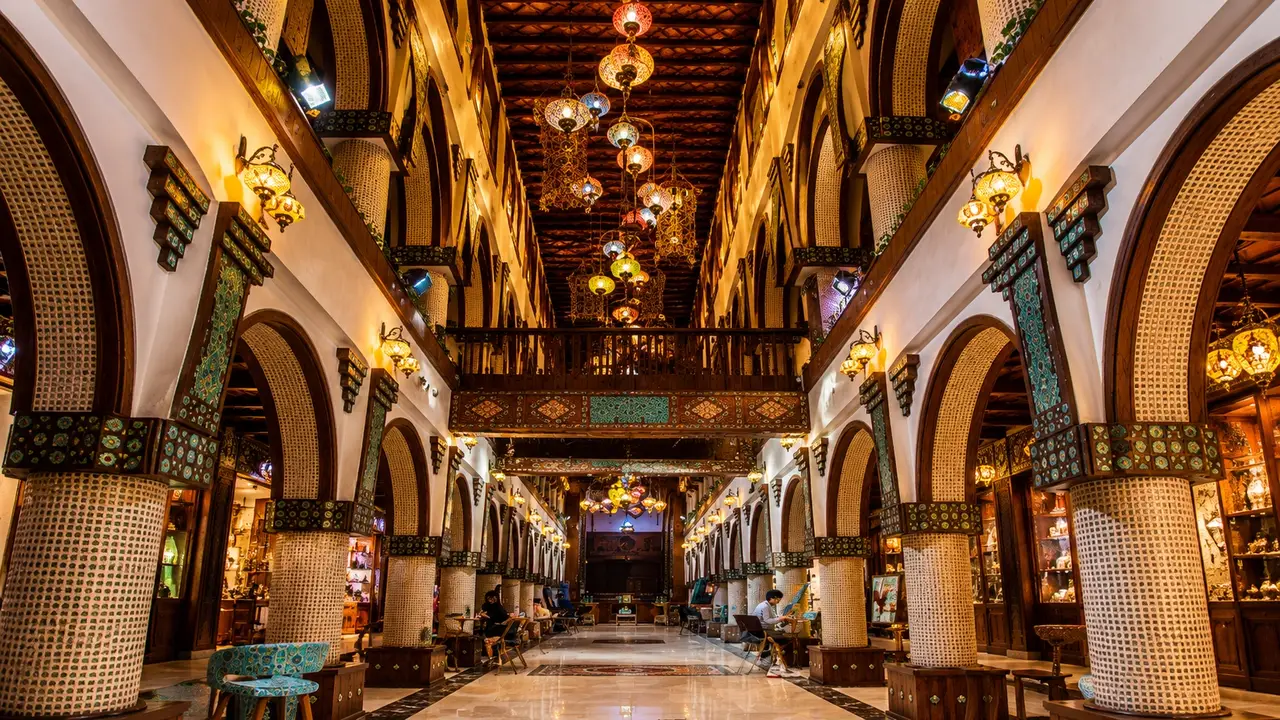
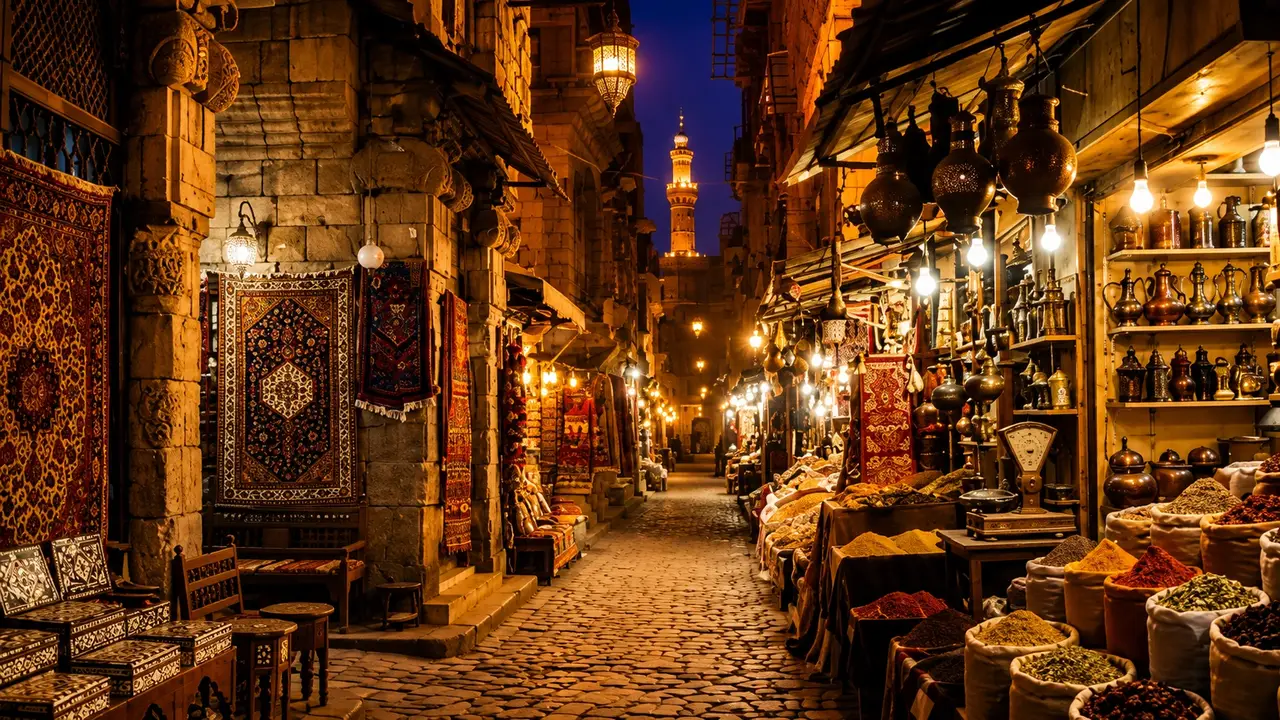
Souq Waqif has one of the highest concentrations of restaurants in Doha, ranging from casual street food stalls to sit-down Qatari, Lebanese, Turkish, Iranian, and South Asian restaurants. Rooftop terraces overlooking the market's lantern-lit alleys are especially popular in the evenings, and shisha lounges are common if you want to sit and people-watch for a while. If you are short on time during a layover, the food stalls near the main entrances are the quickest option, while the rooftop restaurants are worth the extra time if you have a few hours to spare.
Hotels Near Souq Waqif
Souq Waqif itself has a handful of boutique heritage hotels built into the market's traditional architecture, which is a memorable option if you want to stay right in the middle of the action. Properties such as the boutique hotels by Tivoli sit inside the souq's restored buildings and put you within walking distance of every alley covered in this guide. For a wider range of options across Doha, including properties closer to the Corniche or West Bay, our guide to where to stay in Doha breaks down neighborhoods and price ranges.
Final Tips Before You Go
Souq Waqif rewards visitors who slow down and wander rather than rush through with a checklist. Give yourself at least two to three hours if you can, more if you want to eat there as well. Bring cash for smaller stalls even though most shops now accept cards, wear comfortable shoes for the uneven stone pathways, and if you are visiting during a layover, build in extra buffer time for immigration and transport back to Hamad International Airport.
For more help planning the rest of your trip, from visa requirements to full city itineraries, browse our other Doha travel guide posts or start with our plan your trip hub for everything you need before you land.
Want to make the most of your time in Doha beyond Souq Waqif? From desert safaris to dhow cruises and guided city tours, you can browse and book top-rated Doha experiences here and lock in your spot before you land.
Frequently Asked Questions
Latest Posts