
Fanar, Qatar Islamic Cultural Centre
Discover the Fanar, Qatar Islamic Cultural Centre
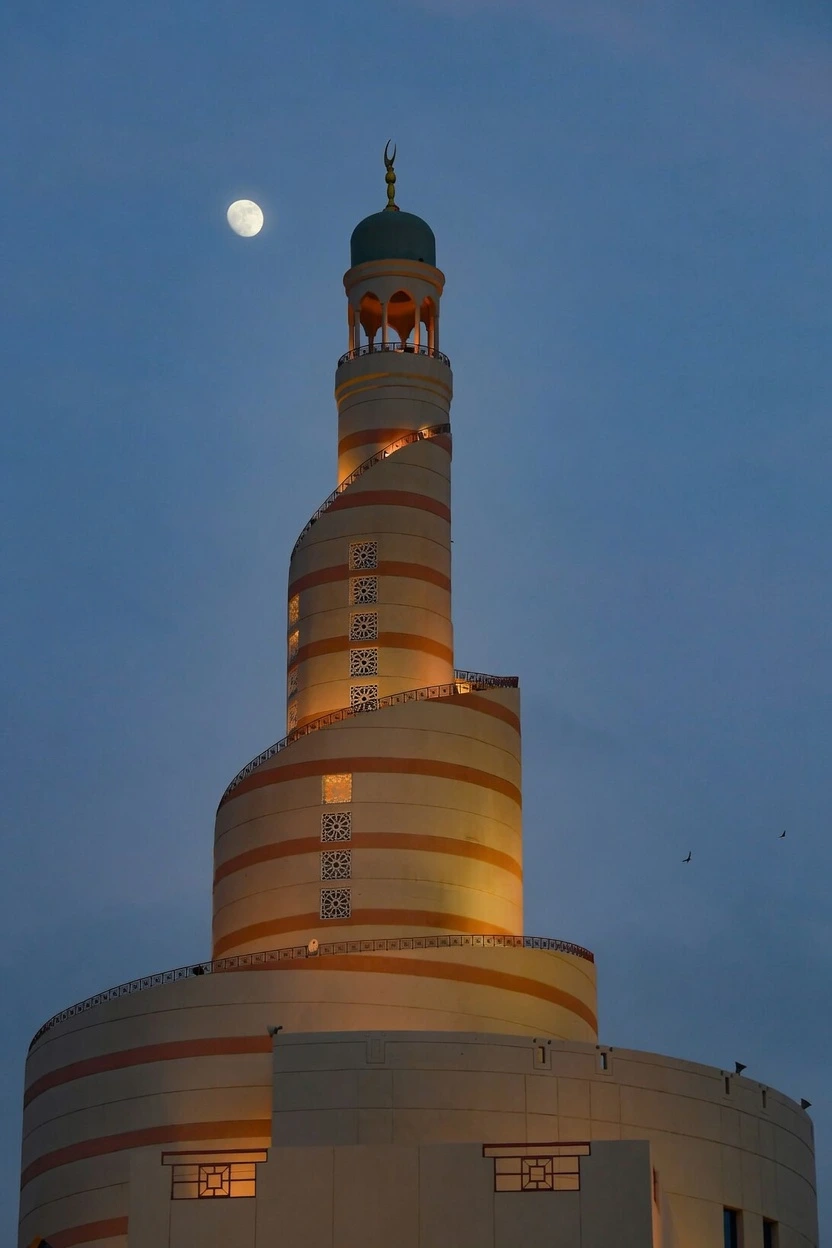
You will see the minaret before you know what it is. A single sandstone tower spiralling up to an open dome, unlike anything else on the Doha skyline, standing just back from the Corniche near Souq Waqif.
This is Fanar, officially the Sheikh Abdulla Bin Zaid Al Mahmoud Islamic Cultural Centre, and its spiral minaret is one of the most recognisable buildings in the city. The design is borrowed from the ninth century Great Mosque of Samarra in Iraq, and locals have long nicknamed the wedding cake shaped tower the Spiral Mosque.
Fanar is a working mosque, but that is only half of what it does. It is Qatar's dedicated centre for introducing Islamic faith and Qatari culture to non Muslim and non Arab visitors, which makes it the single easiest place in Doha to ask the questions you might feel awkward asking anywhere else.
Inside you will find exhibitions on Qatar and Islam, a hall built to feel like a Bedouin tent, cultural sessions over Arabic coffee, a virtual reality film, a library and bookshop, and staff whose whole purpose is to explain rather than to preach. Fanar also runs the guided tours of the Grand Mosque across the city.
Entry is free, it opens from morning into the evening, and an hour or so is enough. Come with curiosity.
Why Fanar Matters
Every visitor to Doha bumps up against questions about Islam and Qatari life, and most have nowhere comfortable to ask them. Fanar exists precisely to close that gap.
The centre is a government backed institution whose mission is cultural exchange rather than conversion. Its staff walk visitors through the pillars of Islam, the meaning behind daily prayer, mosque etiquette and the rhythms of Qatari life, and they welcome questions openly. Non Muslim visitors can even attend the Friday sermon and prayers delivered in English, which very few mosques anywhere offer.
Fanar is also a piece of Doha's history in its own right. Before the Qatar State Grand Mosque opened, Fanar's mosque was the largest in the country, and its spiral minaret remains one of the tallest and most distinctive in Qatar. The building has been a fixed point on the city's cultural map since it opened in 2008.
For a first time visitor, the appeal is simple. It is central, it is free, the welcome is genuinely warm, and it gives you the context that makes the rest of Doha's mosques, souqs and museums make far more sense.
Known for: The spiral minaret and Doha's leading centre for introducing Islamic culture to visitors
Official name: Sheikh Abdulla Bin Zaid Al Mahmoud Islamic Cultural Centre
Named after: The Qatari scholar Sheikh Abdulla bin Zaid Al-Mahmoud, founder of the country's judicial system
Setting: The Corniche area near Souq Waqif and the Museum of Islamic Art
Opened: 2008, and once the largest mosque in Qatar
Status: Free to enter, welcoming to all faiths, and the easiest introduction to Islam in the city
The Spiral Minaret
The building rewards a proper look, and the minaret is where the eye goes first.
Rather than the slender vertical tower of most mosques, Fanar's minaret climbs in a continuous external spiral to an open crown at the top, a form lifted directly from the famous ninth century Malwiya minaret at the Great Mosque of Samarra in Iraq. It is unusual anywhere in the world and unmistakable in Doha, and it has given the centre its two enduring nicknames, the Spiral Mosque and the wedding cake.
The rest of the building blends traditional Islamic detailing with clean modern lines in pale stone. It is at its best after dark, when the spiral is lit and can be seen from a good distance across the Corniche and the surrounding old town.
Inside, the floors are arranged by function. The ground level holds an exhibition on Qatar, its history and Islam, along with a lecture hall that hosts visiting speakers. Above it sit the prayer and ablution areas, the bookshop and the library, with teaching rooms and offices on the floors higher up.
Inside Fanar
There is no single fixed route, and staff will help you find what interests you. These are the things worth seeking out.
The Traditional and Civilization Hall
A hall designed to feel like a traditional Bedouin tent, giving visitors a grounded sense of old Qatari life before oil. It is the gentlest possible introduction to the culture and a natural place to start.
The Cultural Programmes
Fanar runs two regular sessions built around Qatari daily life. The Qatari Majlis, offered in English, Spanish and Russian, covers customs, dress, social occasions and national celebrations over Arabic coffee. The Coffee Morning, held in English for women only, covers similar ground in a relaxed setting, touching on National Day, Ramadan, Hajj, Bedouin and coastal traditions, and the local dress code.
The VR Film and Values Hall
A newer hall that explores the values Islamic culture places on knowledge and learning, presented through displays in seven languages. Its virtual reality film, shown alongside manuscripts and decorative pieces, traces how Islam developed over the centuries and is one of the experiences visitors most often single out.
The Library and Bookshop
A library and bookshop stocked with trustworthy, accessible material on Islam and Qatari culture, including free booklets. It is a low pressure place to read, browse or pick up something to take away, and staff are happy to point you towards the right title.
Arabic Courses
For anyone staying longer in Qatar, Fanar offers structured Arabic courses for non native speakers, from basic conversation upwards, taught by experienced instructors. These ease everyday communication with the local community and are popular with new residents.
Guided Tours and Cultural Experiences
The best way to use Fanar is to let the staff guide you, since their whole role is to explain rather than to leave you to work it out alone.
Free guided tours walk you through the building, the exhibitions and the basics of Islamic faith and practice, with plenty of space for questions. For a deeper experience, non Muslim visitors are welcome to sit in on the Friday sermon and prayers delivered in English, a rare chance to observe congregational worship with the meaning explained as you go.
Fanar is also the organiser behind the visits to the Qatar State Grand Mosque, the Imam Abdul Wahhab Mosque across the city, so it is the natural first stop if you want to see that landmark with context. These mosque tours are announced by season rather than running year round, so check current arrangements directly with the centre.
Visiting Respectfully
Fanar is welcoming and relaxed, but it remains an active mosque and cultural institution, so a few courtesies apply.
Dress modestly, covering shoulders and knees, and dress more conservatively still if you plan to enter the prayer areas or attend Friday prayers. Scarves are usually available to borrow for women who need them. Behave calmly and quietly around worship spaces, and follow any guidance staff give about prayer times, when parts of the building may be in use.
Some programmes and language courses run to a schedule and may need signing up for in advance, so it is worth checking ahead if there is a specific session you want rather than a general visit.
Visitor Essentials
Opening hours: Sunday to Thursday 8am to 8pm, and Friday and Saturday 2pm to 8pm. Timings can shift around prayer times and events, so confirm before travelling.
Admission: Free for everyone. Guided tours and most educational programmes are also offered at no cost.
Time needed: Around an hour to ninety minutes for the exhibitions, halls and a cultural session.
Tours: Free guided tours available. Non Muslims may attend the Friday sermon and prayers in English.
Programmes: Qatari Majlis in English, Spanish and Russian. Coffee Morning in English for women. VR and Values Hall in seven languages. Some sessions need advance registration.
Dress: Modest dress covering shoulders and knees. Scarves usually available to borrow.
Facilities: Exhibition halls, lecture hall, prayer and ablution areas, library, bookshop and traditional coffee.
Good to know: Fanar also arranges the guided visits to the Qatar State Grand Mosque, so it is a useful first stop for that landmark.
Getting Here
Metro: The Gold Line to Souq Waqif station leaves a short walk to Fanar, since the centre sits in the Corniche area beside the old market.
On foot: A few minutes from Souq Waqif and a short walk from the Corniche and the Museum of Islamic Art, all of which sit close together in this part of the city.
Taxi: Around 20 minutes from Hamad International Airport and 10 to 15 minutes from West Bay, with taxis easy to find nearby.
Car: Central Doha parking applies, and the Souq Waqif underground car parks are the most convenient option when they are not full on busy evenings.
Make a Half Day of It
Fanar works best at the start of a day in old Doha, since it gives you the context for everything that follows.
Begin at Fanar in the late morning or early afternoon, take a guided tour or a cultural session, and browse the exhibitions and bookshop. An hour or so is enough to leave with a much clearer sense of Qatari life and Islamic practice.
From there, walk the few minutes into Souq Waqif for lunch and a wander through the spice lanes and the falcon souq, then continue down to the Corniche and along to the Museum of Islamic Art, which sits close by on its own island. It is a rare cluster in Doha where the mosque, the old market and a world class museum are all within walking distance of one another.
If Fanar's own Grand Mosque tour is running while you are in town, this is the place to arrange it, saving that floodlit landmark for the golden hour.
Stay Nearby
There is no accommodation at Fanar itself, but its central location puts it within reach of the best bases in the city.
The Souq Waqif area next door offers boutique heritage hotels in restored buildings with the old town on your doorstep. Msheireb Downtown, a short walk away and set above a three line metro interchange, provides modern hotels with excellent connections. Either keeps Fanar, the souq, the Corniche and the museums within easy walking distance.
Nearby Places to Visit
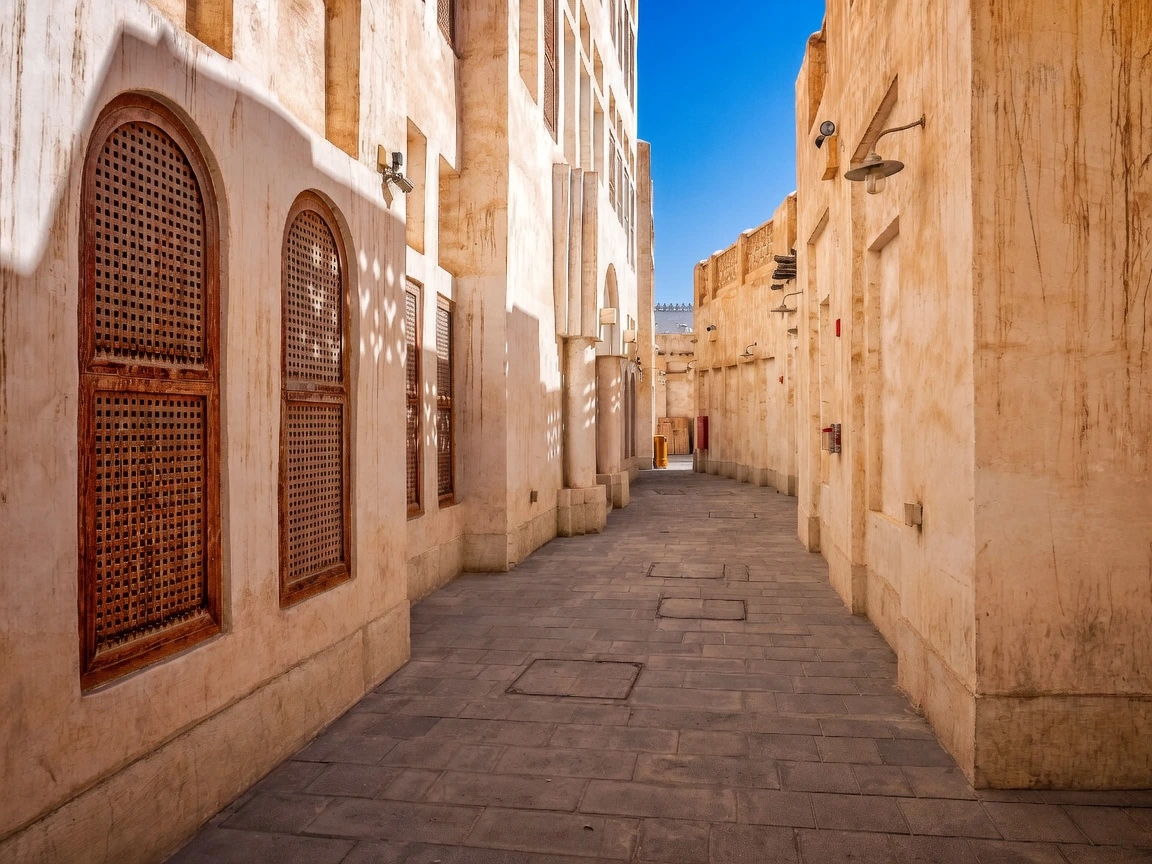
Souq Waqif: A few minutes on foot. The restored old market, at its best after dark.
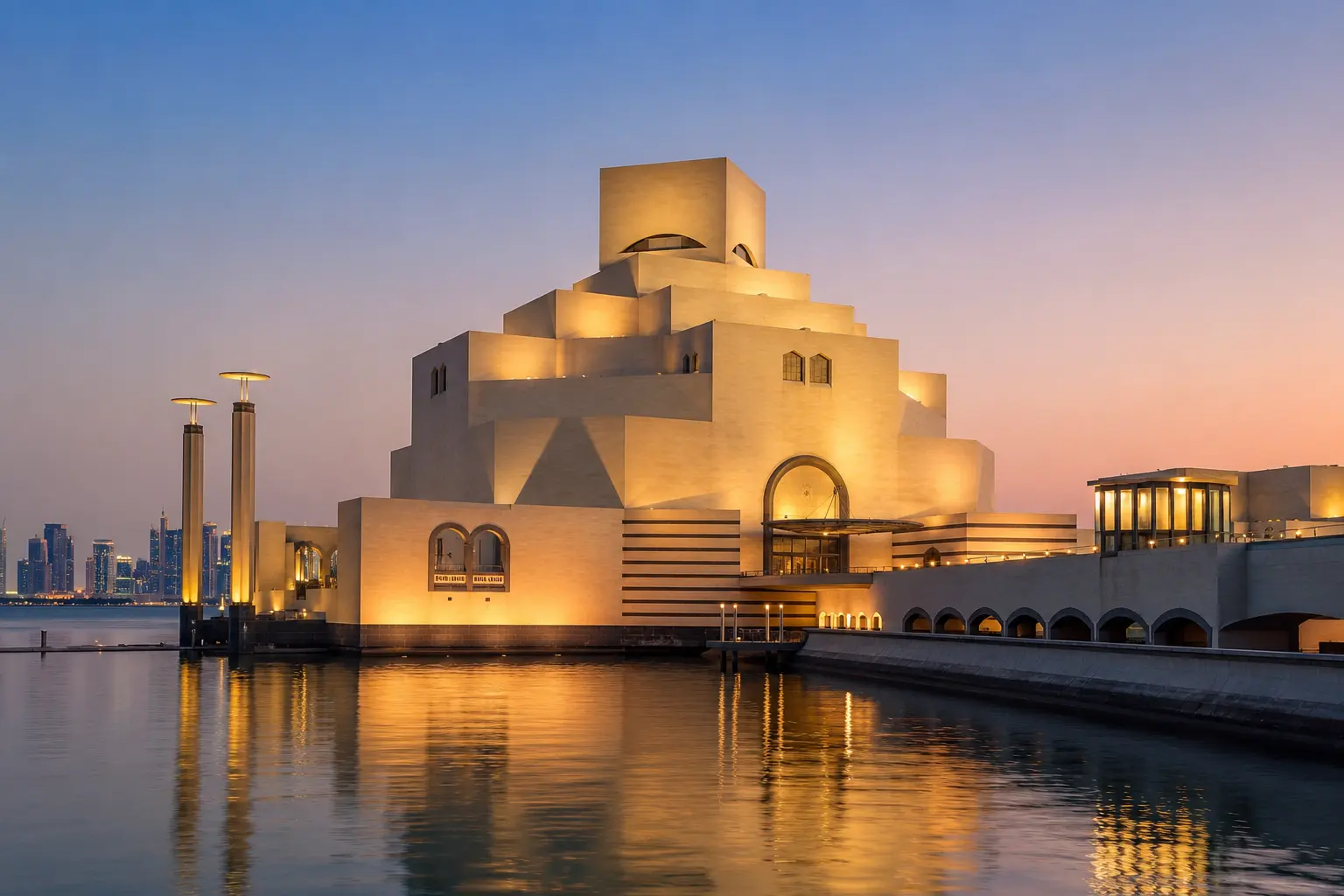
Museum of Islamic Art: A short walk or taxi south, on its own island at the end of the Corniche.
Doha Corniche: The waterfront promenade curving along the bay, right beside the centre.
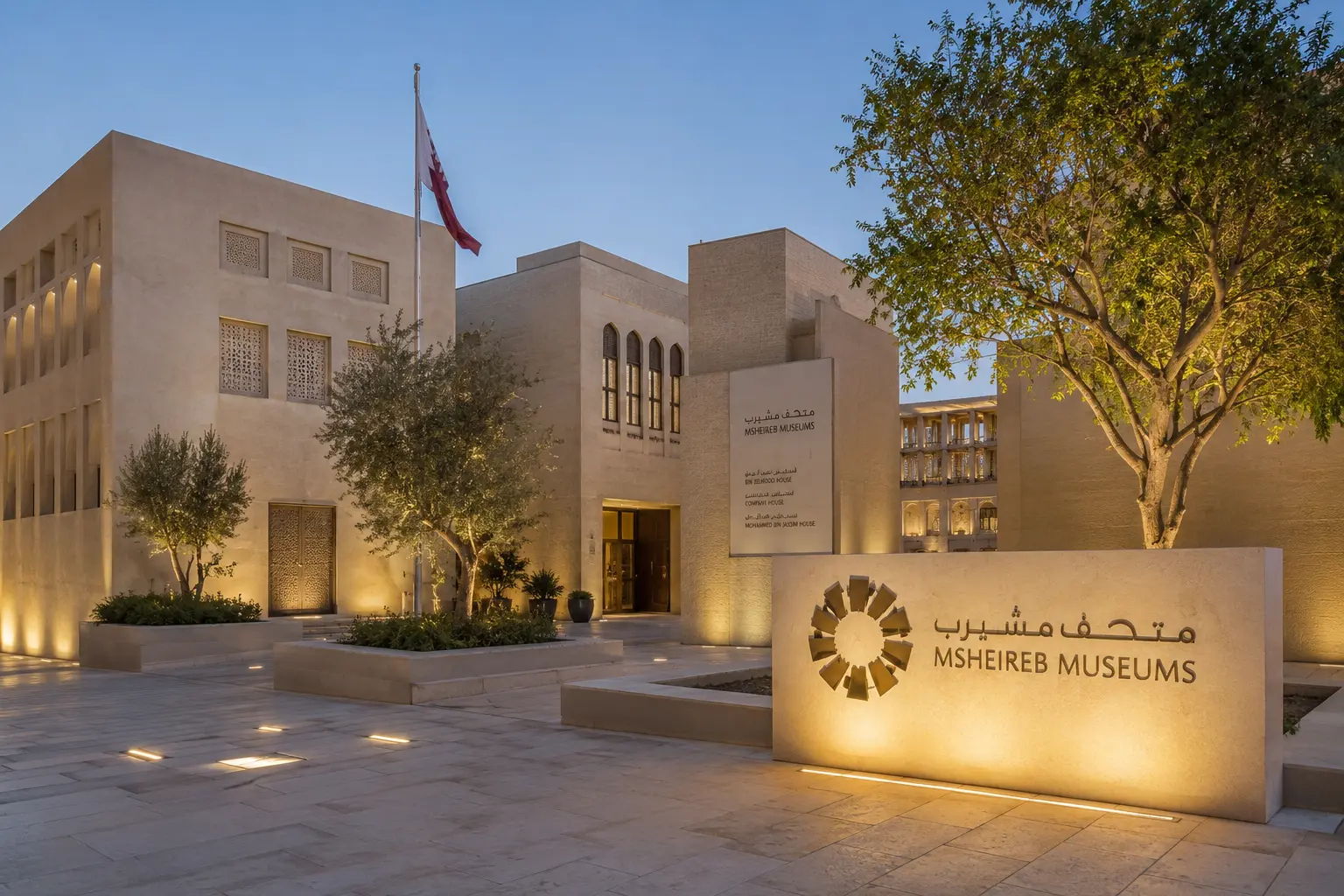
Msheireb Museums: Ten minutes away, four restored heritage houses telling Qatar's story, free to enter.
Al Koot Fort: On the edge of Souq Waqif, a restored early twentieth century fort.
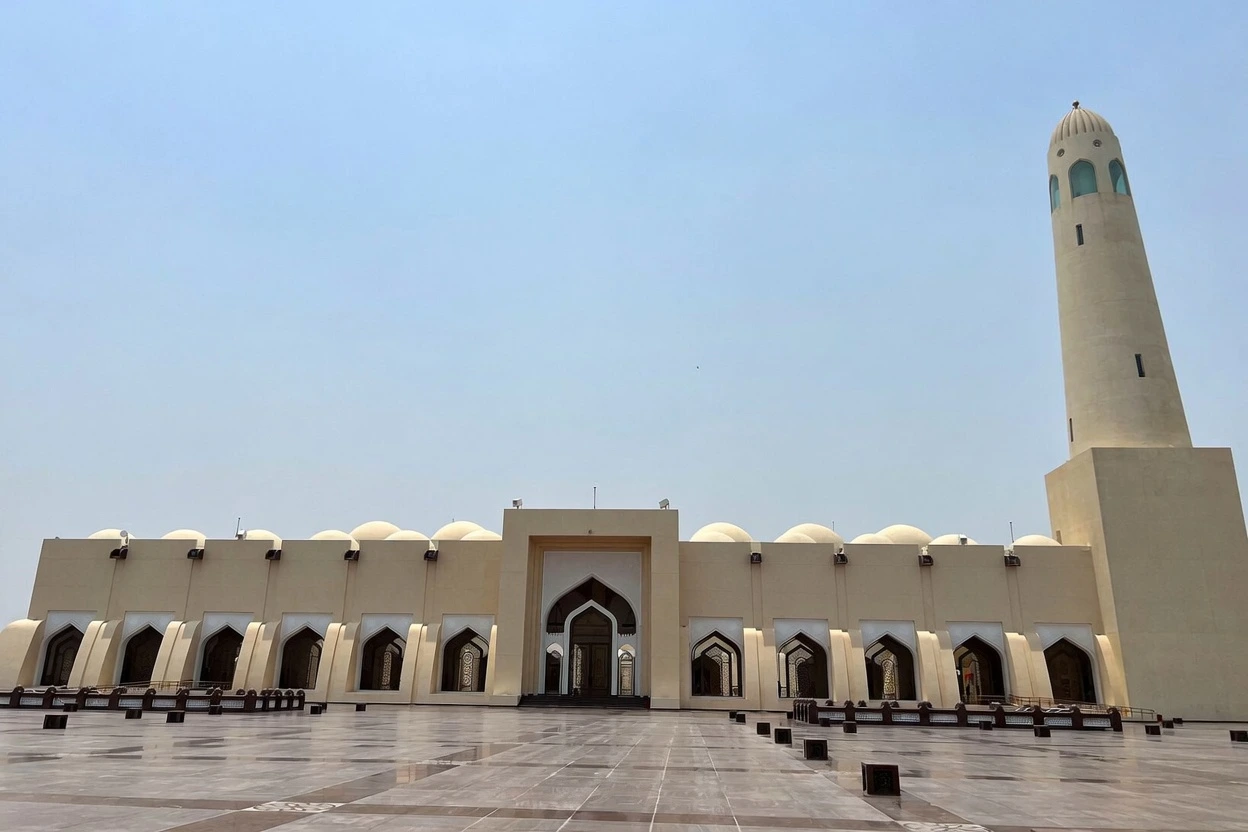
Qatar State Grand Mosque: The Imam Abdul Wahhab Mosque west of the centre, visited on Fanar's own tours.
Frequently Asked Questions
Explore Tours
No tours found for Museum of Islamic Art right now.