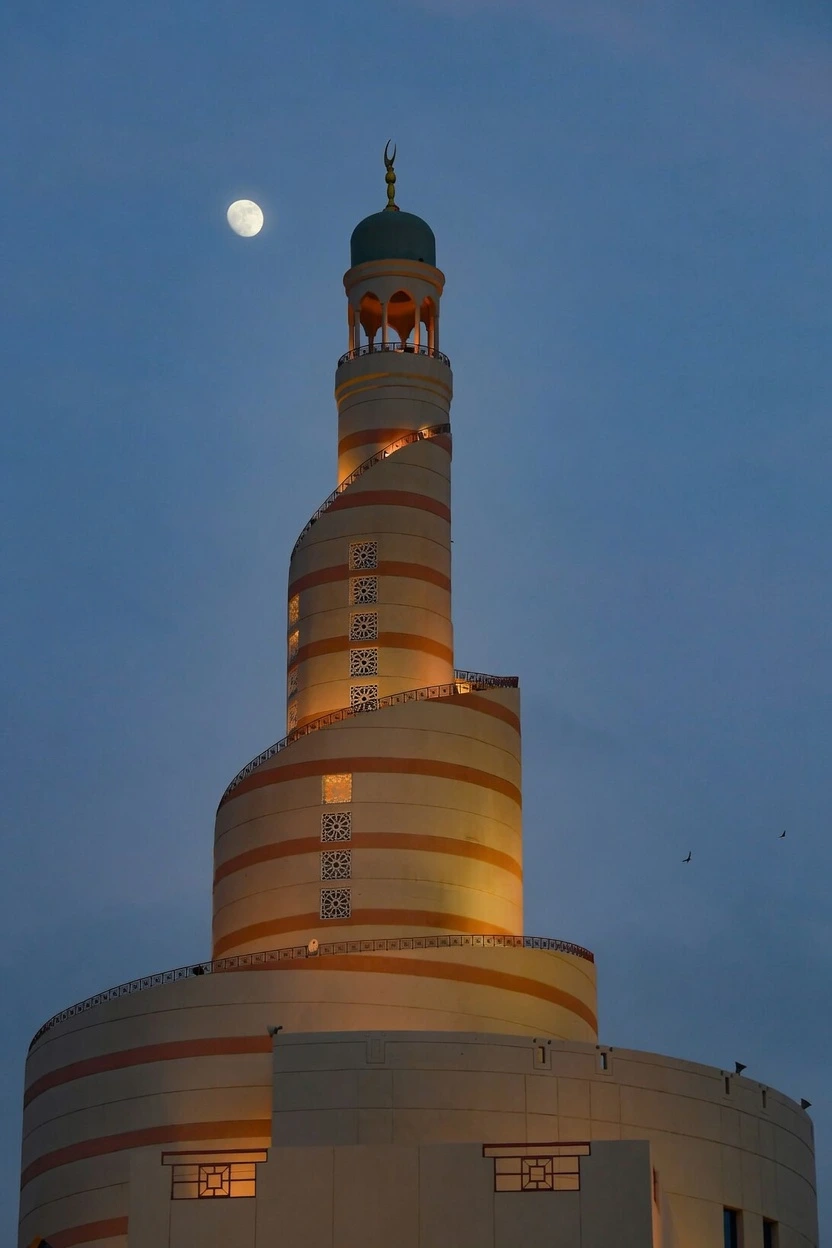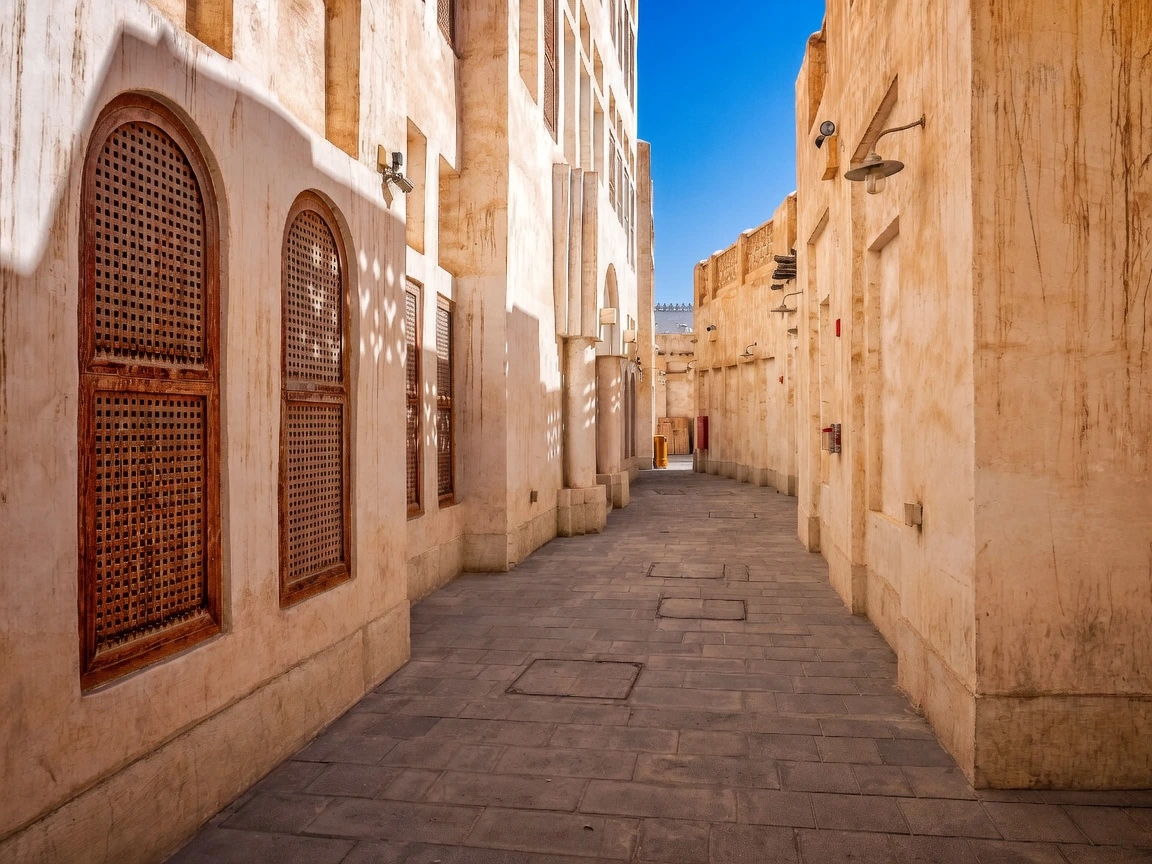

Imam Abdul Wahhab Mosque
Discover the Imam Abdul Wahhab Mosque
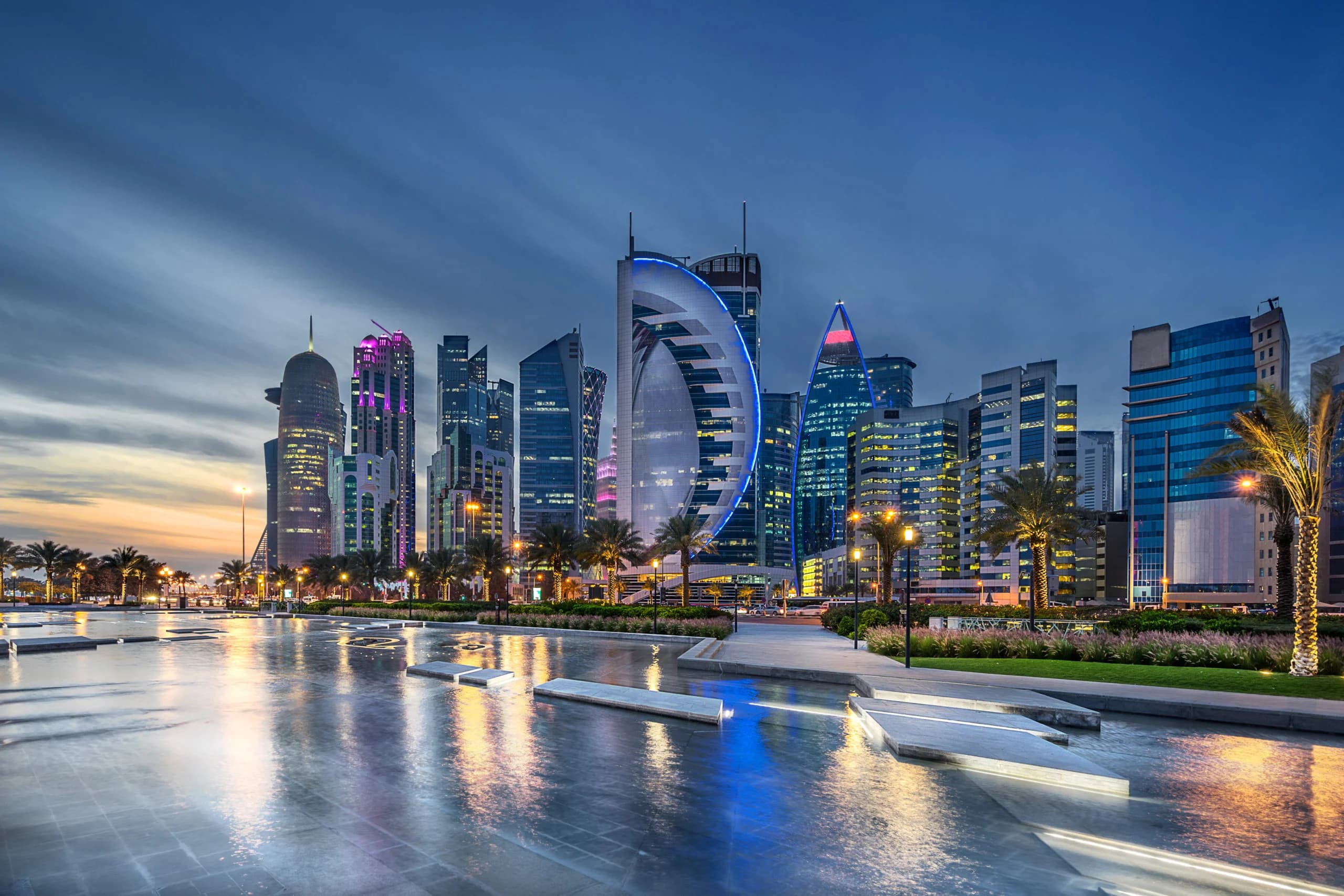
Come at dusk and the whole roof of the Qatar State Grand Mosque lights up. Rank after rank of small white domes catch the last of the sun, then switch to floodlit white against the dark, and from the towers of West Bay you can pick the Imam Abdul Wahhab Mosque out on the horizon from a distance.
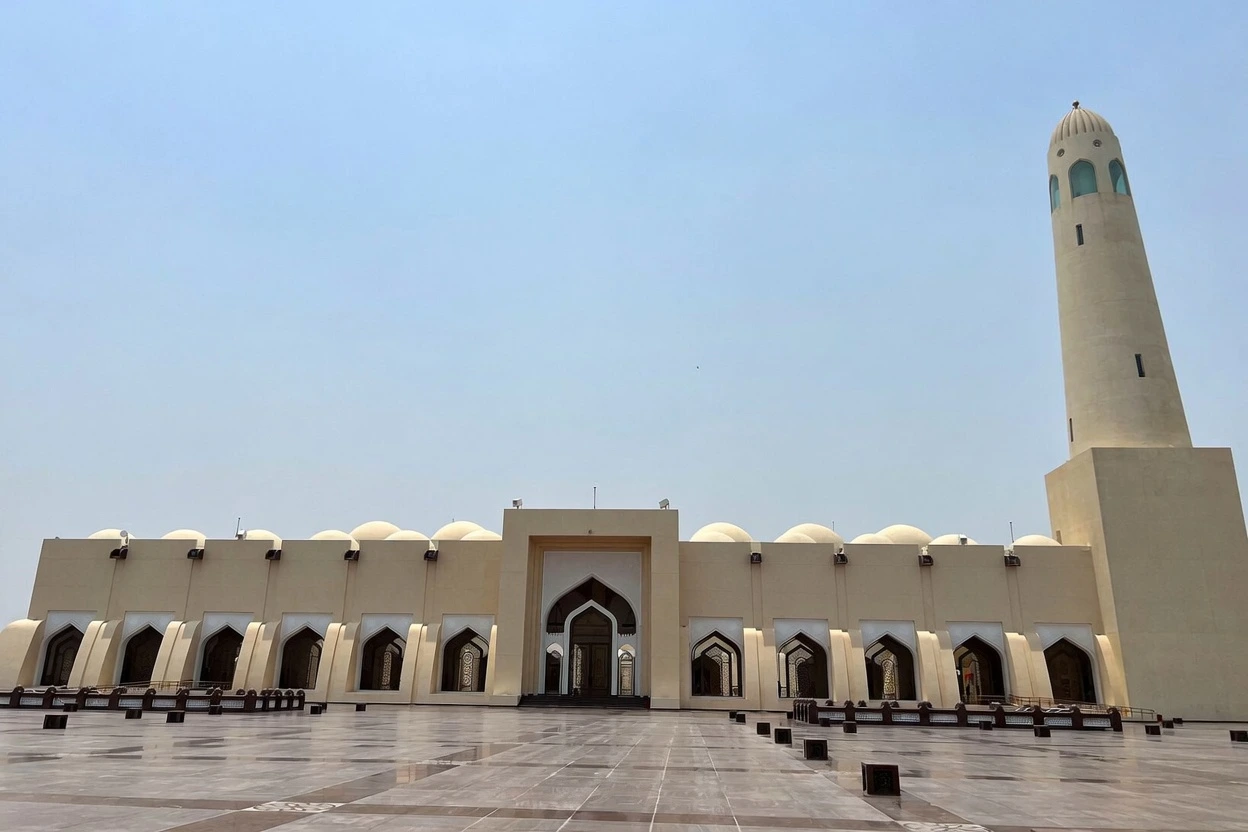
This is Qatar's national mosque, the Imam Muhammad ibn Abd al-Wahhab Mosque, set on a low rise in the Jubailat district of Doha just west of the city centre, looking out over Qatar Sports Club and the West Bay skyline beyond. It is the largest mosque in Qatar, and the Grand Mosque does not try to dazzle you with height or a single showpiece minaret. Its power is in repetition and scale: sandstone walls, plain arches, open courtyards, and a total of ninety three domes spread across an enormous roof.
Named after the eighteenth century reformer Imam Muhammad ibn Abd al-Wahhab and built by Qatar's founder Sheikh Jassim bin Mohammed Al Thani in memory of his father, the Qatar State Grand Mosque was inaugurated in 2011 and holds more than 30,000 worshippers. On Fridays and through Ramadan the Grand Mosque Doha fills with the city at prayer, and leading scholars come here to preach.
For visitors, the Imam Abdul Wahhab Mosque is one of the more approachable religious buildings in Doha. Entry is free, non Muslims are welcome outside prayer times, and organised Grand Mosque tours are recommended. Give it about an hour.
Why the Qatar State Grand Mosque Matters
The Qatar State Grand Mosque is the working heart of religious life in Qatar. Friday prayers at the Imam Abdul Wahhab Mosque draw thousands, the country's senior scholars deliver lectures and lead Tarawih prayers through Ramadan, and religious instruction runs year round. When Qatar marks a major religious occasion, it often happens under the domes of the Grand Mosque. You are not visiting a monument so much as stepping into the building where the country actually gathers.
The Grand Mosque Doha is also a clear statement in stone of how Qatar sees itself. The Imam Muhammad ibn Abd al-Wahhab Mosque was deliberately built in a pared back traditional Arab style rather than an ornate one, all sandstone and shade and repetition, echoing the simple architecture of the Gulf before oil. The fort like walls, the crescent tipped domes and the single minaret read as heritage rather than spectacle.
For a first time visitor, the Qatar State Grand Mosque is straightforward to approach with confidence. Entry is free, the etiquette is clearly set out, women are provided with what they need to cover, and a guided visit will walk you through both the building and the basics of Muslim worship without any pressure.
Known for: Qatar's national mosque and the largest mosque in Qatar, with ninety three domes
Setting: The Jubailat district of Doha, on a rise above Qatar Sports Club and West Bay
Named after: The eighteenth century scholar Imam Muhammad ibn Abd al-Wahhab
Built by: Qatar's founder Sheikh Jassim bin Mohammed Al Thani, in memory of his father, with the present Grand Mosque opened in 2011
Status: Free to enter, open to non Muslims outside prayer times, and Doha's principal place of worship
The Architecture of the Grand Mosque
From a distance the Qatar State Grand Mosque reads as a low sandstone fortress, all horizontal lines and mass rather than height, with a single minaret rising to one side. There is no soaring central dome and no ornate facade competing for attention. Instead the roof of the Imam Abdul Wahhab Mosque carries dozens of small domes laid out in disciplined rows that shade the halls and corridors beneath and give the whole structure its unmistakable texture from the air and from the surrounding towers.
Get closer and the details of the Grand Mosque are quietly traditional: crescents tipping the domes, simple pointed arches, earth coloured marble underfoot that stays cool through the summer, and shaded colonnades running along the open courtyards. The scale of the largest mosque in Qatar only becomes clear once you are inside the grounds, where the outdoor prayer areas open up around you and the run of domes overhead starts to register.
At night the Imam Muhammad ibn Abd al-Wahhab Mosque is at its best. The domes are lit white and the sandstone glows, which is why the Grand Mosque Doha appears so often in photographs taken from West Bay across the water.
Inside the Qatar State Grand Mosque
There is no fixed route for visitors, and a guided Grand Mosque tour will shape the experience for you. These are the parts of the Imam Abdul Wahhab Mosque worth noticing.
The Central Prayer Hall
The heart of the Qatar State Grand Mosque, an air conditioned hall that holds around ten thousand men, laid with deep carpet and lit by rows of simple chandeliers. It is deliberately uncluttered, so the space itself and the domes overhead do the work. This is where the main congregational prayers and Friday sermons at the Grand Mosque take place.
The Domes and Courtyards
The Imam Abdul Wahhab Mosque carries ninety three domes in total, with large ones covering the central hall and dozens of smaller ones running across the outer quadrangle and colonnades, some sitting above the prayer niche and prayer hall. The open courtyards between them serve as overflow prayer space and give the Grand Mosque its sense of air and light. Walking the shaded arcades around the edge is the best way to feel the size of the largest mosque in Qatar.
The Minaret and Mihrab
A single minaret rises above the Grand Mosque, understated by the standards of grand mosques elsewhere and in keeping with the building's restrained character. Inside, the mihrab marks the direction of prayer and is itself crowned with domes, the focal point the whole hall of the Imam Muhammad ibn Abd al-Wahhab Mosque is oriented towards.
The Women's Prayer Area
A dedicated prayer area accommodates around 1,300 women, kept separate from the men's hall in line with custom, with its own access and facilities. Note that photography is not permitted in the women's prayer area of the Grand Mosque.
The Libraries and Learning Spaces
Beyond the prayer halls, the Qatar State Grand Mosque houses three libraries and dedicated halls for Quran memorisation, part of its role as a centre for teaching and scholarship rather than prayer alone. Religious, social and cultural programmes run at the Imam Abdul Wahhab Mosque throughout the year, which is what keeps the building active well outside prayer times.
Visiting the Imam Abdul Wahhab Mosque Respectfully
Visit the Qatar State Grand Mosque outside prayer times, since access is closed to visitors during the five daily prayers and around Friday prayers in particular. Dress conservatively and cover the whole body: long sleeves and long trousers or skirts for everyone, with women covering their hair. Scarves and, where needed, abayas are provided at the Grand Mosque for women. Remove your shoes before entering and place them on the racks, keep your phone silent, and do not bring food inside the mosque. Photography is generally allowed around the building but is prohibited in the women's prayer area, and you should never photograph anyone at prayer. Note that children under the age of seven are not admitted to the Imam Abdul Wahhab Mosque.
Grand Mosque Tours and Guided Visits
Organised tours are the recommended way to visit the Qatar State Grand Mosque, especially for a first time or non Muslim visitor, since a guide handles the etiquette and explains the building and its role in Qatari and Muslim life.
The Abdulla Bin Zaid Al-Mahmoud Islamic Cultural Center, long known as Fanar, has run free guided tours of the Imam Abdul Wahhab Mosque during past tourist seasons, typically in several languages and pausing shortly before each call to prayer. These Grand Mosque tours are announced seasonally rather than fixed year round, so check directly with Fanar or Visit Qatar for current dates before relying on them. Independently of that, several licensed Doha tour operators include the Qatar State Grand Mosque on guided city itineraries and arrange transport, dress and guidance for you, which is the simplest option if a free tour is not running when you visit.
Qatar State Grand Mosque Visitor Essentials
Opening hours: The Qatar State Grand Mosque opening hours are widely reported as Saturday to Thursday 9am to 7pm and Friday from around 2pm to 7pm after prayers, with access paused during the daily prayers. These times are not officially fixed and shift with prayer times and Ramadan, so confirm before travelling.
Admission: Entry to the Imam Abdul Wahhab Mosque is free for everyone, Muslim and non Muslim alike.
Tours: Organised Grand Mosque tours recommended. Free seasonal tours have run through Fanar, and licensed operators offer guided visits year round.
Time needed: About an hour for the Grand Mosque, longer on a guided tour.
Dress: Conservative dress covering the whole body, with hair covered for women. Scarves and abayas provided at the mosque.
Etiquette: Remove shoes before entering, keep phones silent, and no food inside. Children under seven are not admitted.
Facilities: Prayer halls, ablution areas, three libraries, gardens and generous parking on site.
Access: Largely level, with marble floors and shaded colonnades. Ask staff about step free routes into the halls.
Photography: Generally permitted around the Grand Mosque, but prohibited in the women's prayer area and never of worshippers at prayer.
Good to know: The Qatar State Grand Mosque is spectacular after dark when the domes are floodlit, though evening access depends on prayer times, so plan around them.
Getting to the Grand Mosque Doha
Taxi: The simplest way to reach the Qatar State Grand Mosque, which is easily accessible by car or taxi. Roughly 20 to 25 minutes from Hamad International Airport and about 10 to 15 minutes from West Bay or the Corniche.
Car: The Imam Abdul Wahhab Mosque sits on Al Muhandiseen Street in the Jubailat district, with generous on site parking, which is how most visitors come. Arrive earlier around Friday prayers, when the Grand Mosque is busiest.
Metro: There is no Metro station at the Grand Mosque itself. The nearest practical approach is a ride towards West Bay followed by a short taxi, since the mosque sits inland from the Corniche.
Onward: West Bay and the Corniche are a short drive east, which makes the Qatar State Grand Mosque easy to pair with a waterfront afternoon.
Make a Half Day of It
The Qatar State Grand Mosque works best combined with West Bay and the waterfront rather than visited entirely on its own.
Aim for the late afternoon, when the light softens on the sandstone and the heat has dropped. Take a guided Grand Mosque tour if one is running, walk the courtyards and colonnades of the Imam Abdul Wahhab Mosque, and stay long enough to see the domes lit as the sun goes down, which is the view the Grand Mosque is famous for.
From there the Corniche and West Bay are a short taxi east, so you can follow the mosque with a walk along the waterfront and dinner with the skyline in front of you. If you are building a wider cultural day, Souq Waqif and the Museum of Islamic Art sit closer to the centre and pair naturally with a morning, leaving the Grand Mosque for the golden hour.
Stay Nearby
There is no accommodation at the mosque itself, and most visitors treat it as a short stop from a base elsewhere in the city.
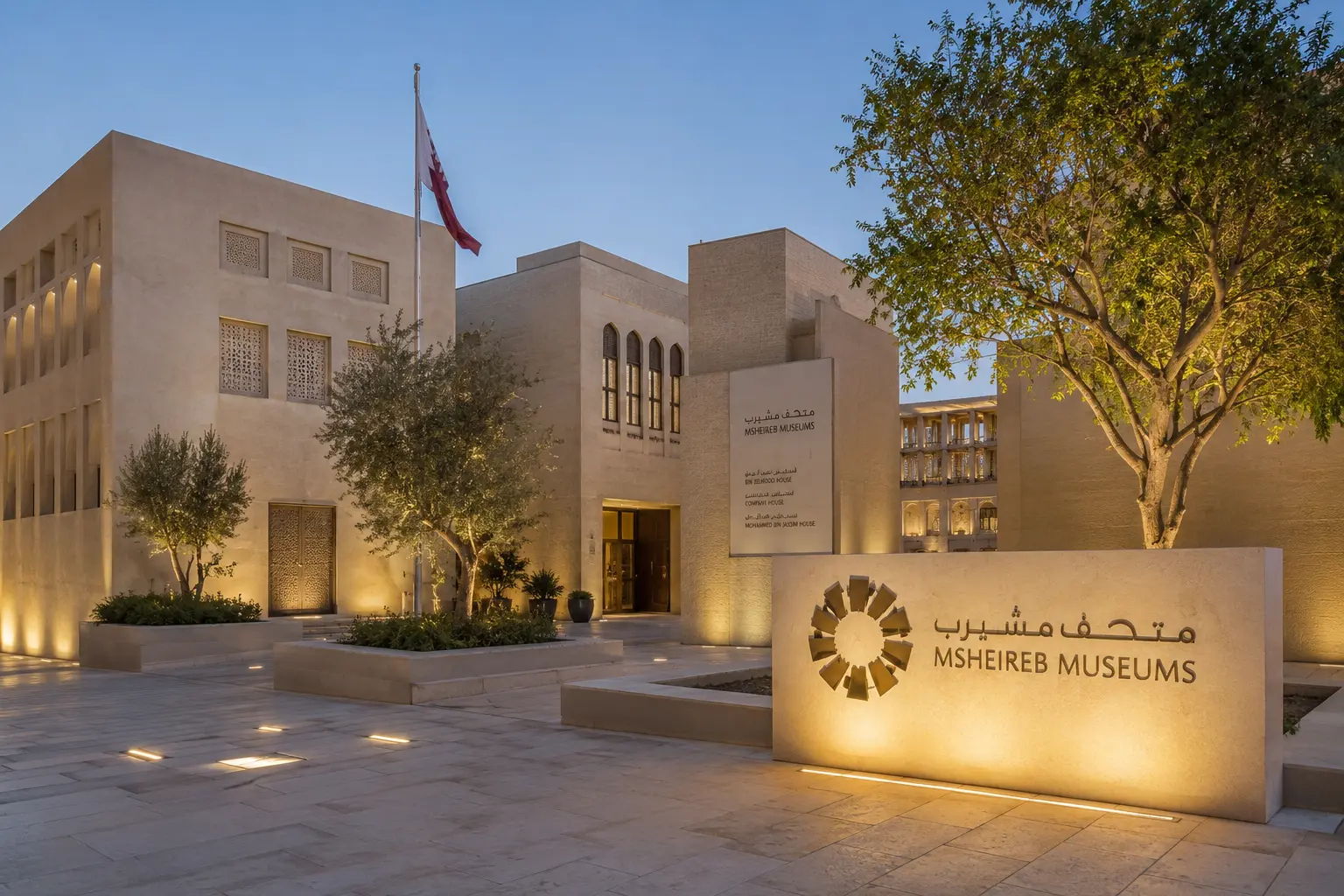
West Bay is the natural choice, only a short drive away with the skyline, the Corniche and plenty of dining on hand. The Msheireb and Souq Waqif area works equally well for a trip built around heritage and old Doha, and keeps the museums and the souq within easy reach.
Nearby Places to Visit
West Bay: A short drive east. Doha's high rise district, with the skyline the Grand Mosque looks out over.
Doha Corniche: The waterfront promenade curving along the bay, best in the cooler months.
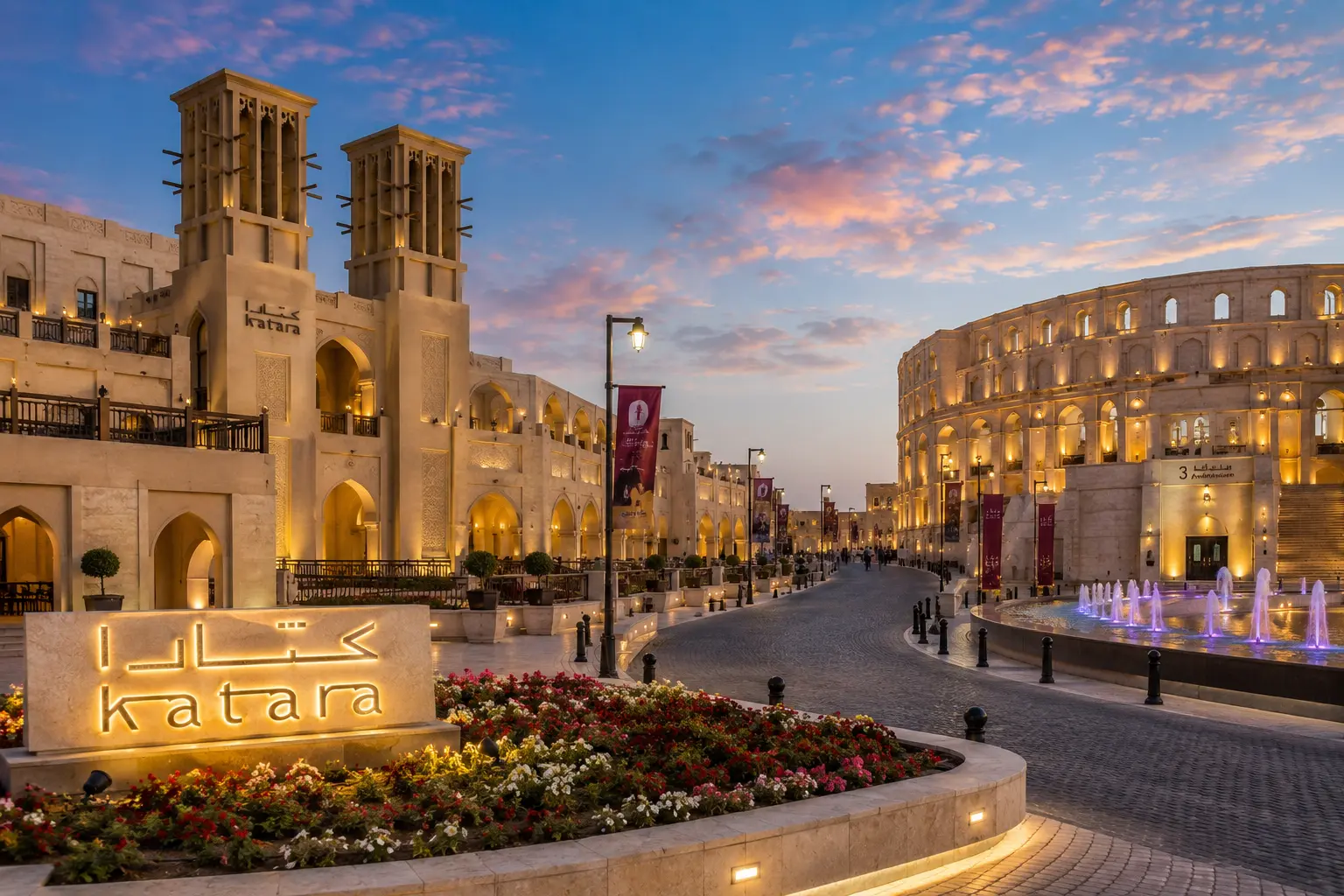
Katara Cultural Village: Coastal cultural district to the north, home to the Blue and Golden mosques.
Souq Waqif: The restored old market, at its best after dark and an easy pairing for the evening.
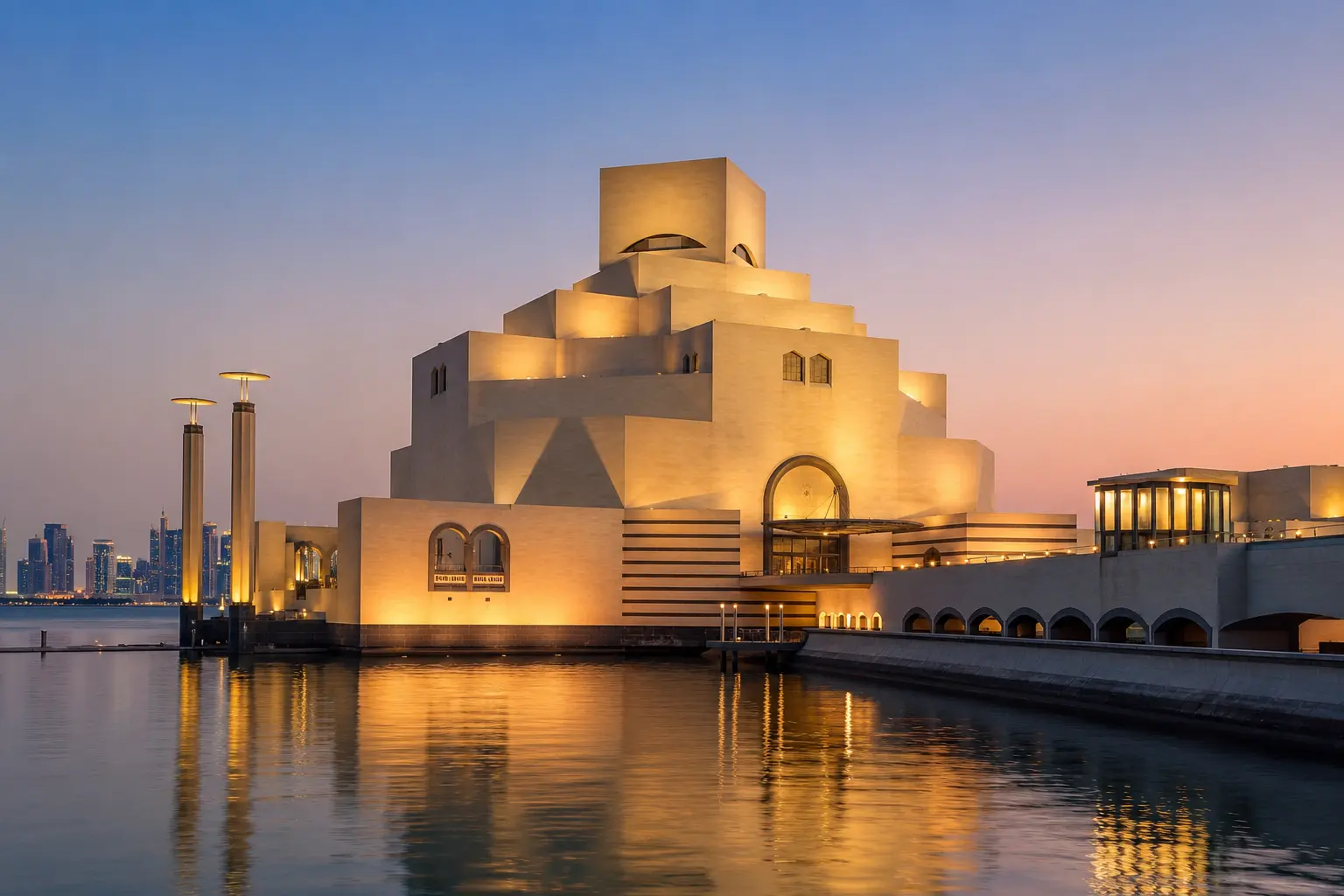
Museum of Islamic Art: On its own island at the southern end of the Corniche.
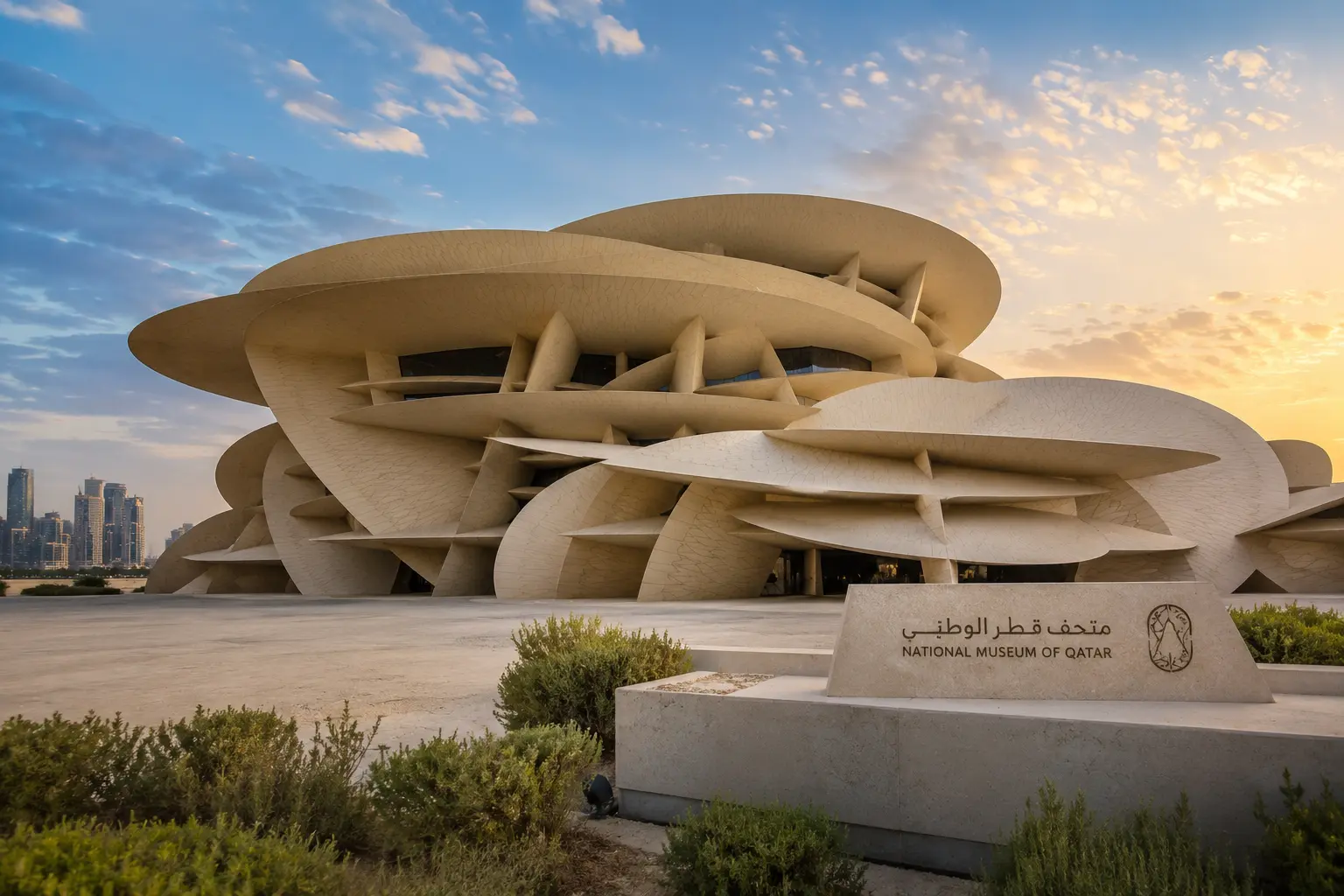
National Museum of Qatar: The desert rose landmark telling the story of Qatar itself.
Frequently Asked Questions
Explore Tours
No tours found for Museum of Islamic Art right now.