

Doha Travel Guide for Saudi Visitors: Everything to Plan Your Trip in 2026
Posted on:
July 30, 2026
The trip to Doha starts long before the skyline appears. For most Saudi families it starts on Salwa Road with the boot packed and the children asking how much further. This Doha travel guide for Saudi visitors covers the whole journey, from the documents you need at the border to what a weekend actually costs once you are there.
Doha suits Saudi travellers better than almost any other short trip in the region. Food is halal as standard, so there is no menu checking. Prayer rooms are built into malls, museums and parks. Modest dress needs no explanation to anyone. Add a land border you can reach in a morning and the whole thing becomes a decision you make midweek rather than a holiday you plan for months.
What follows is the complete picture: entry rules for citizens and residents, how the drive really works, the insurance rule that catches families out, where to stay, what to do with children of every age, and honest numbers on cost. Our Abu Samra border crossing guide handles the crossing itself step by step, and this guide handles everything either side of it.
Doha at a Glance for Saudi Visitors
Entry document: Saudi citizens enter Qatar on a national ID card with no visa required. Children travel on their own ID documents, and there is no application, fee or waiting period involved.
Land border: Abu Samra is Qatar's only land crossing, sitting at the southern tip of the country around 80 km from Doha. It connects directly to the Salwa crossing on the Saudi side.
Drive time: Allow roughly an hour from the border into central Doha once you are cleared. The road is open highway and easy driving.
Currency: Qatar uses the Qatari riyal, which sits close in value to the Saudi riyal. Prices feel familiar and the mental maths stays simple.
Language: Arabic is spoken everywhere, and English is widely used in hotels, restaurants and attractions.
Best months: November through March is the comfortable season for outdoor time, with December to February the peak of it.
Ideal trip length: Two nights covers a proper weekend. Four nights lets you add the desert and a beach day without rushing anything.
Driving side: Qatar drives on the right, exactly as at home, with familiar road signage and similar highway design.
Do Saudi Visitors Need a Visa for Qatar?
This is the first question every family asks, and the answer is simpler than most websites make it. It does, however, split in two depending on which passport you hold.
If You Hold a Saudi Passport
You do not need a visa. Nationals of the GCC countries, Saudi Arabia included, enter Qatar without one. Your national ID card is sufficient at the land border, and the same applies to your children on their own ID documents. There is no application to complete, no fee to pay, and no processing time to plan around.
Carry a passport anyway if you have one. It smooths hotel check-in, helps if you decide on onward travel, and costs nothing to keep in the glovebox. Entry rules do get revised from time to time, so a glance at the Visit Qatar visa requirements page before you set off is worth the two minutes.
If You Live in Saudi Arabia on Another Passport
This part matters to a very large number of families driving out of Riyadh, Jeddah and Dammam. If you hold Saudi residency but an Indian, Pakistani, Filipino, Egyptian or other passport, you are a GCC resident rather than a GCC citizen, and you need an entry permit for Qatar.
You have two routes available. The first is a visa on arrival for GCC residents, issued at the border for a short stay. The second is applying online in advance through the Hayya platform under the GCC resident category. Both are straightforward on paper, but they carry very different levels of risk.
The complication with the on-arrival route is the profession listed on your residency card. Eligibility is tied directly to that field, the approved list gets reviewed periodically, and border staff verify it. Families have been turned away at the gate over a job title that did not match. Applying online in advance gives you a confirmed answer before you load the car.
Our recommendation: Apply ahead if anyone travelling with you is a resident rather than a citizen. The extra day of admin is a small price for certainty when you have children in the back seat and five hours of driving behind you.
Hayya Pre-Registration and Your Vehicle
The Hayya portal does more than handle visas. It also lets visitors pre-register the vehicle they are bringing into Qatar, and that single step saves more time at Abu Samra than anything else on this page.
Pre-registered vehicles use a dedicated fast lane at the border. You submit your car details and passenger information before you travel, and you arrive with everything already sitting in the system. On an ordinary weekend that means a noticeably shorter queue. On a public holiday or the first day of a school break, it can be the difference between an hour and most of a morning.
Pre-registration is free and takes a few minutes. There is no sensible reason to skip it.
Getting to Doha from Saudi Arabia
Driving Through Abu Samra
Abu Samra sits at the southern tip of Qatar, roughly 80 km from Doha, and it is the country's only land border crossing. The Salwa crossing on the Saudi side feeds straight into it. Once you clear both sets of formalities, Doha is about an hour of open highway with good road surface the whole way.
Timing shapes the entire experience. Thursday evenings, the first morning of a long weekend, and the days around Eid are the heaviest windows. Early weekday mornings and mid-afternoon Fridays are usually the calmest. Have your ID documents, vehicle registration and insurance confirmation ready before you reach the first booth, because searching through a bag at the window slows the queue behind you and does nothing for your own patience. Our Abu Samra border crossing guide walks through the full sequence booth by booth.

Flying to Doha
Flying makes sense more often than families assume. Direct services run from Riyadh, Jeddah and Dammam into Hamad International, and the flight time from Riyadh or Dammam is short enough that you land before you would have reached the border by road. Hamad itself is one of the easiest airports in the region to move through with children.
Flying suits you if: Your trip is two nights or less, you are travelling as a couple or with one child, you are going in July or August, or nobody in the family wants to face a long drive home on a Saturday night.
Driving suits you if: There are four or more of you, you want your own car available throughout the trip, you are carrying a lot of luggage, or you are treating the drive itself as part of the holiday.
Which Option Suits Your Trip
Family size: Driving wins clearly from four people upwards. Flight costs multiply with every seat, while fuel and insurance stay flat regardless of how many are in the car.
Luggage: Driving is the easier option by some distance. There are no weight allowances, no repacking at check-in, and no restrictions on what you bring back.
Trip length: Flying makes sense for one or two nights, when the drive would eat a meaningful share of your time. Driving wins from three nights upwards.
Total cost: For a family, driving usually works out cheaper once you account for fuel, border insurance and the absence of airport transfers at either end.
Flexibility on arrival: Driving gives you a car in Doha from the moment you arrive, which matters for the waterparks and anything outside the centre. Flying means relying on the metro, taxis or a rental.
Driving in Qatar and Renting a Car
This is the section most guides handle badly, and getting it wrong costs you time and money at the border.
Your Saudi insurance does not cover Qatar: GCC policies stop at the border, without exception. Qatar requires its own local third party cover for every foreign vehicle entering the country, and you are expected to have it arranged before you present the car for inspection.
Arrange cover online before you travel: Since February 2026, insurance for foreign vehicles entering through Abu Samra is handled through Qatar's official online platform, with short term options covering one to two weeks and longer options from a month upwards. Buy it in advance. Reports differ on whether short term cover can still be purchased on the spot at the border, so treat the gate as a fallback you should never actually need. Check current pricing on the official platform, since rates vary by vehicle type and duration.
Your Saudi licence is recognised: GCC issued licences are accepted for visitors driving in Qatar, and you do not need an international permit alongside one. Carry your national ID or passport as proof of entry together with the licence. Sources describe the permitted period for visitors differently, so if you are planning to stay longer than a few weeks, confirm the current rule before you travel.
On the road: Speed cameras are widespread and strictly enforced, roundabouts are common, and fines attach to the vehicle rather than the driver. Fuel is inexpensive by regional standards at around $0.55 a litre (about QAR 2), so it rarely dominates a travel budget. Child seats are required for young children, and children under ten should not travel in the front seat.
Renting instead of driving in: If you fly, or you would rather not put your own car through the border process, renting locally is simple. Rental desks operate at Hamad International and across the city, and a small car handles Doha's short distances comfortably. Check current pricing, because weekend and holiday rates move considerably.
Best Time to Visit Doha
Doha Weather Month by Month
Doha's year splits cleanly into two halves, and knowing which half you are travelling in shapes every other decision on this page.
November to March: This is the good season. Days are warm rather than hot, evenings are cool enough for a jacket, and the Corniche, the beaches and the parks are genuinely enjoyable. It is also when hotels are busiest and rates are highest, so book early.
April and October: The shoulder months sit in between. Mornings and evenings remain pleasant while the middle of the day turns hot. Plan outdoor activities around the edges of the day and use the hottest hours for museums or malls.
May to September: Summer is hot with high humidity, particularly through July and August. This does not rule out a trip, it simply flips the schedule. Indoor attractions and play centres fill the daytime, and the waterfront comes alive after sunset.
Ramadan, Eid and School Holidays
Ramadan changes the rhythm of the city. Daytime hours shorten at many attractions and restaurants, and Doha becomes an evening destination that runs late into the night after iftar. Some families love it for exactly that atmosphere. Others find it difficult with young children who need a normal routine. Neither view is wrong, but decide deliberately rather than arriving surprised.
Eid is the single busiest window for Saudi visitors to Doha. Hotels fill, room rates climb sharply, and border queues lengthen at both ends of the holiday. Book accommodation weeks ahead rather than days, and cross early in the morning if you can.
Saudi school holidays follow the same pattern on a smaller scale. If your dates are fixed by term times, it is worth remembering that everyone else's are too.
Planning Around Events
Doha hosts a heavy calendar of sporting and cultural events, and a single major weekend can absorb most of the city's hotel stock. This cuts both ways. If the event is your reason for coming, book accommodation as soon as dates are announced. If it is not, check the calendar before fixing your dates so you are not paying event rates for an ordinary weekend. Our guide to sports events in Doha sets out what lands when.
No Doha results found for this spot.
Where to Stay in Doha
Best Areas for Families
Doha is compact, so no district is truly far from anything. What changes between them is the walk to dinner, the drive to the waterparks, and how much you pay for a view.
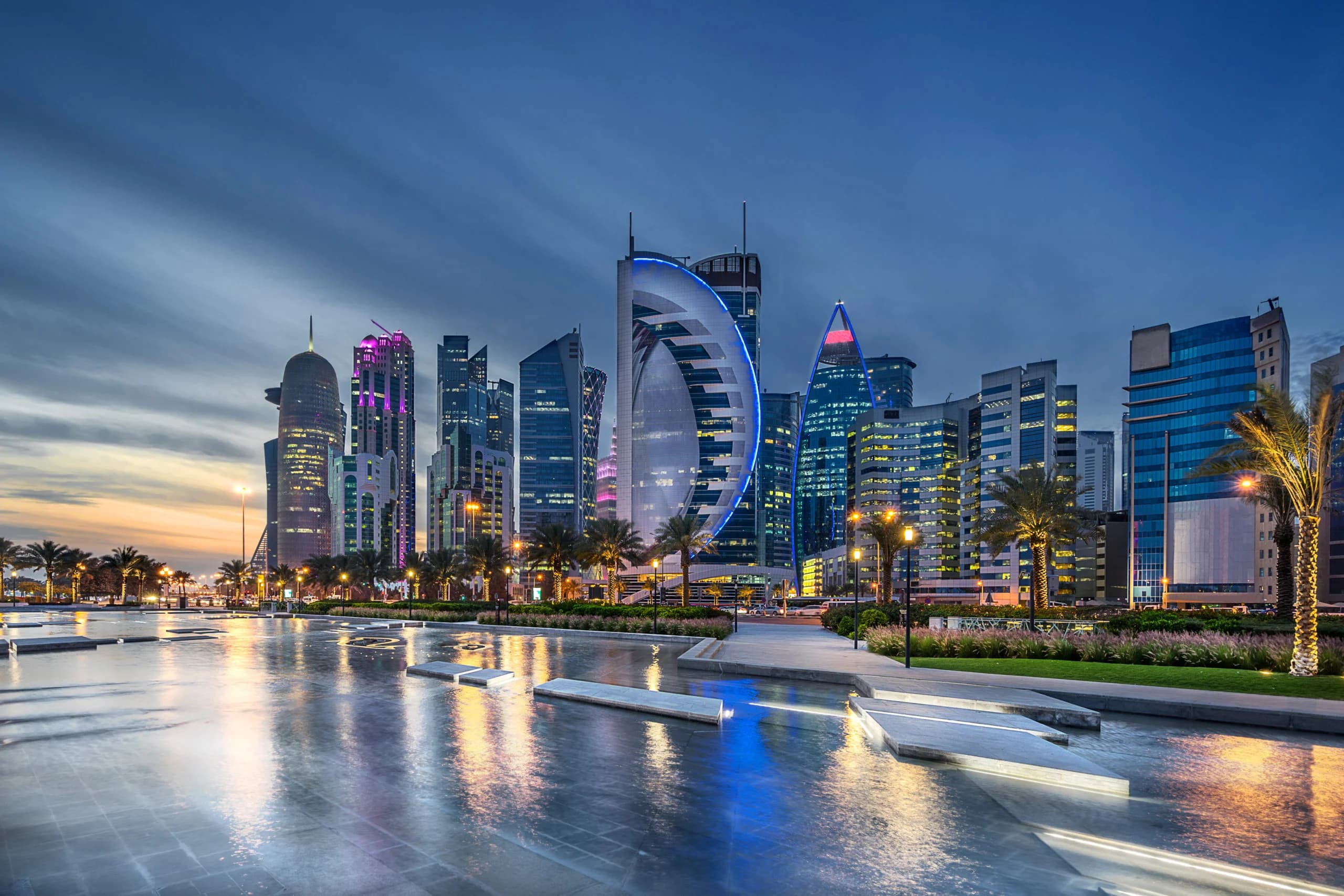
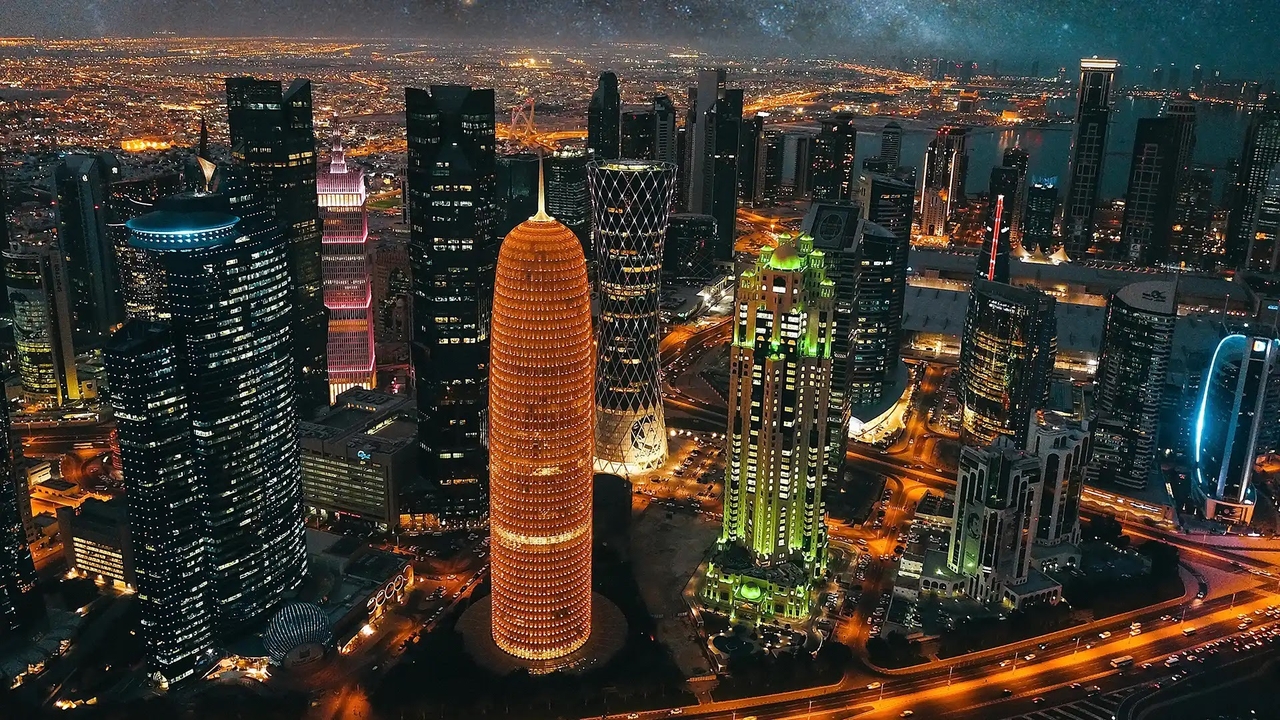
West Bay: Central, walkable and directly on the Corniche, this is the easiest base for a first visit. You are close to the waterfront, well connected by metro, and within a short drive of most of the city. The trade off is price, since this is where rates climb fastest on a weekend.
Lusail: Newer and quieter than the centre, with wide roads, modern developments and easy parking. It is well placed for the waterpark and the northern attractions, and it works best if you have your own car. Families who have driven in often find it the least stressful base.
Msheireb: The restored downtown district, sitting on the metro interchange and a short walk from Souq Waqif. Strong choice for a short trip where you would rather not drive at all. Evenings are simple here, since dinner at the souq is a walk rather than a journey.
The Pearl: Relaxed and upscale, with waterfront dining, marina views and open promenades where children can move around safely. Better suited to longer stays than a quick weekend, mainly because it sits away from the main sights and you will drive for most of them.
Al Sadd: More local in feel and better value than the waterfront districts, with easy access to malls, restaurants and hospitals. Sensible when budget matters more than a view. Rooms here are often larger for the money, which counts with a bigger family.
A simple rule: Book West Bay or Msheireb for a first, short trip. Choose Lusail or Al Sadd when you have a car and want better value.
What to Look For When Booking
Connecting or family rooms: Worth asking the hotel about directly. Many Doha properties offer them, but they often do not appear in standard booking filters, so a quick message before you reserve can save a cramped weekend.
Halal dining on site: Standard across Qatar, so this is rarely a constraint. It is still worth confirming at international chain hotels that operate a licensed venue alongside their restaurants.
Pool and beach arrangements: If your family wants a private or women-only option, ask before booking rather than discovering the arrangement on arrival. Resort properties are generally the ones set up to accommodate this.
Distance to the metro: A hotel within walking distance of a station meaningfully reduces how much you need the car, which matters if you have driven in and would rather leave it parked.
Timing and rates: Prices rise sharply on weekends, through Eid weeks and around major events. Book early and compare family hotels in Doha against your exact dates rather than assuming a headline rate applies.
Things to Do in Doha
Doha packs a great deal into a small area, which is precisely what makes short trips work here. Most of the city's highlights sit within twenty minutes of each other. What follows is the overview, with fuller guides linked where they exist.
Culture and Heritage
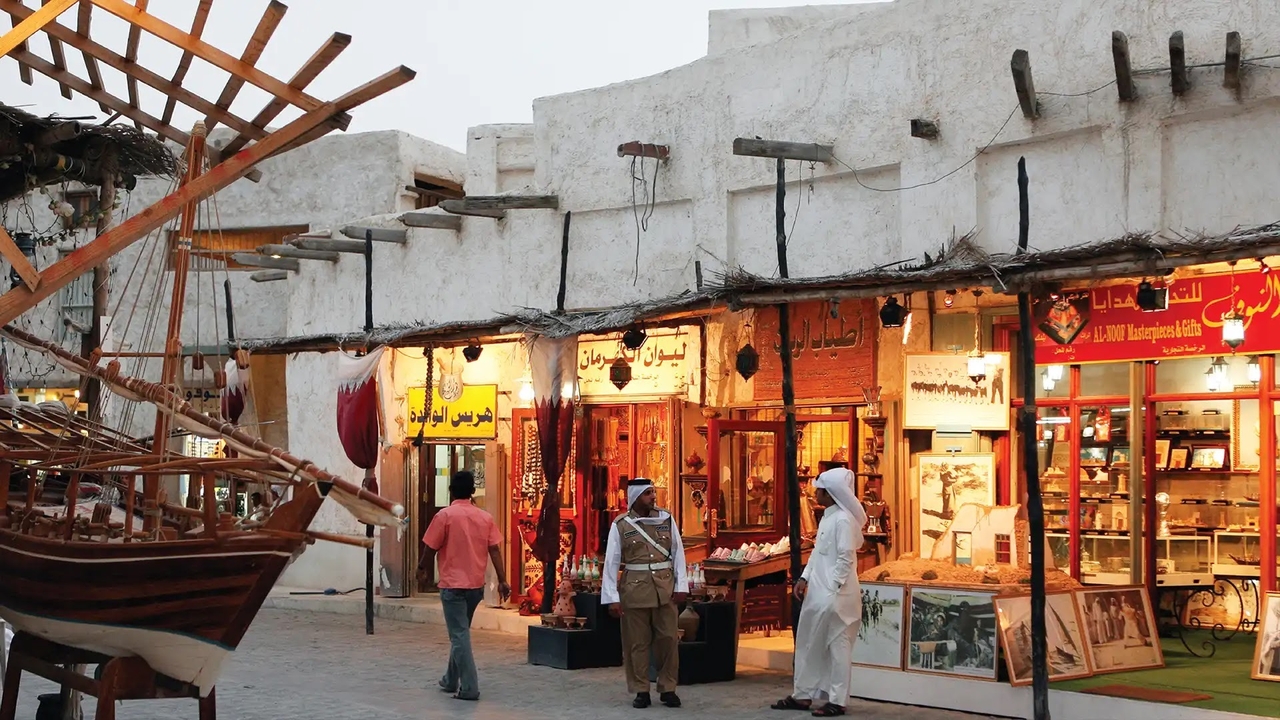
Souq Waqif is the heart of the old city and it is at its best after sunset, when the falcon souq, the craftsmen's workshops and the open air restaurants all come to life. The Imam Muhammad ibn Abd al-Wahhab Mosque, Qatar's state grand mosque, welcomes visitors outside prayer times and carries genuine meaning for Saudi families given the shared heritage behind its name. Robes and scarves are provided at the entrance for anyone who needs them.
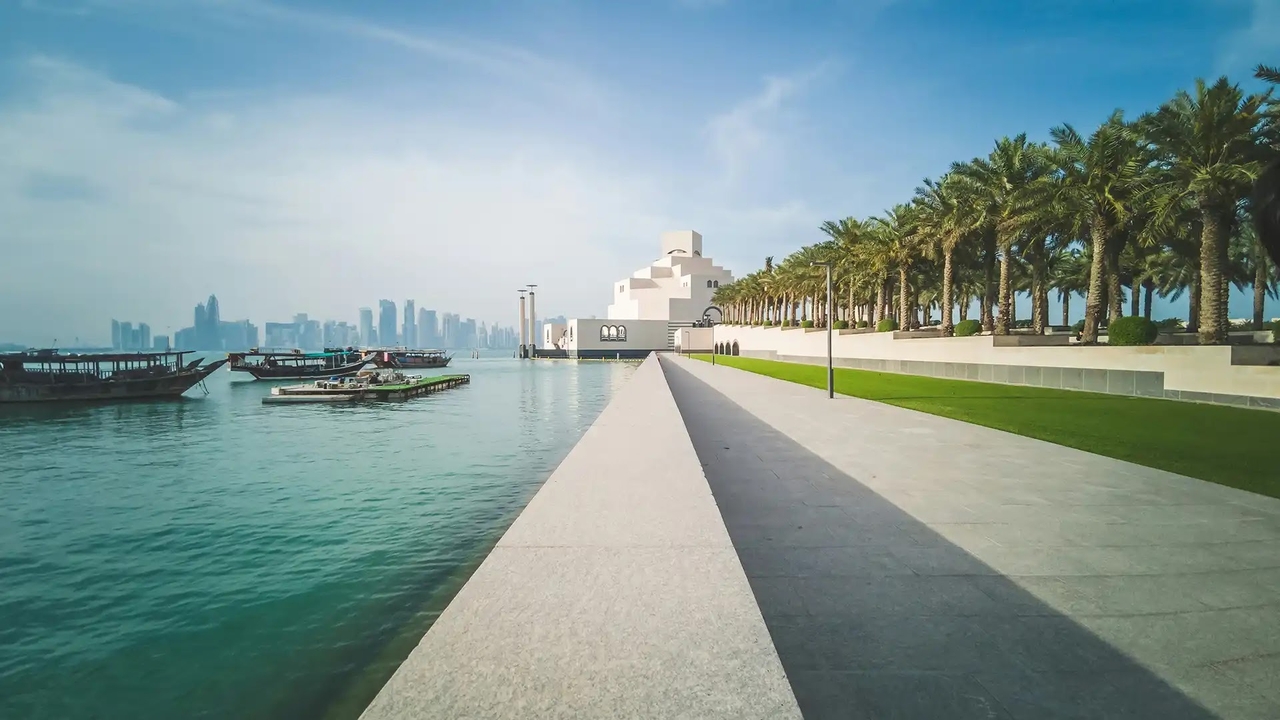
The Museum of Islamic Art and the National Museum of Qatar are each worth a half day, and both are designed with children in mind more than their architecture suggests. Katara Cultural Village brings galleries, performances, a mosque and a beach together in one walkable area. If you would rather cover the main sights with transport and a guide arranged for you, you can book a Doha city tour in advance.
Family and Kids
Doha does indoor entertainment unusually well, which matters for roughly half the year. Play museums, role play cities and mall entertainment centres cover the younger ages, while older children and teenagers get climbing walls, karting circuits and large arcades. Our guide to family things to do in Doha for Saudi visitors works through the options by age group.
Theme Parks and Waterparks
The headline names are Meryal Waterpark in Lusail, Desert Falls near the Salwa road, and Doha Quest, the large indoor theme park at Msheireb. For Saudi families, the waterparks run regular women-only ladies' days and accept modest swimwear as normal, which makes planning a family day out straightforward rather than something to negotiate. Full detail on tickets, ages, timings and ladies' day schedules sits in our guide to theme parks and waterparks in Doha for Saudi families.
Desert and Outdoors
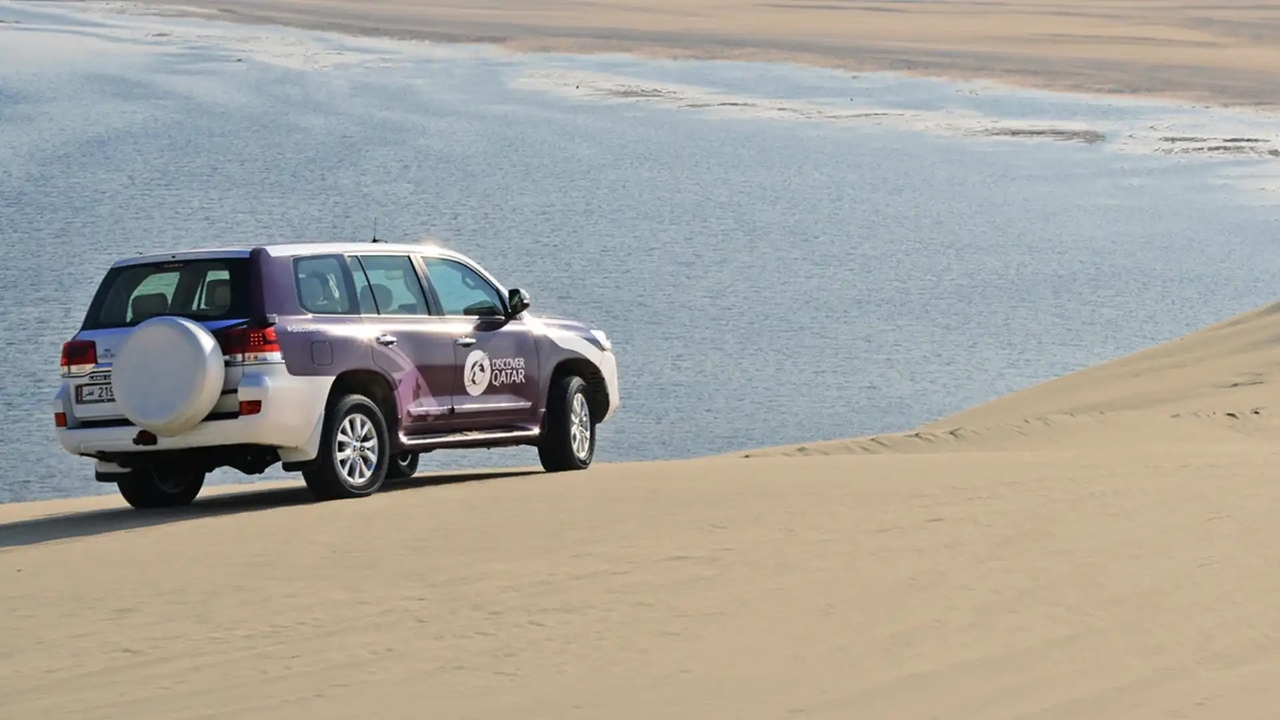
The Inland Sea, where the dunes run directly into the water near the Saudi border, is Qatar's signature landscape and one of the few places in the Gulf where you see it. A half day dune drive with a short camel ride is the standard family version, and it works well with children who would find a full day too long. Our Doha desert safari guide covers how to choose a trip and what to expect on the day.
No Doha results found for this spot.
Shopping and Malls
Villaggio: Built around a Venetian canal with gondola rides and an indoor ice rink, this remains the most entertaining mall in the city for children. Parents can shop while the family is genuinely occupied.
Place Vendôme: Newer and more upscale, with dancing fountains, canals and a family fun park attached. Good for an afternoon that combines shopping with something for the children.
Mall of Qatar: Large, central and easy to reach, with a substantial play zone and a broad mix of shops. A reliable wet weather or hot weather fallback.
Doha Festival City: The biggest of them all, with Angry Birds World and Snow Dunes attached, which turns a shopping trip into a full day out.
For a fuller run through the city's landmarks and sights, our guide to places to visit in Doha for Saudi families goes considerably deeper.
Sample Trip Plans
One night: Arrive in the afternoon, walk the Corniche as the sun goes down, and have dinner at Souq Waqif. Spend the following morning at a museum, then drive home after lunch.
Two nights: Add a full family day built around either a waterpark or one of the indoor parks, followed by an evening at Katara or The Pearl for dinner by the water.
Four nights: Add a desert half day, a beach morning while the weather is cool, and one deliberately empty day with nothing scheduled at all.
Our Doha weekend itinerary for Saudi families maps the two night version hour by hour if you would rather have the planning done for you.
Tours and Packages: What Is Worth Booking
Not everything needs booking in advance, and pre-paying for experiences you could simply walk into is how trips quietly get expensive.
Worth booking ahead: Desert safaris, dhow cruises, guided city tours and anything falling on a weekend or during an Eid week. These genuinely sell out, and the best time slots go first.
Not worth booking ahead: The Corniche, Souq Waqif, the public parks, the beaches and most museums. Walk in and keep your schedule flexible.
How to judge a package: Check what transport is included, whether hotel pickup is offered, how long the actual activity runs against the total time quoted, and whether the group size suits a family. A cheap tour with two hours of round trip driving attached is not the bargain it appears to be.
For desert trips specifically, our guides on what is included in a desert safari and choosing between a half day, full day or overnight safari will save you from a poor booking. When you are ready, you can book Doha tours and day trips directly.
Food, Prayer and Everyday Comfort
Food is halal across Qatar as standard, so there is no menu checking, no awkward questions and no need to research restaurants in advance. Family sections are common, particularly outside the hotel scene, and staff are entirely used to families arriving late with tired children.
Prayer rooms are built into malls, museums, parks and attractions, so you will rarely be more than a few minutes from one. Prayer times are posted publicly, shops pause briefly, and the daily rhythm runs on exactly the assumptions your family already lives by.
Dress expectations are relaxed but real. Shoulders and knees covered in public spaces is the general standard, with more modest dress expected at mosques, where robes and scarves are provided at the entrance. Nobody will comment on what you wear at a resort pool. For most Saudi families, none of this requires any adjustment at all.
Getting Around Doha
Doha Metro: Three lines run across the city, clean, fast and inexpensive, reaching the airport, Msheireb, West Bay, Katara, Lusail and the major malls. It is easy to use with children and often quicker than driving through the centre.
Taxis and ride apps: Widely available and reasonably priced. Karwa is the official taxi service, and international ride hailing apps operate throughout the city.
Your own car: The most flexible option if you have driven in, particularly for the waterparks, the Inland Sea and anything beyond the centre. Mall parking is plentiful and generally free.
When not to drive: Central Doha during rush hour and Souq Waqif on a Friday evening are both better reached by metro. Parking near the souq at peak times is more trouble than the walk.
Money, SIM and Practical Basics
Currency: The Qatari riyal sits close to the Saudi riyal in value, so prices feel immediately familiar and there is no real conversion to think about.
Cards and cash: Card payment works almost everywhere, including taxis and small restaurants. Carry some cash for the souq, tips and smaller vendors.
SIM and roaming: Saudi providers offer GCC roaming bundles that are usually the simplest option for a weekend. For stays of a week or more, a local tourist SIM from Ooredoo or Vodafone works out cheaper, particularly for data. Both are sold at the airport and in shopping malls.
Health and safety: Pharmacies are widespread and well stocked, tap water is treated and safe although most visitors drink bottled, and emergency services are reached on 999.
What a Doha Trip Costs
The figures below are indicative planning ranges rather than quotes. Check current pricing before you budget.
Hotels: From around $80 to $110 (about QAR 290 to QAR 400) a night for a solid mid-range family room, rising steeply during Eid and around major events.
Family meals: From around $30 to $60 (about QAR 110 to QAR 220) for a family of four at a casual restaurant, considerably less if you eat at the souq or a local cafeteria.
Fuel: Around $0.55 a litre (about QAR 2), which keeps a round trip from the Eastern Province modest even in a large vehicle.
Border insurance: Varies by vehicle type and duration of stay. Arrange it online in advance and check current pricing on the official platform.
Attractions: Museums are inexpensive and several of the best outdoor spaces cost nothing at all. Waterparks and theme parks are the main paid items in most family budgets.
Car hire: From around $30 (about QAR 110) a day for a small car, with higher rates on weekends and during holiday periods.
The honest comparison: For a family of four or more driving from the Eastern Province, a Doha weekend often costs less than an equivalent domestic trip once flights are removed from the equation.
No Doha results found for this spot.
Mistakes Saudi Visitors Make
Arriving at the border at the worst possible hour: Thursday evening and the mornings around Eid are the two windows worth avoiding. An hour's difference in departure time can save you several at the crossing.
Assuming existing insurance covers Qatar: It does not, and this catches families out every single week. Arrange local cover online before you leave home.
Skipping vehicle pre-registration: It is free, takes minutes to complete, and puts you in a dedicated fast lane. Families who skip it queue alongside everyone who did the same.
Booking Eid accommodation late: Rates climb quickly and the good family rooms disappear first. Book weeks ahead for holiday travel.
Underestimating summer heat with young children: Fighting the temperature does not work. Move outdoor plans to the evening and use the indoor attractions during the day.
Over-scheduling the first day: Nobody enjoys a museum after five hours in a car. Arrive, eat, walk the Corniche and sleep. Start properly the next morning.
Frequently Asked Questions
Latest Posts