

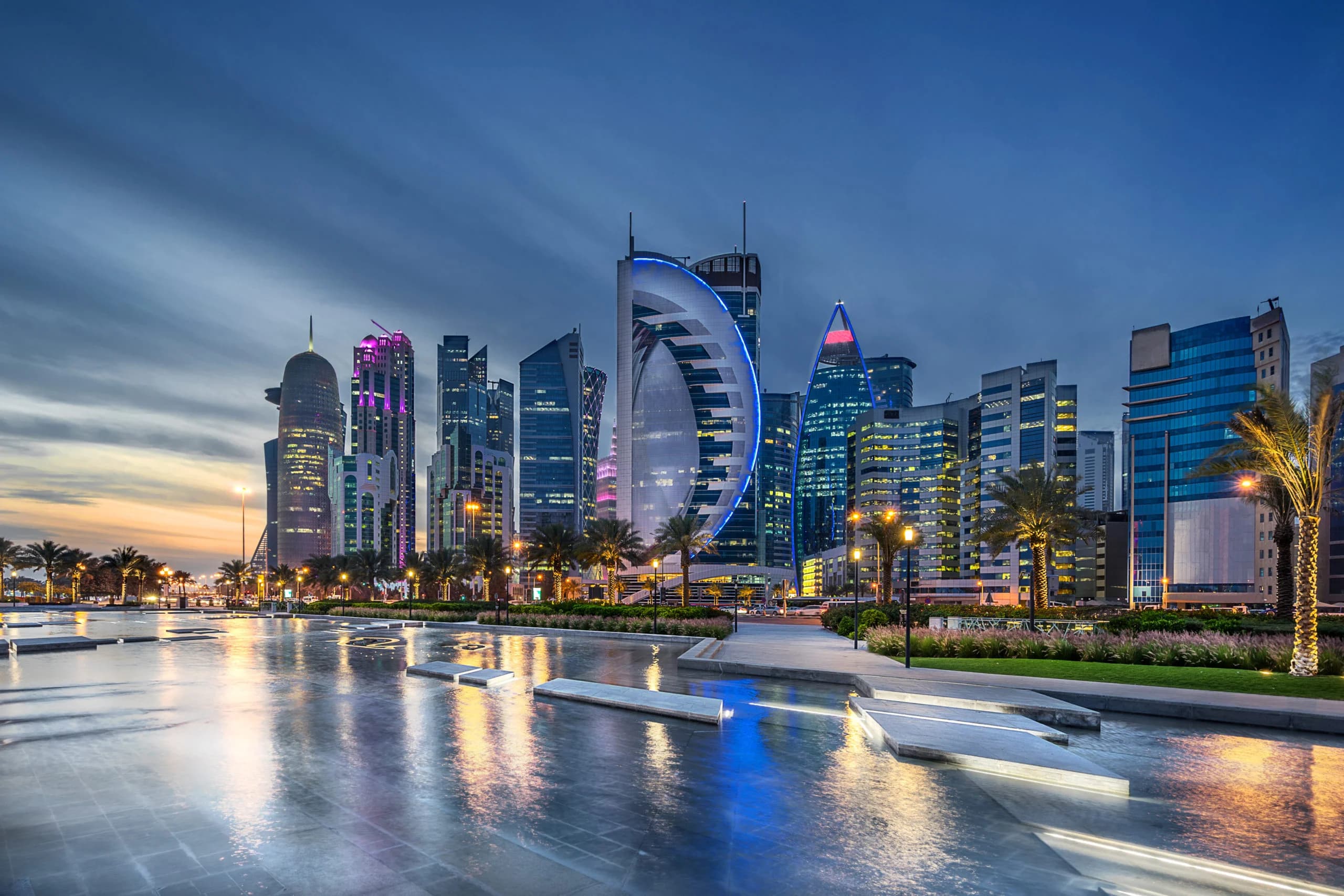
Souq Al Wakrah
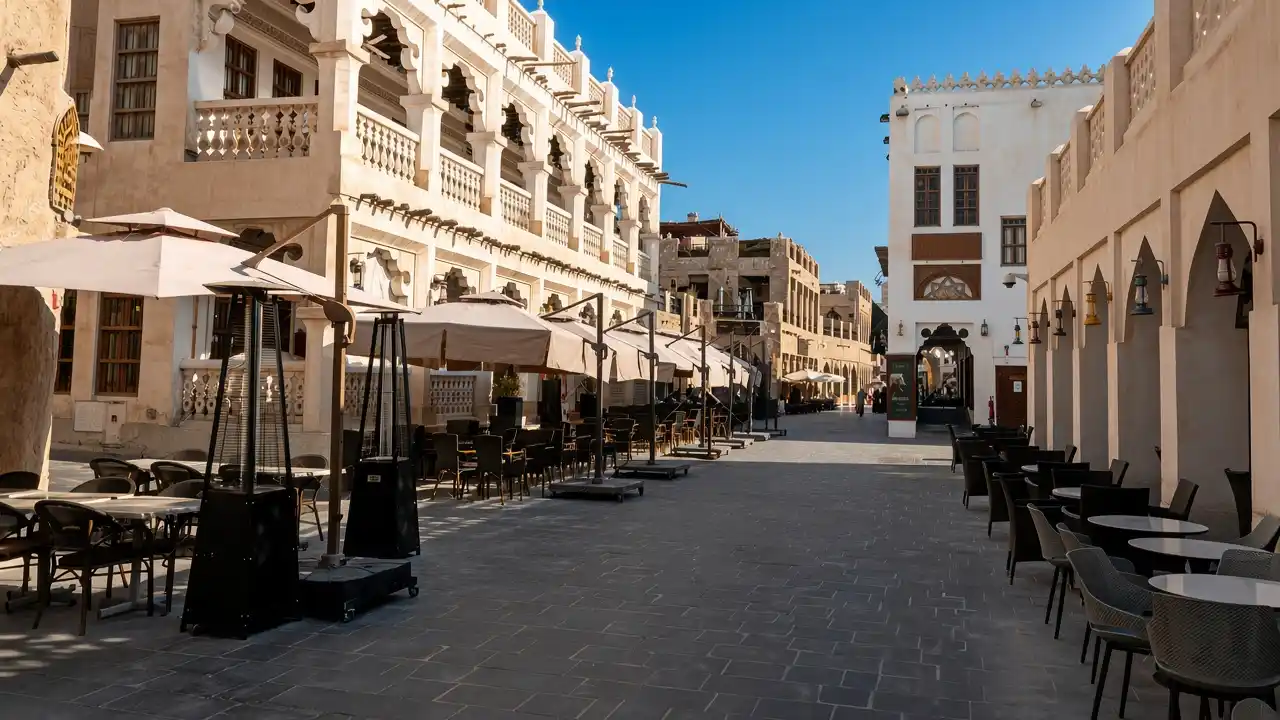
Souq Waqif has the crowds. Souq Al Wakrah has the sea.
This is Qatar's only heritage souq that sits right on the shore, a reconstructed old market on the Al Wakrah seafront about 19 kilometres south of Doha. You get the same restored alleys, spices and souvenirs you would find in the city, but with a three kilometre beach and promenade attached, fresh seafood by the water, and a calm that the busier city souq cannot match.
It is free, it is unhurried, and it is at its best in the evening. Here is what to see, when to go, and how to get there.
Why Souq Al Wakrah Is Worth the Drive
Most visitors never leave central Doha, which is exactly why this one rewards you. You get the whole souq experience without the crush.
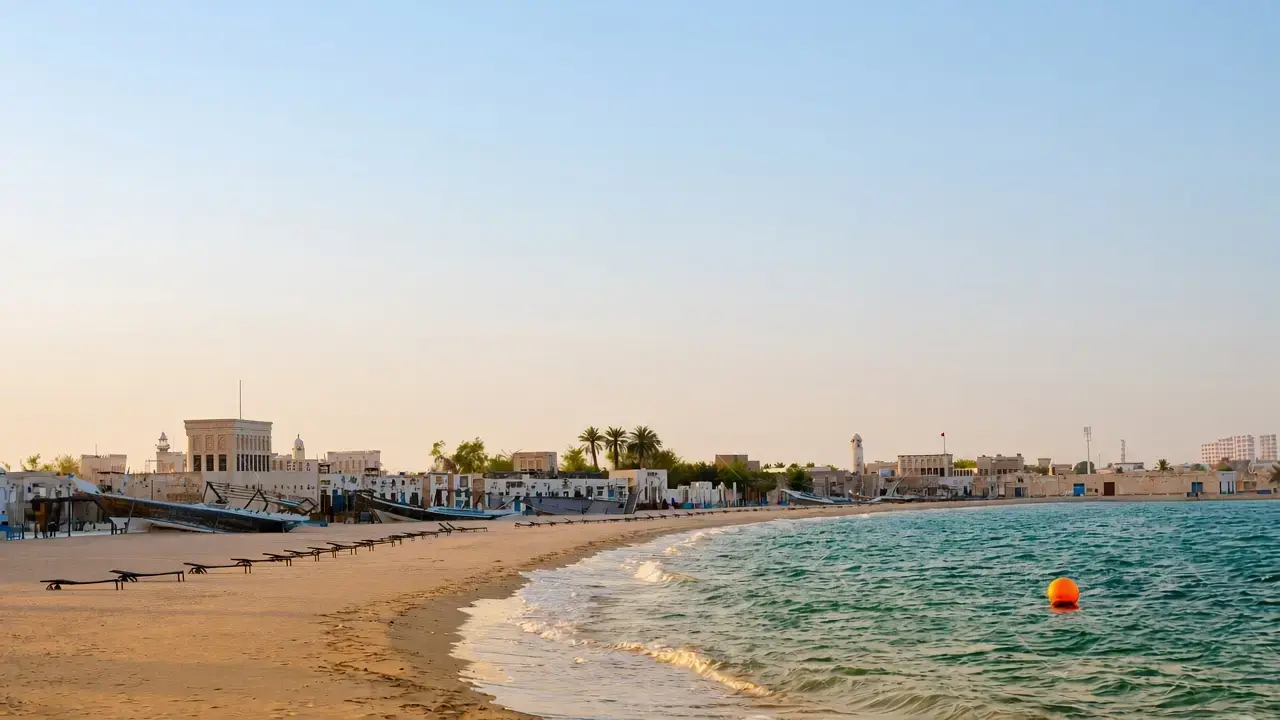
The setting is the draw. This is the only traditional market in Qatar built directly on the seashore, running about three kilometres along Al Wakrah Beach with a promenade the whole way. You can browse the lanes, eat grilled fish facing the Gulf, and step straight onto the sand, which no market in the capital lets you do.
It is real heritage, too, not a theme. Al Wakrah is Qatar's second oldest town, with its own history as a fishing and pearling community independent of Doha. The souq was rebuilt on the ruins of that old town, and its mosque, courtyards, stables and lanes recreate how the settlement once looked and worked.
For you, the payoff is space and calm. Where Souq Waqif can be shoulder to shoulder on a weekend, Souq Al Wakrah stays relaxed, which makes it a favourite with families and photographers. Add the beach and it turns a quick stop into a half day out.
Known for: Being Qatar's only heritage souq on the seashore, with a three kilometre beachfront promenade
Also called: Al Wakrah Old Souq, Souq Wakrah and Souq Al Wakra
Setting: The seafront of Al Wakrah, around 19 kilometres south of Doha
History: Built on the site of Al Wakrah's old fishing and pearling town, reopened from December 2014
Best time: Evenings, and the cooler months from November to March
Status: Free, open to all, calmer and quieter than Souq Waqif
A Market Rebuilt by the Sea
Knowing what was done here makes the wander better, so it is worth a moment.
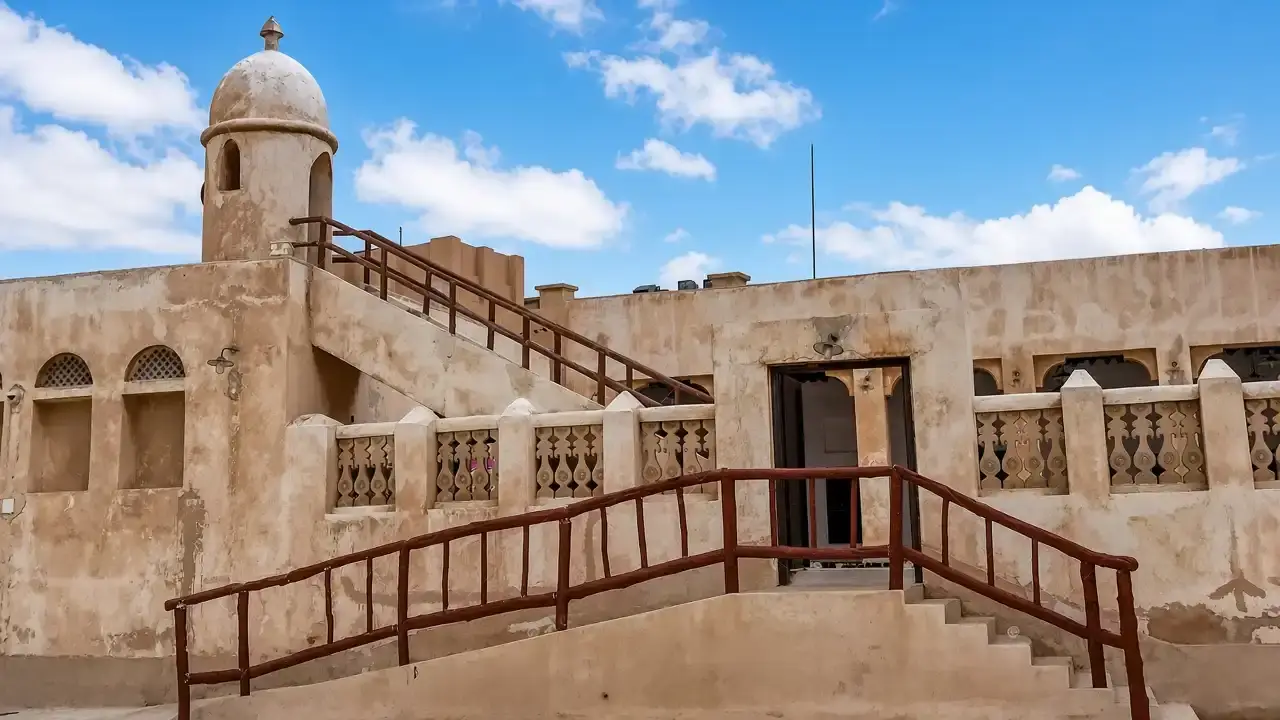
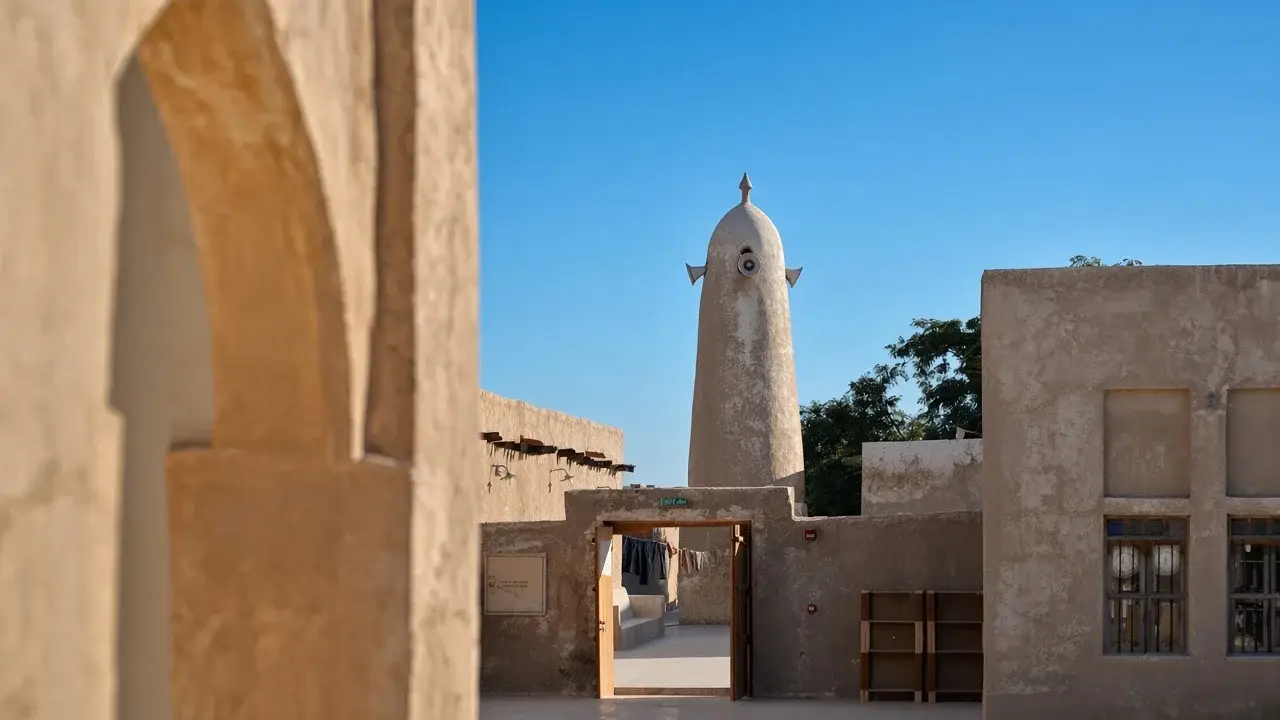
Rather than patch up crumbling originals, Al Wakrah rebuilt its old town as a heritage market using traditional forms and materials. You walk between thick mud rendered walls, exposed timber beams, small courtyards, carved wooden doors and narrow lanes, laid out to feel like the fishing village that once stood here. A central mosque and old style stables anchor it, and the whole thing runs parallel to the shore.
The scale is generous. The development covers a long stretch of coast, organised into zones of markets, shops, restaurants, stables and open squares, with the promenade threading along the seaward edge. Because it hugs the beach instead of turning inward, the lanes keep opening onto the water, and that is the detail that sets it apart from every other souq in Qatar.
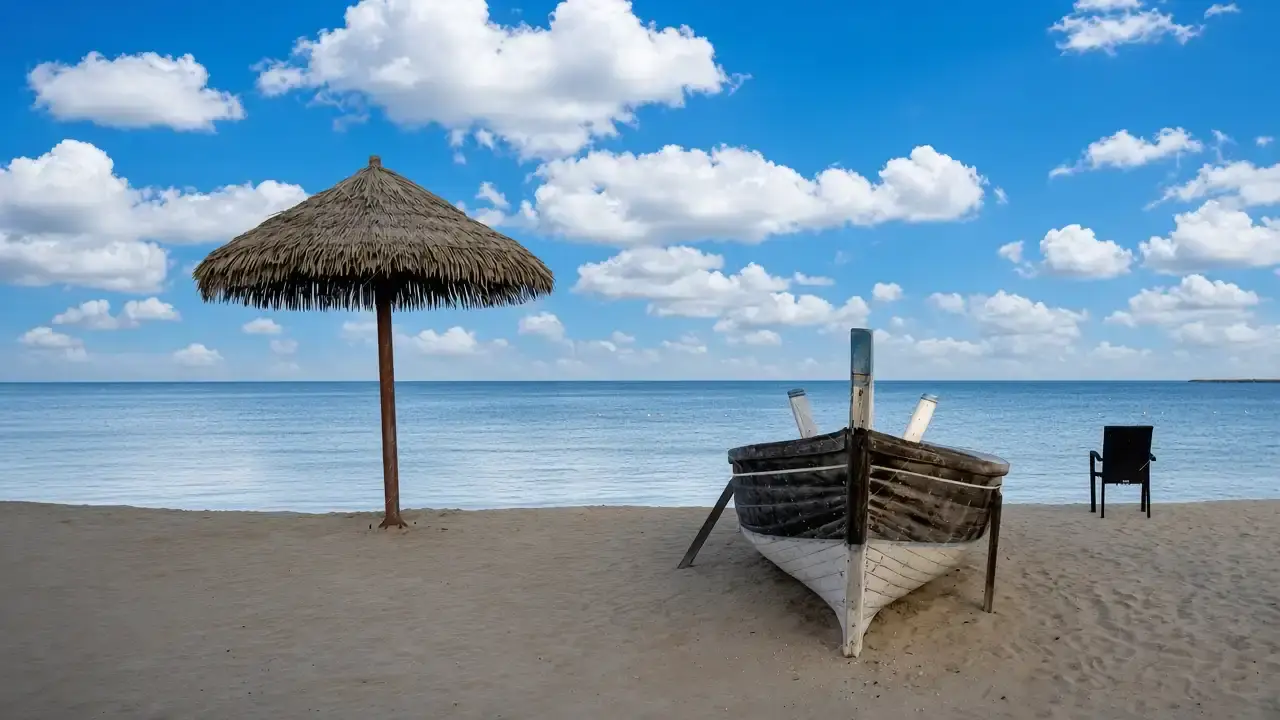
Watch for the replica dhows drawn up along the sand, a nod to the town's pearling past, and the way the low buildings and open sky keep the place feeling light even when it is busy.
What to See in the Souq
There is no set route. Wander the lanes, then drift out to the water. Make sure you find these.
Alleys That Open Onto the Beach
The heart of the experience. Narrow lanes of mud rendered walls and timber doors twist between courtyards and squares, and many of them lead straight down to the sand. They are quiet, photogenic and easy to get pleasantly lost in, which is why photographers love them.
The Fish Market and Its Morning Auction
Al Wakrah has been one of Qatar's oldest fishing centres for generations, and the souq's fish market keeps it alive with morning auctions of the day's catch. It is a working local scene, not a staged one, and an early visit shows you a side of the town most tourists miss entirely.
The Promenade, the Dhows and the Sunset
The corniche runs the length of the souq along the shore, perfect for a slow walk with the sea on one side and the market on the other. Replica dhows sit along the beach, and this is the spot to be as the sun drops over the Gulf.
Where to Shop, and What to Haggle For
The lanes hold handicrafts, oud and perfume, textiles, clothing and souvenirs, plus spice and produce sections. It is smaller and gentler than Souq Waqif's trading maze, covering the same ground without the pressure, and prices in the stalls are open to a friendly round of bargaining.
The Mosque and the Old Stables
A mosque sits at the centre of the souq as part of the recreation of the old town, and traditional style stables are dotted through the site. Both add to the heritage village feel and are worth a look as you pass.
The Souq After Dark
The souq changes in the evening, and that is when you should aim to arrive.
As the heat drops and the light softens, the lanes fill gently, the promenade wakes up, and the restaurants put tables out towards the water. It never reaches the intensity of the city souq, and that is the whole point. Families settle in, children play along the beach, and the place takes on an easy coastal calm.
Time it so you are on the promenade for sunset, when the sky colours over the Gulf and the low walls catch the last of the light. Then eat late, facing the sea, as the market lamps come on. From November to March the evenings stay pleasant well into the night.
Eat, Drink and Take Something Home
Eating by the sea is half the reason to come. The souq is lined with restaurants and cafes, many right on the waterfront, serving Qatari, Arabic, Iranian, Indian and international food, with plenty of seafood given the setting.
Fresh fish and grills are the obvious call. Order seafood or a mixed grill, take a table facing the water, and finish with karak, the sweet spiced milk tea Qatar runs on, from one of the cafes. There is a grills section near the meat and vegetable market if you want something more local and casual.
For souvenirs, the lanes carry the most portable options, oud and bukhoor, spices, perfumes, textiles and handicrafts, and the bargaining here is gentler than in the busier city souqs. It is an easy place to pick something up without the hard sell.
Visitor Essentials
Opening hours: The souq is open to walk through at any time, free. Most shops trade from late afternoon into the evening, closing through the hottest hours, while restaurants generally run all day into the night.
Admission: Free. You pay only for food, drink and shopping.
Time needed: Two to three hours to wander, eat and walk the promenade. Longer if you add the beach.
Best time: Late afternoon into the evening, especially November to March. Early morning for the fish auction.
Facilities: Restrooms, cafes and restaurants, shops, a mosque, parking and direct beach access.
Access: Mostly flat and walkable, though some lanes are uneven. The promenade is easy going.
Dress: Modest dress covering shoulders and knees, in keeping with a traditional, family filled setting.
Photography: Welcome throughout, and the alleys and waterfront are especially photogenic. Ask before photographing people.
With children: Excellent. The beach, the open space and the relaxed pace make it easy with families.
Summer note: The lanes are open air, so from June to September come after dark when it is cooler.
Getting Here
Car: The simplest option. Around 20 to 25 minutes south from central Doha and roughly 15 minutes from Hamad International Airport, with parking on site.
Taxi: Straightforward from anywhere in Doha, and the easiest way if you are not driving.
Metro: The Doha Metro Red Line serves Al Wakra, from where a short taxi covers the last stretch to the seafront souq. See our getting around Doha guide for the network.
Onward: Al Wakrah town, its beach and Al Janoub Stadium are all close by, so the trip south is easy to build out.
Make an Evening of It
Souq Al Wakrah rewards a slow evening rather than a rushed stop, so build your day towards it.
Drive down in the late afternoon, once the worst of the heat has passed. Start in the alleys and courtyards while there is still light for photographs, then move out to the promenade for sunset over the Gulf, which is the moment this souq is made for.
Settle onto a waterfront table for dinner as the lamps come on, and let the evening stay slow in a way the city souqs rarely allow. A walk along the beach and the corniche afterwards rounds it off.
If you come earlier, catch the fish market and its morning auction, and the family friendly beaches nearby make it easy to turn the visit into a full day by the sea.
Stay Nearby
You can stay right in the souq, which is a genuine draw. The Souq Al Wakra Hotel by Tivoli occupies restored heritage houses inside the market itself, a boutique five star option with the lanes and the beach on your doorstep.
Otherwise, most visitors treat Al Wakrah as a half day trip from the city, where West Bay, the Corniche and Msheireb Downtown Doha offer the fullest choice of hotels and easy connections back by car or metro.
Nearby Places to Visit
Al Wakrah Beach: Directly beside the souq, a long stretch of sand with a family friendly feel.
Al Wakrah Corniche: The seafront promenade running alongside and beyond the market.
Al Janoub Stadium: The striking Zaha Hadid designed 2022 World Cup venue, a short drive away.
Al Wakra Main Street: The town's everyday high street, close to the souq.
Ezdan Mall Al Wakra: A large modern mall nearby for air conditioned shopping.
Museum of Islamic Art: Back towards Doha on the Corniche, an easy pairing on the way in or out.
Frequently Asked Questions
Explore Tours
No tours found right now.