Souq Waqif
Discover the Souq Waqif
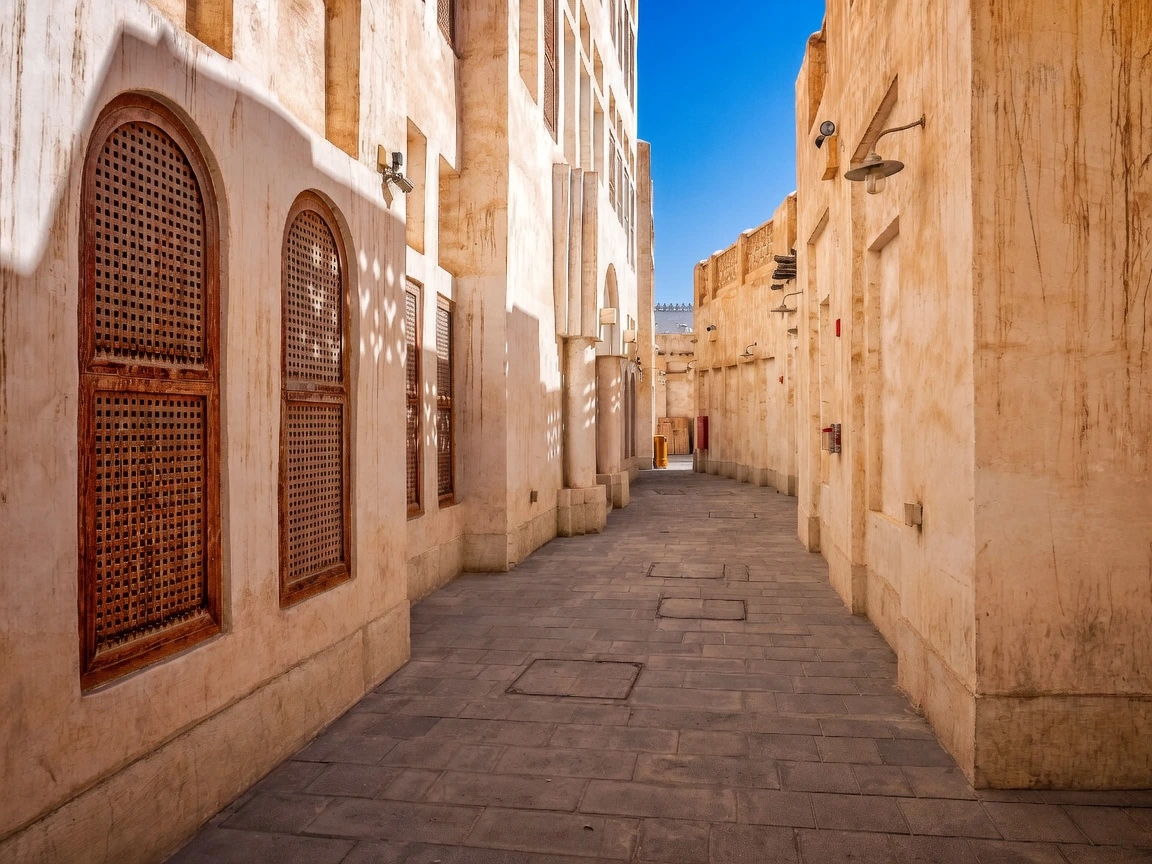
Come at dusk. The lamps go on along the alleys, the mud rendered walls turn from cream to amber, and the smell hits you before anything else: cardamom, oud, grilled meat and dust, all at once.
Souq Waqif is where Doha comes to spend its evenings, and it is the one place in the city that has been doing the same job in the same spot for well over a century. Bedouin traders once brought wool and livestock down to the edge of the wadi here and stood to sell it, which is where the name comes from. The standing market.
You come now for different reasons, but the shape of it is unchanged. Narrow lanes that twist and double back. Shopkeepers who still expect you to talk before you buy. Sacks of saffron and dried limes open to the air, tailors running up thobes in the back rooms, perfumers blending oud on the counter in front of you.
Then there are the falcons. An entire arcade of them, hooded and perfectly still on their perches, with a dedicated falcon hospital next door. Nothing else in Doha tells you as quickly that you are somewhere genuinely different.
It is free, it is open, and it is at its best between four in the afternoon and midnight. Give it a whole evening.
Why Souq Waqif Is the Heart of Doha
Every city has a place that locals go to whether tourists are there or not. In Doha it is this one.
Qatari families come for dinner. Falconers come to buy hoods and swap news. Groups of friends take rooftop tables and stay for hours over mint tea and shisha, watching the alleys below fill and empty. Visitors are welcome and well catered for, but they are not the reason the souq is busy.
That authenticity survived by a narrow margin. The market had been declining for decades and a fire tore through it in 2003. Rather than clear the site, Qatar committed to a full restoration between 2006 and 2008, pulling down the later additions that did not belong and rebuilding the older structures using traditional materials and methods, keeping the mud plaster, exposed timber beams and the original tangle of lanes.
What emerged is a working market wrapped in its own history. It is also, conveniently, the most complete Qatari experience available in a single evening: heritage architecture, falconry, spice trading, gold, live music, and around a hundred places to eat, all within a ten minute walk of each other.
Known for: Lantern lit alleys, the Falcon Souq, spice and perfume lanes and rooftop dining
Setting: Central Doha, beside Al Koot Fort and a short walk from the Corniche
History: A trading market on this site for over a century, restored between 2006 and 2008
Best time: Late afternoon into the night, especially November to March
Status: Free, open to all, and the liveliest place in Doha after dark
A Market Rebuilt, Not Replaced
The restoration is the reason this works, and it is worth knowing what was actually done.
Buildings added after the 1950s were removed as out of character. Everything older was repaired rather than rebuilt, using mud plaster over stone, gypsum detailing and exposed timber beams cut from mangrove poles, the same materials Gulf builders used before concrete arrived. Wiring, plumbing and air conditioning went in discreetly behind all of it.
The layout was left alone, which matters more than any single building. The lanes still bend and narrow the way they did when they were shaped by animals, carts and shade rather than planners. You will get lost. That is the intended experience, and the souq is small enough that being lost never lasts long.
Look up as you walk and you will see the roof beams projecting from the walls, the small windows set high for privacy and airflow, and the courtyards that open unexpectedly off the alleys. Sit in one of them with a karak and the whole place slows down.
What to See in the Souq
There is no route and no map worth following. Wander first, then find these.
The Spice and Perfume Lanes
The oldest heart of the market. Open sacks of saffron, sumac, dried limes, rose petals, frankincense and cardamom, sold by weight and negotiated over. Nearby, perfumers blend oud and attar to order, and bukhoor incense burns on counters all along the lane. Ask to smell things. Everyone expects it.
The Falcon Souq
An arcaded section given over entirely to falconry, with birds worth more than cars sitting hooded on their perches while falconers inspect them. Shops sell hoods, gloves, jesses and telemetry, much of it handmade locally. Handlers will usually let you photograph a bird on your arm, often for a small fee. The Souq Waqif Falcon Hospital next door treats the birds and is one of the more unusual things you can visit in Doha.
The Gold Souq
A separate arcade of glass fronted jewellers, lit hard and stacked with gold, pearls and traditional Qatari designs. Prices track the daily gold rate and the workmanship is charged on top, so it is worth comparing a few shops. Even if you buy nothing, the sheer density of it is a sight.
The Camel Pen and Emiri Stables
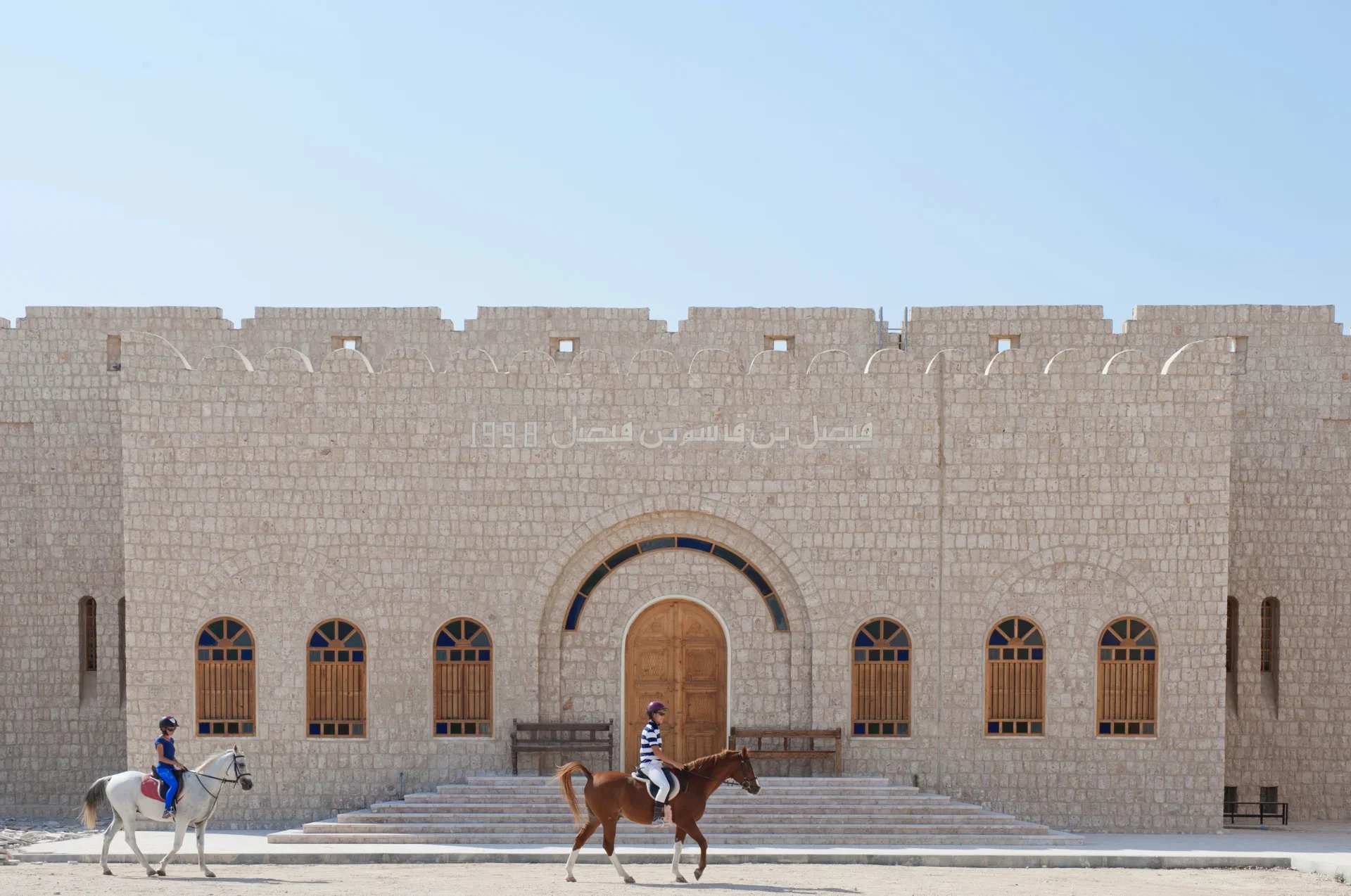
Tucked behind the falcon arcade, a pen of dromedaries and, across the way, the stables housing purebred Arabian horses. Both are open to look at, free, and are usually the highlight for children. Early evening is the best time, when the animals are active and being handled.
Al Koot Fort and the Art Centre
The whitewashed fort on the souq's edge dates to the 1920s and anchors the whole quarter. Nearby, the Souq Waqif Art Centre houses working studios and galleries showing Qatari and regional artists, free to walk into and rarely busy.
After Dark
The souq changes character completely once the sun goes down, and this is the version you should plan for.
By seven the alleys are full, the rooftop terraces are lit and every restaurant has spilled tables into the lanes. Musicians play traditional oud and percussion in the open squares on cooler evenings. Families settle in for hours. Children run between the tables. Nobody rushes.
Find a rooftop before you eat. Several of the restaurants and boutique hotels along the main lanes have upper terraces looking out over the market roofs towards the fort and the towers of West Bay beyond, and they are the best seats in central Doha for the price of a pot of tea.
The souq stays alive well past midnight through the cooler months, and Thursday and Friday evenings are the busiest and most enjoyable of the week.
Eat, Drink and Take Something Home
Eating here is half the reason to come. The lanes hold well over a hundred restaurants and cafes, from Qatari and Levantine to Iranian, Turkish, Moroccan, Indian and Yemeni, most of them casual, many with rooftop or alleyside seating.
Order machboos or a mixed grill if you want the local plate, or work the lane of small Levantine places for mezze. Finish with karak, the sweet spiced milk tea that Doha runs on, from one of the walk up counters. It costs almost nothing and tastes better standing in the alley than sitting down.
For shopping, the spice and perfume lanes give you the most portable souvenirs, and oud oil, bukhoor and saffron all travel well. Textile shops sell pashminas and fabric by the metre, and the handicraft stalls carry brassware, lamps and camel leather. Bargaining is expected in the market lanes and not in the fixed price shops, and a friendly two or three rounds is the norm.
Visitor Essentials
Opening hours: The souq itself is always open and free to walk through. Most shops trade from around 10am to noon, close for the afternoon, then reopen from about 4pm until 10pm or later. Restaurants generally run all day into the night.
Fridays: Shops close around midday prayers and reopen later in the afternoon, so keep Friday mornings for something else.
Admission: Free. You pay only for what you eat, drink or buy, and for optional extras such as falcon photographs.
Time needed: Two to three hours to wander and eat. A full evening if you settle onto a rooftop, which most people do.
Facilities: Restrooms, prayer rooms, ATMs and currency exchange throughout, plus pharmacies and convenience shops.
Access: Mostly flat and walkable, though some lanes are cobbled or uneven and can be tight when crowded. Underground parking has lift access.
Dress: Modest dress covering shoulders and knees. This is a traditional and family filled space, and it is noticed.
Photography: Welcome throughout. Ask before photographing people, particularly women and families, and expect to tip if a falconer poses a bird for you.
With children: Excellent. The camel pen, the horses and the falcons hold attention easily, and the souq stays family filled late into the evening.
Summer note: Cooling has been installed in parts of the souq, but the lanes are open air. From June to September, come after dark.
Getting Here
Metro: Gold Line to Souq Waqif station, a few minutes' walk from the main entrance. Simple and cheap.
On foot: About 10 minutes west from Msheireb Downtown, with an underpass connecting the two, and around 15 minutes south along the Corniche from the waterfront.
Taxi: Around 20 minutes from Hamad International Airport and 10 to 15 from West Bay.
Car: Three air conditioned underground car parks serve the souq. They fill on Thursday and Friday evenings, when the metro is the easier option.
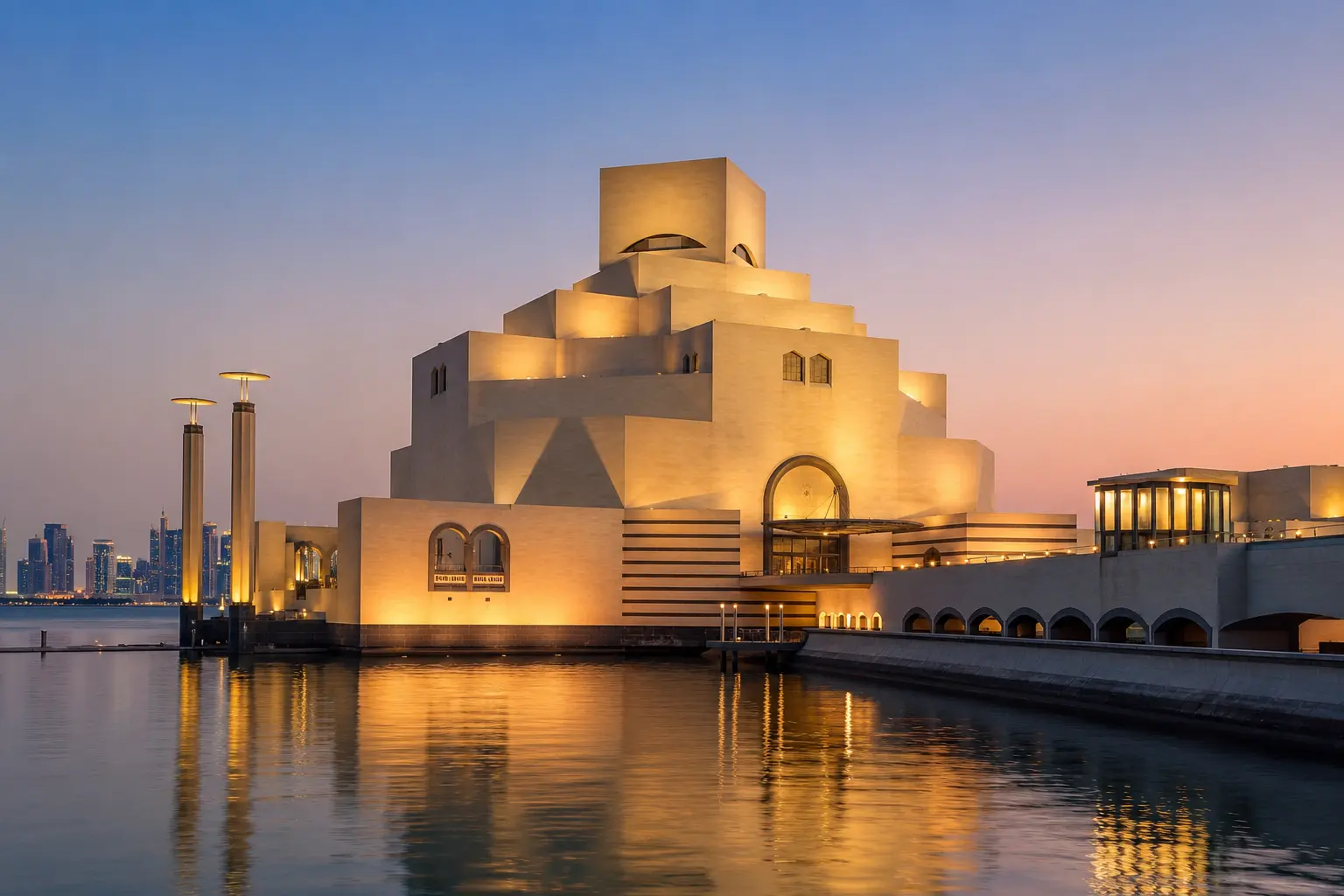
Onward: The Museum of Islamic Art is a 25 minute walk south along the Corniche, or five minutes by taxi.
Make an Evening of It
The souq is the best ending to a day in central Doha, so build towards it rather than starting here.
Spend the morning at Msheireb Museums or the National Museum of Qatar, then rest through the worst of the afternoon heat. Arrive at the souq around four, as the shutters go up and the lanes come back to life, and start with the falcons and the animals while there is still light for photographs.
Drift through the spice and perfume lanes as the lamps come on, then take a rooftop table before the dinner rush and let the evening settle around you. Eat late, walk the alleys once more when they are at their fullest, and finish with karak on your way out.
If you have a second evening, walk the Corniche first and arrive at the souq from the waterfront. The approach past the moored dhows with the skyline behind you is one of the best walks in the city.
Stay Nearby
Staying inside the souq is a genuine option here, and a good one. A cluster of boutique heritage hotels occupies restored buildings in the lanes themselves, with courtyards, rooftops and the market on your doorstep.
Msheireb Downtown next door offers modern hotels above a three line metro interchange, ten minutes on foot. Either base keeps the old city, the museums and the Corniche within walking distance, which very few parts of Doha can claim.
Nearby Places to Visit
Al Koot Fort: On the souq's edge. A restored 1920s fort, floodlit at night.
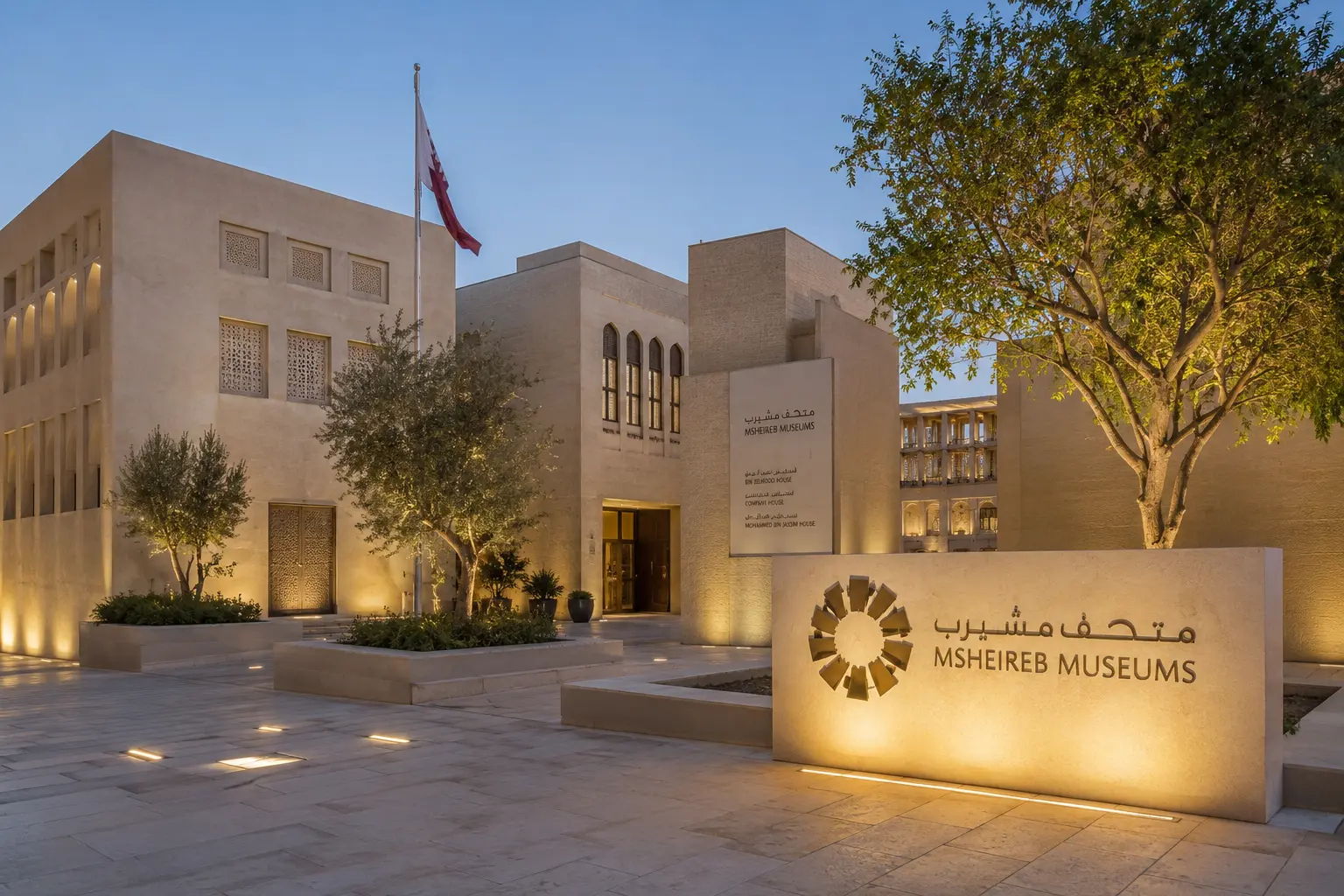
Msheireb Museums: 10 minutes west on foot. Four restored heritage houses, free to enter.
Msheireb Downtown Doha: Pedestrian streets, cafes and a free tram, connected by underpass.
Doha Corniche: 15 minutes north. The waterfront promenade and the dhow harbour.
Museum of Islamic Art: 25 minutes on foot along the Corniche, or five minutes by taxi.
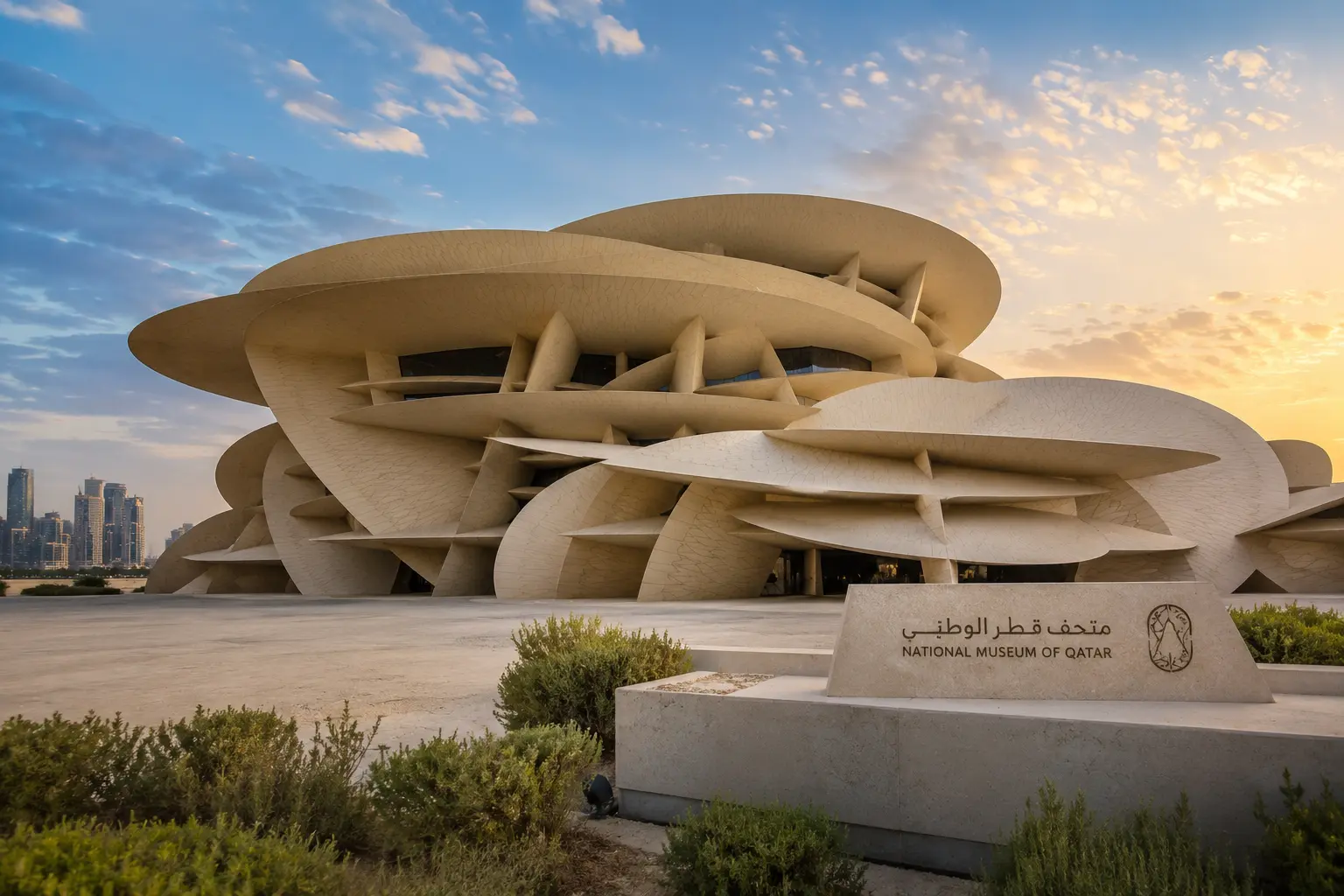
National Museum of Qatar: 20 minutes on foot or a short hop on the Gold Line.
Falcon Souq and Falcon Hospital: Inside the souq itself, and worth seeking out deliberately.
Frequently Asked Questions
Explore Tours
No tours found for Museum of Islamic Art right now.